







How to Monsoon-Proof Your Kolkata Home: The Ultimate Guide

There is a certain romance to the Kolkata monsoon, enjoying a cup of cha by the window while the city outside turns green and grey with rain. That romance fades fast, though, when the same rain starts seeping through your bedroom wall, blistering your laminate wardrobes, and tripping your MCBs at two in the morning. In our twelve years of completing interiors across New Town, Salt Lake, Ballygunge and beyond, we have seen the monsoon undo beautiful renovation work in a single season, simply because the right precautions were never taken before the rains arrived.
Why Kolkata's Monsoon Is Harder on Homes Than Most People Expect
Kolkata receives roughly 1,500 mm of rainfall between June and September, and humidity regularly sits above 85 percent for weeks at a stretch. That combination does not just wet surfaces, it forces moisture into every micro-crack in your masonry, swells every piece of untreated wood, and corrodes every exposed metal fitting. Apartments on higher floors feel it through terrace slab leakage. Ground-floor flats feel it as rising damp through the plinth. Mid-floor units feel it through bathroom-adjacent walls and plumbing shafts. There is no tier of Kolkata housing that is immune, and that is exactly why monsoon-proofing needs to be treated as a structured process rather than a last-minute patch job.
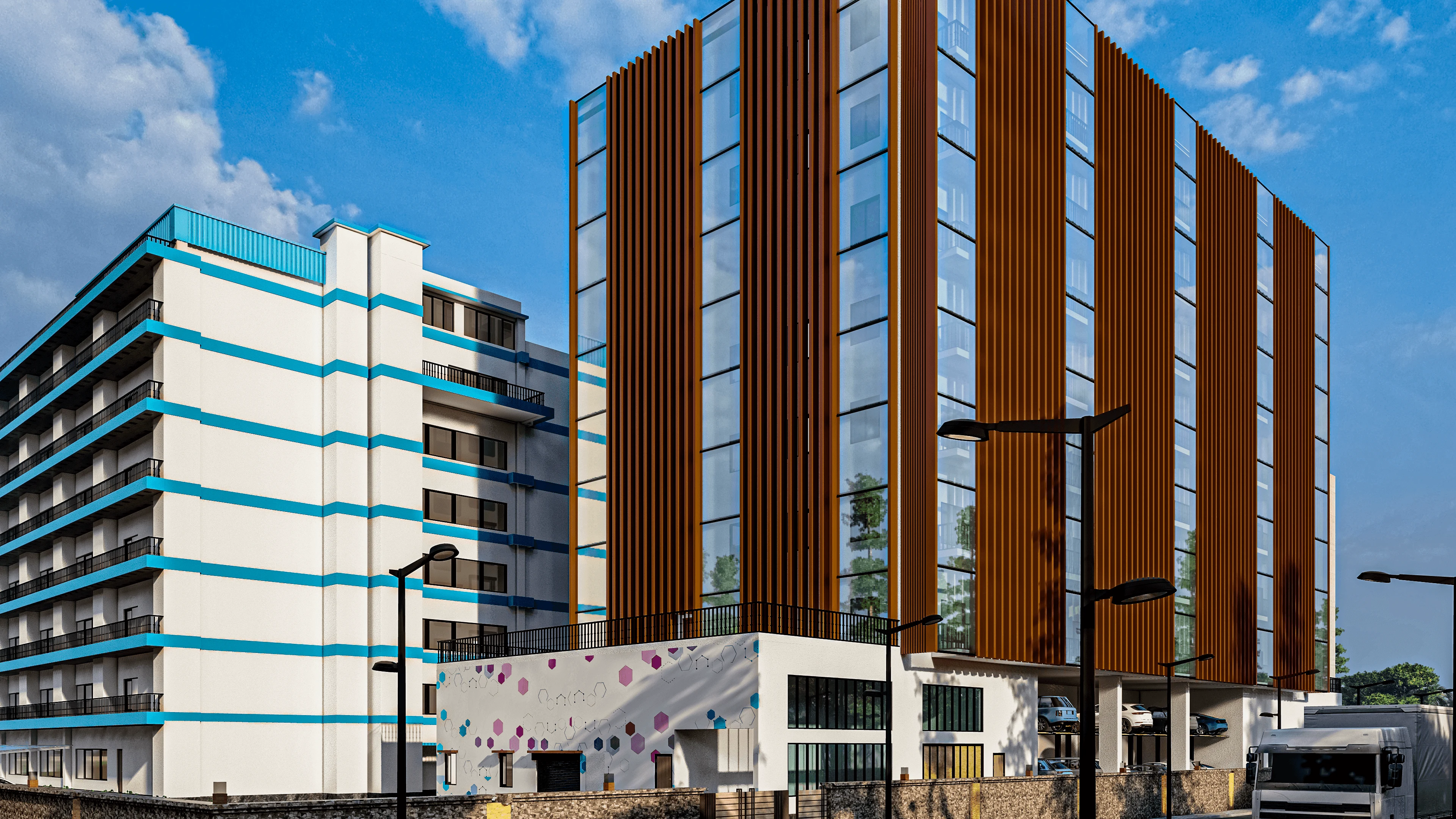
1. Seal the Envelope: Windows, Doors and Balcony Thresholds
The most common entry point for rainwater in a Kolkata flat is the gap between a window frame and the wall, or a door frame that has settled over the years. Wooden frames are especially problematic because they absorb humidity and swell, making the shutters impossible to close flush and creating small but persistent gaps that let driving rain in.
Our recommendations here are straightforward. If your windows are older than ten years and made of wood or thin aluminum sections, this is the right time to replace them with UPVC or heavy-duty system aluminum profiles fitted with EPDM rubber gaskets. A properly installed UPVC window with a rubber seal will not let a drop through even during a Nor'wester. If replacement is not in the budget right now, at minimum inspect every window and door frame for dried-out or cracked silicone sealant and reapply a fresh bead of weather-grade silicone around the entire perimeter.
One overlooked detail is the weep holes in sliding window tracks. These small slots at the base of the outer track channel are designed to drain collected rainwater outward. They get blocked by dust and fine debris within a year of installation. Clear them with a thin wire or a toothpick before the monsoon, and water will drain the way it is supposed to instead of pooling and spilling inward.
For balcony thresholds, check that the door sill sits slightly higher than the balcony floor level. If the floor has been re-tiled at some point and the sill is now level with or below the tile surface, water will walk straight in during heavy downpours.
2. Wall Waterproofing: The Real First Line of Defence
Damp patches, bubbling paint and mold streaks on interior walls are not a cosmetic problem. They are a sign that water has been moving through your masonry for some time, and the paint is just the last thing to fail. By the time you see the patch, moisture has already been inside the wall for weeks.
For independent house owners, the correct fix is to apply an elastomeric waterproof coating on the exterior facade. Elastomeric coatings are flexible and bridge fine cracks that rigid coatings cannot, which matters in an older Kolkata building where the masonry has had decades to settle and shift. Brands like Dr. Fixit Raincoat or Berger WeatherCoat are widely available and work well when applied by someone who has actually used them before. One coat is rarely enough; follow the manufacturer's recommendation for two coats with the right drying window between them.
For apartment dwellers who have no control over the exterior facade, the approach shifts to the interior. If you see damp near a plumbing shaft, a bathroom-adjacent wall, or a corner that faces the prevailing south-west wind, do not repaint over it. Scrape the affected plaster back to bare brick, apply a crystalline waterproofing slurry such as Dr. Fixit Pidicrete URP to the brick surface, allow it to cure for the recommended period, and then replaster and repaint. Skipping any of these steps means the damp will be back next monsoon.
- Monsoon Wall Prep Checklist
- Inspect all exterior-facing walls for hairline cracks
- Check silicone sealant around every window and door frame
- Look for staining near plumbing shafts and bathroom walls
- Test balcony drain flow with a bucket of water
- Confirm weep holes in window tracks are clear
- Verify terrace drainage if you are on the top floor
3. Protecting Your Woodwork and Custom Cabinetry
Humidity is the quietest and most expensive enemy of a well-fitted interior. A wardrobe that cost ₹90,000 can have delaminating shutters and rusted hinges within two monsoons if the wrong materials were used or if it was installed flush against a damp exterior wall.
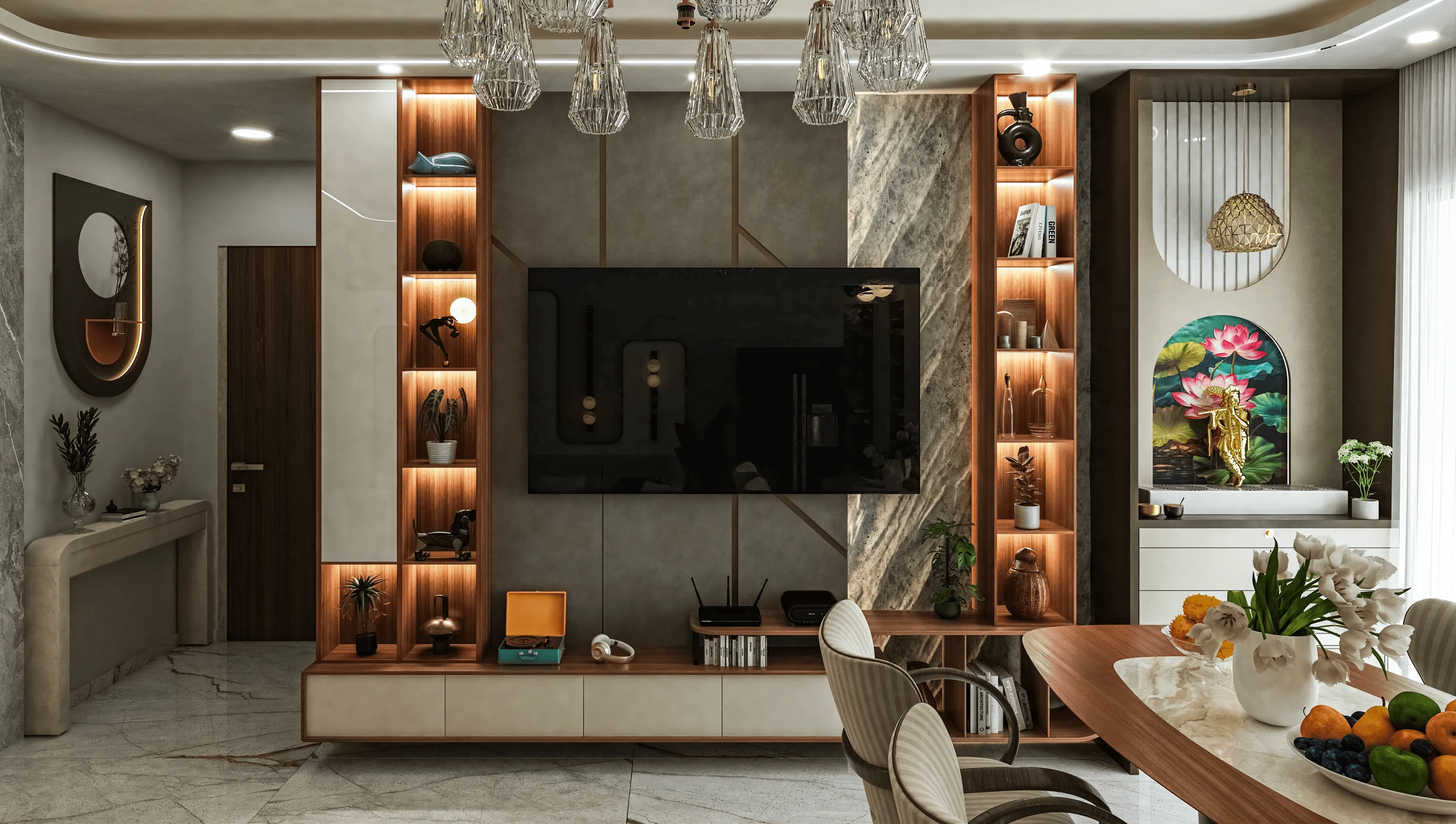
The single most important rule we follow at Studio Contour is the breathing gap. Every wardrobe, every study unit, every storage cabinet that sits against an exterior-facing wall should have a minimum 25 mm gap between the back panel and the wall surface. This air gap prevents moisture from the cold masonry surface transferring directly into the wood substrate.
On material choices, we specify BWP (Boiling Water Proof) grade plywood or HDHMR board for all cabinetry cores in our projects. These are not luxury upgrades, they are the baseline for a Kolkata climate. Commercial MR (Moisture Resistant) plywood, which is cheaper and widely used by local carpenters, is rated for moisture but not for the sustained high-humidity conditions of a Kolkata monsoon. We have seen MR ply cabinets swell and lose their edge-banding within eighteen months in poorly ventilated rooms.
Inside existing wardrobes and shoe racks, silica gel packets and activated charcoal bags are your friends. They cost very little and absorb the ambient moisture that would otherwise settle on your clothes, leather goods and stored items. Replace them at the start of each monsoon season.
4. Balcony Drainage and Flooring
Your balcony is the most exposed surface in your flat and the one most likely to cause water ingress if it is not maintained. The single highest-impact action you can take costs nothing: clear the floor drain trap completely before June.
Dead leaves, dust, dried mud and construction debris accumulate in balcony drains over the year. When a heavy spell arrives, a blocked drain causes water to pond rapidly and that pond eventually finds the lowest point, which is often the threshold into your living room. Check the drain every few weeks during the monsoon, not just at the start of the season.
If your balcony floor has a positive slope toward the interior rather than toward the drain, this is a structural problem that should have been addressed at construction but often was not. Re-laying the balcony floor tiles with the correct slope toward the drain is a one-time fix that pays back many times over.
On the electrical side, every outdoor socket on your balcony should have a spring-loaded weatherproof cover plate. If yours do not, they cost under ₹200 each and take fifteen minutes to replace. Inside the flat, if your MCBs trip repeatedly during storms without any obvious overload, this is often a sign that moisture has entered a conduit joint in your concealed wiring. Do not reset and ignore it. Have a licensed electrician trace and seal the ingress point.
5. Flooring and Grout: The Details That Matter
Natural stone floors, specifically marble and kota, are porous and absorb water readily. If your marble floors were last polished more than two years ago, the surface sealer has worn through and the stone is now taking in moisture from mopping, footfall and ambient humidity. A professional re-polish and resealing before the monsoon protects the stone and makes it far easier to keep clean when wet footprints and rainwater are coming in constantly.
Grout lines in bathroom tiles and kitchen backsplashes are a common source of slow water ingress behind tiles. Inspect all grout lines for cracks, voids or discolouration. Re-grouting with an epoxy-based grout is the right long-term fix. It is harder to work with than standard cement grout but it is completely non-porous and will not crack or discolour with moisture.
6. A Smart Renovation Approach If You Are Planning Work This Year
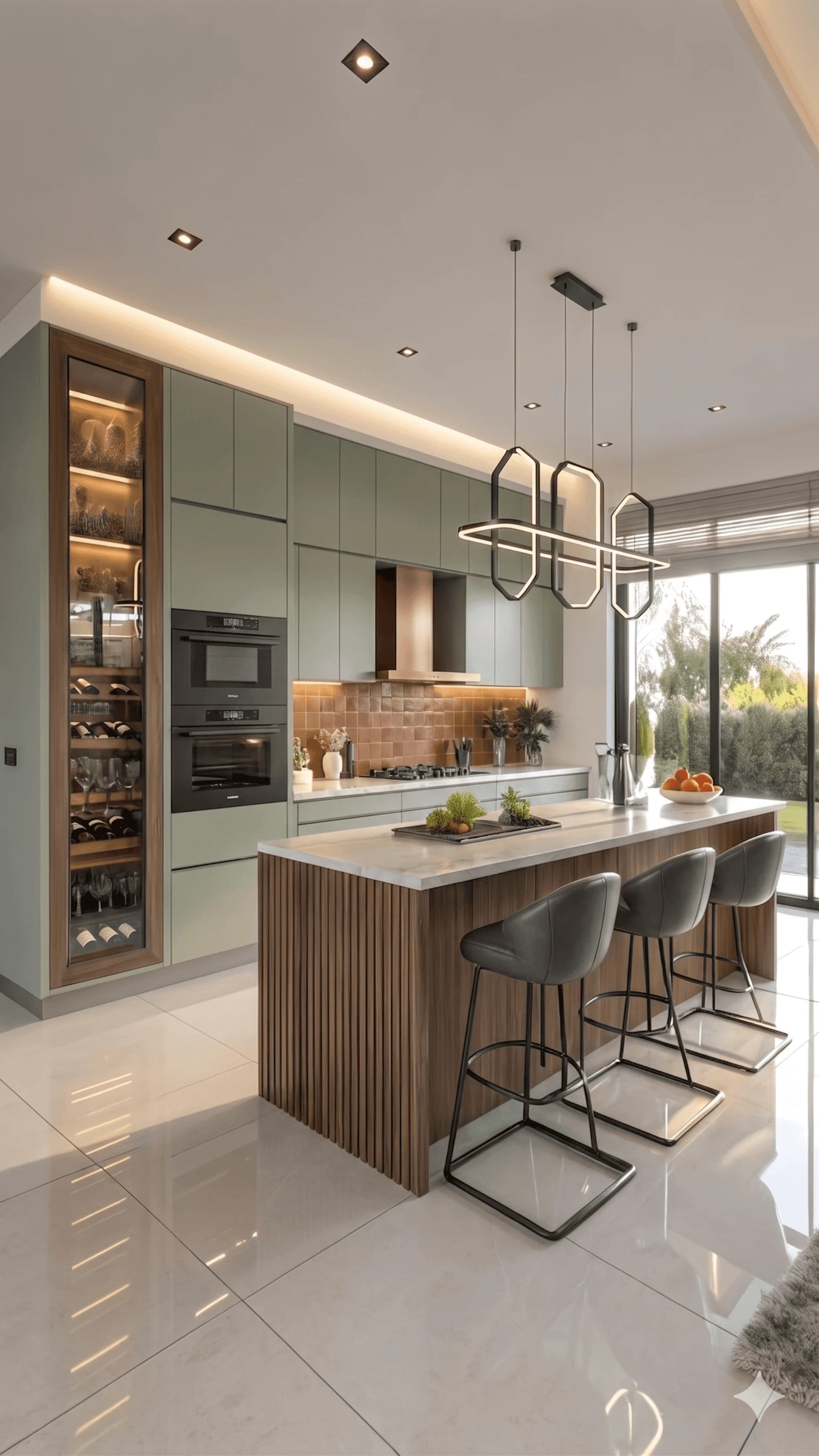
If you are already planning an interior renovation or a kitchen and wardrobe fit-out, the monsoon calendar should influence your project timeline. Execution work during the peak monsoon months of July and August is harder, slower and more expensive. Painting and waterproofing cannot be done in wet conditions. Material deliveries slow down. Adhesives and sealants take longer to cure.
The ideal window for a full interior project in Kolkata is September through February. You get dry weather for structural and waterproofing work, comfortable conditions for painters and carpenters, and a finished, properly cured interior before the next monsoon arrives.
- 01Site Survey and Brief
- 02Concept and Material Selection
- 033D Drawings and Approvals
- 04Material Procurement
- 05Execution and Fit-Out
- 06Punch List and Handover
| Renovating Before Monsoon | Renovating During Monsoon |
|---|---|
| Waterproofing cures properly | Curing is unreliable in humidity |
| Paint quality | Paint adhesion suffers in damp conditions |
| Labour availability | Labour often slows down in peak rain |
| Site cleanliness | Mud and wet conditions complicate work |
| Material delivery | Delays common in heavy rain weeks |
Talk to Us Before the Rains Arrive
If your home had damp problems last year, or if you are planning a renovation and want to make sure the materials and execution will hold up through Kolkata's climate for years to come, we would be glad to help. At Studio Contour, we have been designing and building interiors in Kolkata since 2014 and every project we take on is planned with the local climate in mind, from the plywood grade we specify to the way we detail balcony thresholds.
Drop us a message through the contact page and we can arrange a site visit or an initial conversation about your home. We are based in New Town and work across the city.