








The Best Time of Year to Start Construction in Kolkata
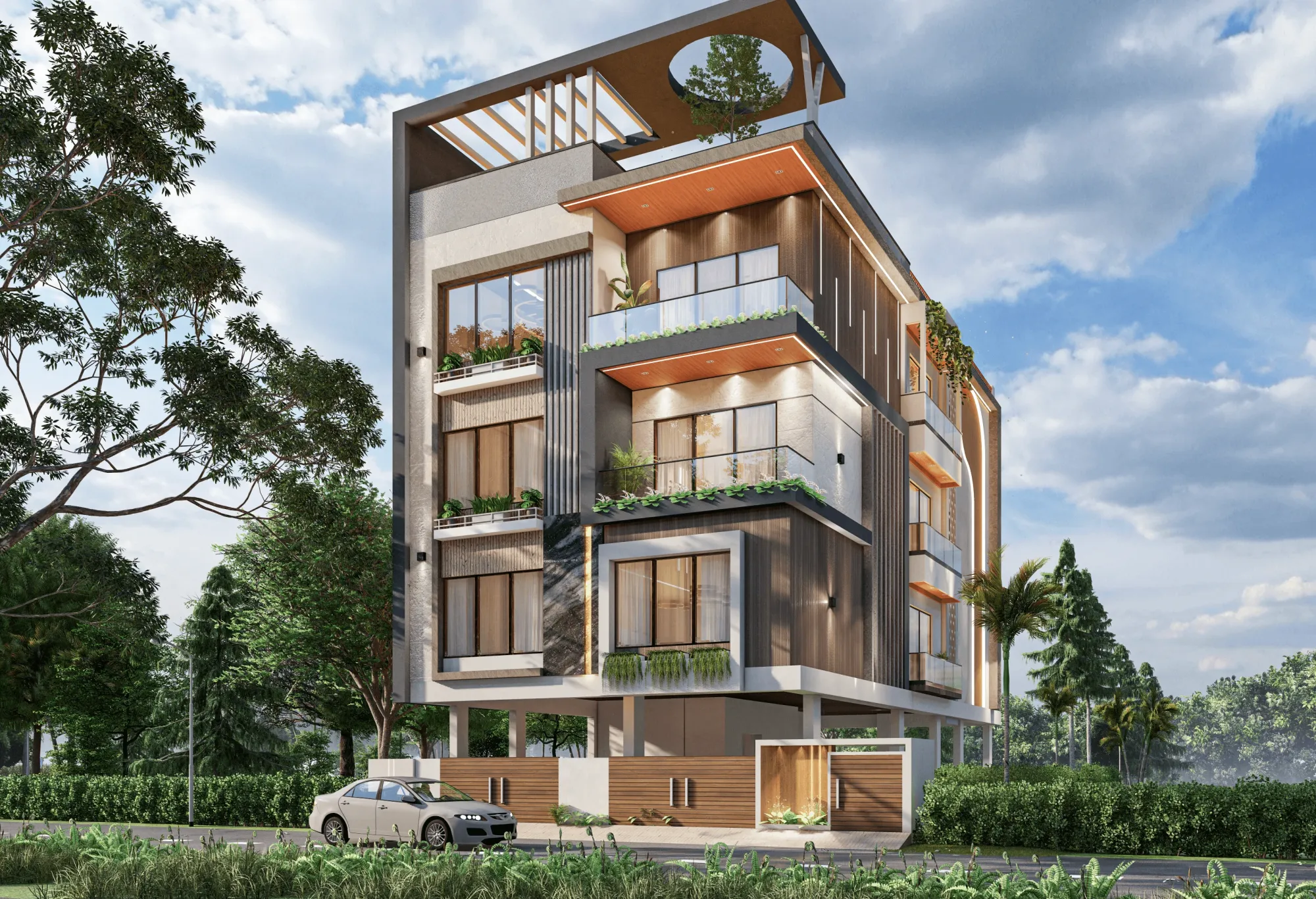
Kolkata's climate is not a backdrop to construction, it is an active participant in how a project unfolds, and ignoring that fact is one of the most reliable ways to end up with cost overruns and a muddy, stalled site. Over twelve years of working in and around New Town, we have seen clients time their starts thoughtfully and we have seen what happens when they do not.
Why the Calendar Matters on a Kolkata Building Site
Kolkata sits in a subtropical humid zone with a monsoon season that runs roughly from June through September, sometimes spilling into early October. In those months the city can receive several hundred millimetres of rain in a week, and the Rajarhat-New Town belt, being relatively flat and still developing its drainage network in parts, is especially prone to waterlogging.
Construction is not impossible during the monsoon, but specific stages become very difficult or genuinely risky. Foundation excavation in waterlogged soil, freshly poured concrete exposed to continuous rain before it sets, brickwork laid in saturated conditions, steel reinforcement sitting in standing water, all of these lead to compromised quality that is expensive and sometimes impossible to undo. The structural decisions made in the first few months of a building's life stay with it for decades, so the conditions during that phase deserve serious attention.
At the same time, Kolkata's hot and dusty pre-summer months bring their own challenges, as does the festival season when labour availability drops sharply. Understanding the full seasonal rhythm helps you plan a start date that works with the conditions rather than against them.
The Optimal Window: October to February
In our experience, the best time to begin construction in Kolkata is between October and February. The post-monsoon soil has drained and stabilised by October, temperatures are moderate, and there is little or no rainfall to interrupt work. This window gives you the best possible conditions for the most critical early stages: site clearing, boundary wall construction, excavation, pile work or foundation casting, and the beginning of the structural frame.
The cool months of November, December and January are particularly productive. Labour works longer hours without heat exhaustion, concrete curing is more consistent in moderate temperatures, and site supervision is easier when conditions are comfortable. If your project has a plinth and basement, or if you are doing pile foundations for a deeper structure, this is when you want your structural team on site.

- 01October: Post-monsoon soil stabilises, site mobilise
- 02November to January: Ideal for foundation and structural frame
- 03February to March: Structure complete, begin brickwork and masonry
- 04April to May: Push finishing work before summer peak
- 05June to September: Monsoon, roof covered, interior finishing only
- 06October onwards: External finishing, handover
The February window is also productive for brickwork, column casting, and slab work on the first and second floors. By the time March arrives and temperatures begin climbing, you want your structural frame well advanced so that the less weather-sensitive finishing stages can carry through the summer.
What to Do If You Miss the October Window
Not everyone can time their project to a perfect October start. A sanction might come through in December, or February, or even April, and you have to make decisions from wherever you are in the calendar.
If your sanction arrives in January or February, start immediately and push hard on structural work. You have a window of three to four good months before the heat peaks, and you can aim to get your roof slab cast before June.
If your sanction arrives in March or April, be realistic about what you can accomplish before the monsoon. A March start can still get excavation and foundations done and possibly the plinth beam poured if you move quickly. An April start is tight, and you need to have a clear plan for what work will continue during the rains and what will be paused.
If your sanction arrives in May or June, do not try to rush foundations into the monsoon. Use the early monsoon weeks to finalise your contractor agreements, order long-lead materials, and mobilise your site team, then begin real structural work in October. It is better to wait three months and build right than to pour foundations in a flooded pit.
The Monsoon Phase: What Can Continue
A common misconception is that all construction stops during the monsoon. In practice, a well-managed project can continue indoor and protected work through June to September. If your structural frame is up and your roof slab is in place before the rains start, interior work can proceed at a steady pace.
Work that continues well during the monsoon includes:
- Internal brick partition walls once the frame is complete and the roof is on
- Internal plaster on walls that are protected from driving rain
- Waterproofing of the roof slab, which is ideally done while some rain is still possible so you can test it
- MEP rough-in work: electrical conduit laying, plumbing stub-outs, drainage piping
- Flooring base preparation in covered areas
- Window and door frame installation once the structure is stable
Work that should be avoided or minimised during heavy rain:
- External plaster, which needs dry weather to cure and bond
- Painting, whether internal or external, as humidity compromises adhesion
- Tile grouting in open or semi-open areas
- Any excavation that cannot be immediately covered or drained

Festival Season and Labour Availability
This is a detail that surprises many first-time builders in Kolkata: labour availability drops significantly around Durga Puja, which falls in September or October and effectively shuts down most construction activity for two to three weeks. Skilled masons, carpenters, and their helpers travel home, and sites that were humming in August can be nearly empty for much of October.
Diwali and the days around it add another gap in November. Christmas and New Year affect some trades. Eid breaks vary by year. Poila Boishakh in mid-April is another period where productivity dips.
This does not mean you cannot build during these periods, it means you need to plan for it and not schedule a critical structural pour or a slab casting around a major festival window. A good contractor will flag these dates for you in advance. We do this as a matter of course when we help clients prepare their project schedules.
- Confirm your proposed start date against the festival calendar for that year
- Build a two-week buffer around Durga Puja regardless of when it falls
- Lock in your labour contractor before the pre-puja mobilisation rush
- Confirm material delivery windows before the festival season peaks
- Plan the October restart of post-monsoon work explicitly in your project schedule
Realistic Cost Sequencing Through the Seasons
Understanding when money flows out of your budget helps you manage cash and avoid cash-flow crunches that can stall a site. Early-stage structural work, which covers foundation, columns, beams and slabs, tends to be the highest per-month spend, and that work ideally happens in the October to March window. The finishing phase, which includes plaster, flooring, joinery, electrical fixtures, and sanitary ware, spreads more evenly and can proceed across seasons once the structure is protected.
These are indicative 2026 market estimates for a mid-size residential project and will vary significantly by plot size, floor count, specification level, and current material prices. Use them for sequencing logic, not for final budgeting, and get detailed quotes from your contractor before committing to a schedule.
The implication for planning is straightforward: if you want to avoid a large outflow during the monsoon months when site productivity is lower, you want structural work concentrated in the dry months and finishing work running through the following year. A project that starts in October can often reach handover or possession by the following October, depending on complexity, with the monsoon months contributing useful finishing progress rather than being lost time.
| Season | Months | Best Work to Schedule | Work to Avoid | ||||
|---|---|---|---|---|---|---|---|
| Post-monsoon | October to November | Excavation | foundation | plinth | External plaster before soil settles | ||
| Winter | December to February | Structure | brickwork | slab casting | Nothing significant | ||
| Pre-summer | March to April | Upper floors | roof slab | Rushing if not ahead of schedule | |||
| Summer | May to early June | Interior finishes | MEP rough-in | Outdoor labour-intensive tasks in midday heat | |||
| Monsoon | June to September | Interior plaster | MEP | waterproofing | Foundation work | external plaster | painting |
Getting Your NKDA Sanction Before the Season Opens
One mistake we see often is clients who have the funds and the intention to build but delay starting the sanction process, then find themselves with drawings and approvals ready in June, just as the monsoon arrives. NKDA building plan sanctions in New Town take time, and that time varies based on drawing quality, document completeness, and whether any query rounds are needed. A clean submission from a well-prepared set of drawings can move through in six to twelve weeks from complete submission, but that is the best case.
If you want to begin structural work in October, you should ideally be submitting your application no later than July, which means your drawing preparation should be complete by May or June. That in turn means starting conversations with your architect in February or March, getting your plot documents in order, and confirming the current applicable building norms with NKDA for your specific plot and zone.
The exact FAR, setback requirements, height permissions, and triggers for lift or fire NOC requirements are all specific to your plot category and may have been revised since the last project in your vicinity was sanctioned. We always confirm current norms directly with NKDA before finalising any design, and we advise clients to budget the sanction process as a lead-time item, not something that runs in parallel with the start of work.

Talking to Studio Contour About Your Project Start
We have been handling projects in New Town and across Kolkata since 2014, and we have managed the full arc of the process, from first conversation to sanction to site completion, in enough seasonal cycles to know what the calendar does to projects that plan well and what it does to projects that do not.
If you have a plot and you are trying to work out whether to start now or wait for the next good window, or if you have a sanction in hand and are not sure how to sequence work through the coming months, we would be glad to talk through the specifics with you. Every plot is a little different, and the right plan depends on your ground conditions, your floor count, your budget rhythm, and your target date. Reach out to Studio Contour and we will help you map out a sequence that makes the most of Kolkata's construction calendar.