








New Town Plot Buying Checklist Before You Build
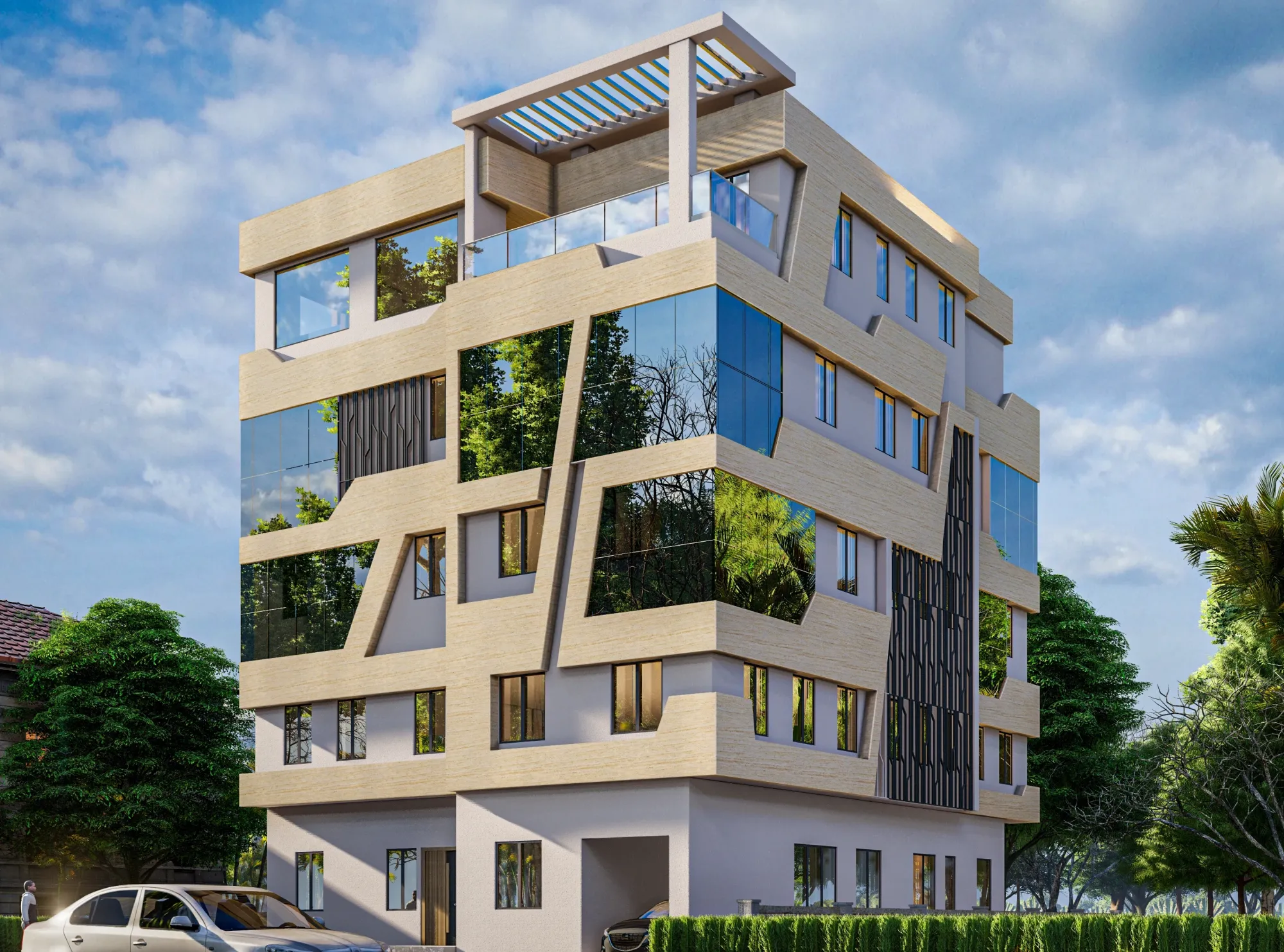
Buying a plot in New Town feels like stepping onto solid ground, and in many ways it is, but the paperwork underneath that ground matters just as much as the soil test. We have helped over a hundred clients move from a raw HIDCO plot to a finished home or office, and the ones who came to us before signing the sale deed always had smoother projects than the ones who came after. This checklist is what we walk every prospective buyer through.
Verify the Ownership Chain First
New Town plots have a distinct history. Most originated as HIDCO allotments, either directly to individual buyers or to housing societies and cooperative developers. Before anything else, trace the chain from the original allotment letter down to the person selling to you today.
Ask for:
- The original HIDCO allotment letter or sale deed
- Every subsequent conveyance or assignment in the chain
- Proof that transfer fees were paid at each stage, because HIDCO charges a transfer fee and unpaid dues can block your mutation later
- A no-dues certificate or clearance from HIDCO confirming the plot is free of outstanding charges
If the plot has changed hands more than once, each link in that chain needs to be watertight. Your lawyer should examine originals, not photocopies, and cross-check the plot number, mouza, and survey number against HIDCO's records. Discrepancies in plot dimensions between old documents and the physical site are more common than you would expect, so a fresh survey by a licensed surveyor is money well spent.
- Obtain original HIDCO allotment letter
- Verify all intermediate transfer deeds
- Confirm transfer fees paid at every stage
- Get a no-dues certificate from HIDCO
- Commission a fresh boundary survey by a licensed surveyor
- Cross-check plot number and dimensions in all documents
Understand Mutation and Land Records
Mutation is the process of recording the change of ownership in the local land records, and in New Town it runs through both the Bidhannagar Municipal Corporation records and HIDCO's own registers depending on the plot category. An unmutated plot is not illegal to sell, but it creates complications when you go to the NKDA for building sanction because the application needs to be in the name of the recorded owner.
Before you buy, ask whether the plot is mutated in the seller's name. If it is not, factor the time and cost of mutation into your timeline. Post-purchase mutation typically takes a few months and involves submitting the sale deed, identity documents, and paying the municipal mutation fee. Confirm the current fee structure directly with Bidhannagar Municipal Corporation because rates are revised periodically.
Know Your Plot Category and Zone
NKDA's planning area divides New Town into residential, commercial, mixed-use, and institutional zones, and your plot category determines what you can build. A residential plot has different Floor Area Ratio allowances and setback requirements than a commercial one, and mixing categories without checking first is a costly mistake.
Ask the seller for the HIDCO plot schedule, which states the category. Then visit the NKDA planning office or check the NKDA website to understand:
- The permissible land use for your category
- The FAR (Floor Area Ratio) applicable to your plot size, which tells you how much total built area you are allowed
- The ground coverage percentage, which limits how much of the plot you can cover on the ground floor
- The mandatory setbacks on each side, which determine where your building can sit within the plot
- Whether your plot falls in a zone with any height restrictions or special design controls
We cannot publish fixed numbers here because NKDA revises these from time to time and the rules differ by category and plot size. What we can say is that these figures are the foundation of your entire design brief. When we start a project, the first thing we do is pull the current NKDA development control rules for that specific plot and work out the maximum buildable envelope before we sketch a single line.
Check Infrastructure and Services
New Town has better infrastructure than most of Kolkata, but not every plot has equal access to services. Before signing, physically walk the plot and confirm:
- Road frontage width, because NKDA sanction rules often tie permissible height or coverage to the road width in front of your plot
- Whether a water connection is available from HIDCO's supply network and what the connection capacity is
- Sewerage connection availability and whether the plot is connected to the main sewerage line or requires a septic arrangement
- Underground utilities such as electrical cables, water mains, or drainage that might run through the plot and restrict where you can build or excavate
- Distance to the nearest electrical substation and load availability, which matters if you plan a large building or commercial use
These are not bureaucratic formalities. We have had clients discover mid-design that the road frontage classified their plot in a lower height category, or that a sewer main ran diagonally across the plot where they wanted to place the staircase. Early checks save redesign fees.
Budget for the Full Cost of Ownership
Many buyers focus on the plot price and underestimate what it costs to get from bare land to a sanctioned design. Here is a realistic picture of the additional costs you will encounter in 2026, as estimates:
| Item | Indicative Cost (2026 estimate) | Notes |
|---|---|---|
| Legal fees and due diligence | ₹60,000 to ₹1,20,000,Depends on complexity of ownership chain | |
| Registration and stamp duty | 4% to 7% of sale value | Confirm current rate with registration office |
| HIDCO transfer fee (if applicable) | Varies by plot value | Check with HIDCO for current schedule |
| Surveyor fee | ₹15,000 to ₹30,000,For boundary survey and demarcation | |
| Mutation fee | ₹5,000 to ₹15,000,At Bidhannagar Municipal Corporation | |
| Soil test | ₹20,000 to ₹40,000,Mandatory for structural design | |
| Architectural and sanction fees | ₹1.5L to ₹4L+,Depends on plot size and project scope | |
| NKDA sanction fees | Based on built area | Confirm current schedule with NKDA |
These are market-level estimates and not statutory figures. The actual stamp duty and registration rates, NKDA sanction fees, and HIDCO transfer charges are set by the respective authorities and should be confirmed at the time of purchase.

The NKDA Sanction Process in Broad Strokes
Once you own the plot and mutation is complete, building sanction from NKDA is the next gate. We handle this for our clients as a standard part of the project, but it helps to know what the process looks like:
- 01Plot purchase and registration
- 02Mutation in buyer's name
- 03Soil test and topographic survey
- 04Architectural design based on NKDA development control rules
- 05Submission of sanction drawings with documents
- 06NKDA scrutiny and site visit
- 07Sanction letter issued
- 08Construction begins
The documents typically required at sanction stage include the sale deed, mutation certificate, no-dues certificate from HIDCO, ownership affidavit, architectural drawings prepared and signed by a registered architect, structural drawings signed by a structural engineer, and the payment receipt for sanction fees. The scrutiny process involves NKDA checking that the proposed design complies with setbacks, FAR, ground coverage, height, and other controls. If the drawings deviate, NKDA will raise a query and you will need to revise and resubmit, so getting the design right the first time saves weeks.
For projects above a certain height or built area, NKDA may require additional clearances such as fire NOC from the West Bengal Fire and Emergency Services, lift inspection clearance, or environmental clearance depending on the scale. Confirm the applicable thresholds with NKDA or your architect at the time of your project, as these requirements are tied to specific parameters that change.
Red Flags That Should Make You Pause
Not every plot on the market is trouble-free. Here are the situations where we advise clients to go slowly or walk away:
- The seller cannot produce the original HIDCO allotment letter
- The plot has multiple claimants or is caught in a family dispute
- There is a note on the HIDCO records showing a mortgage or encumbrance that has not been discharged
- The plot dimensions on the ground do not match the documents, which could indicate encroachment on neighboring plots or public land
- The plot is in a notified green belt, water body buffer zone, or any restricted category where building is not permitted
- The seller is in a hurry and discourages you from conducting due diligence
These are not rare situations. New Town's rapid growth has attracted speculative sellers and there are plots with complicated histories. A few days spent on proper checks is cheap compared to a legal dispute after registration.
After the Checklist, Design Comes Next
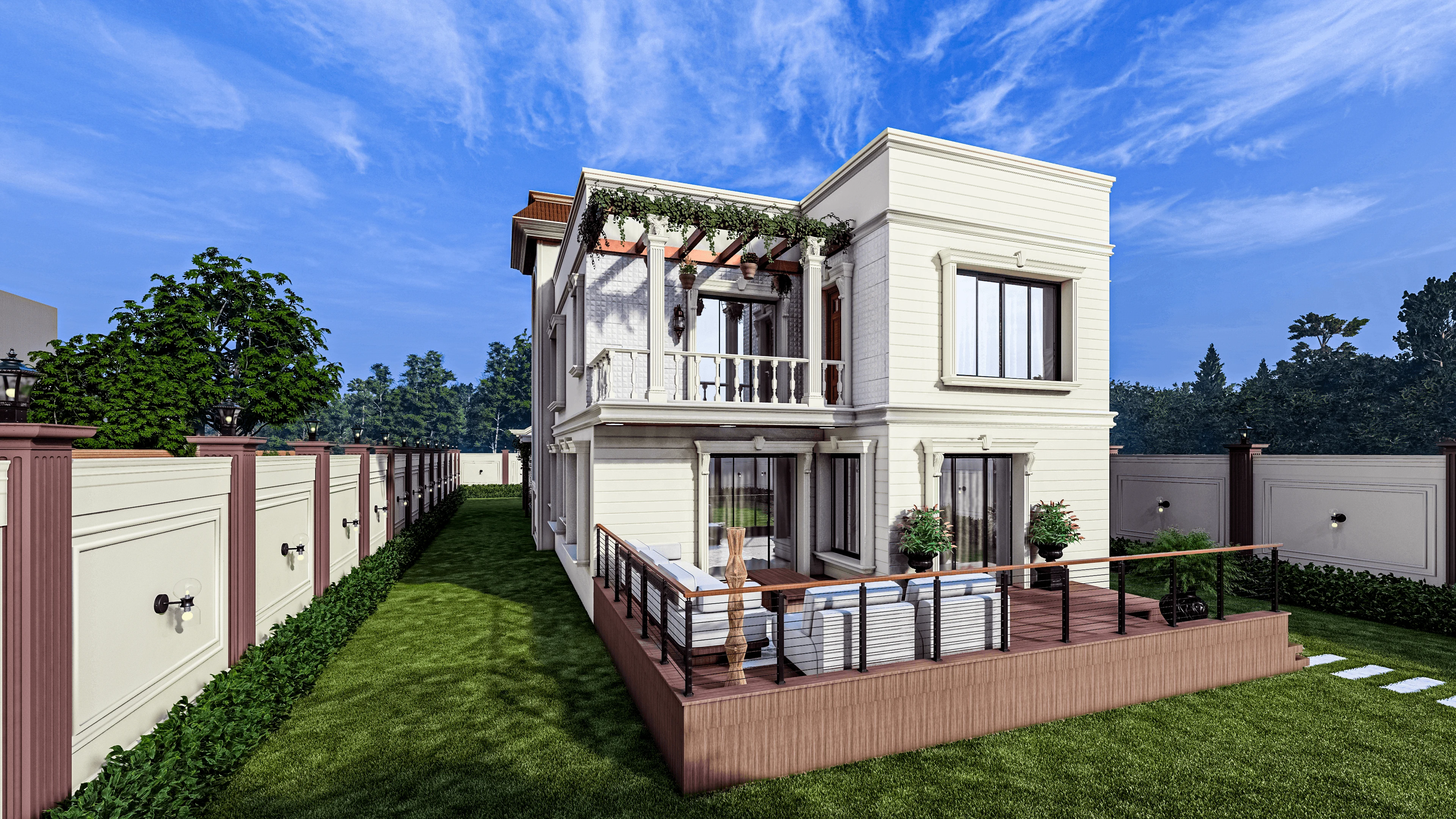
Completing due diligence on a New Town plot is the beginning, not the end. Once you know what the rules allow and the land is clean, the design process can be genuinely exciting. We work with clients from the pre-purchase stage through NKDA sanction and construction supervision, so there is continuity across the whole project rather than a handoff between consultants.
If you have a plot in mind or have already purchased one in New Town and want to understand what you can build on it, get in touch with us at Studio Contour. We will look at the NKDA rules for your specific plot, walk you through the realistic options, and help you start the project on solid footing.