

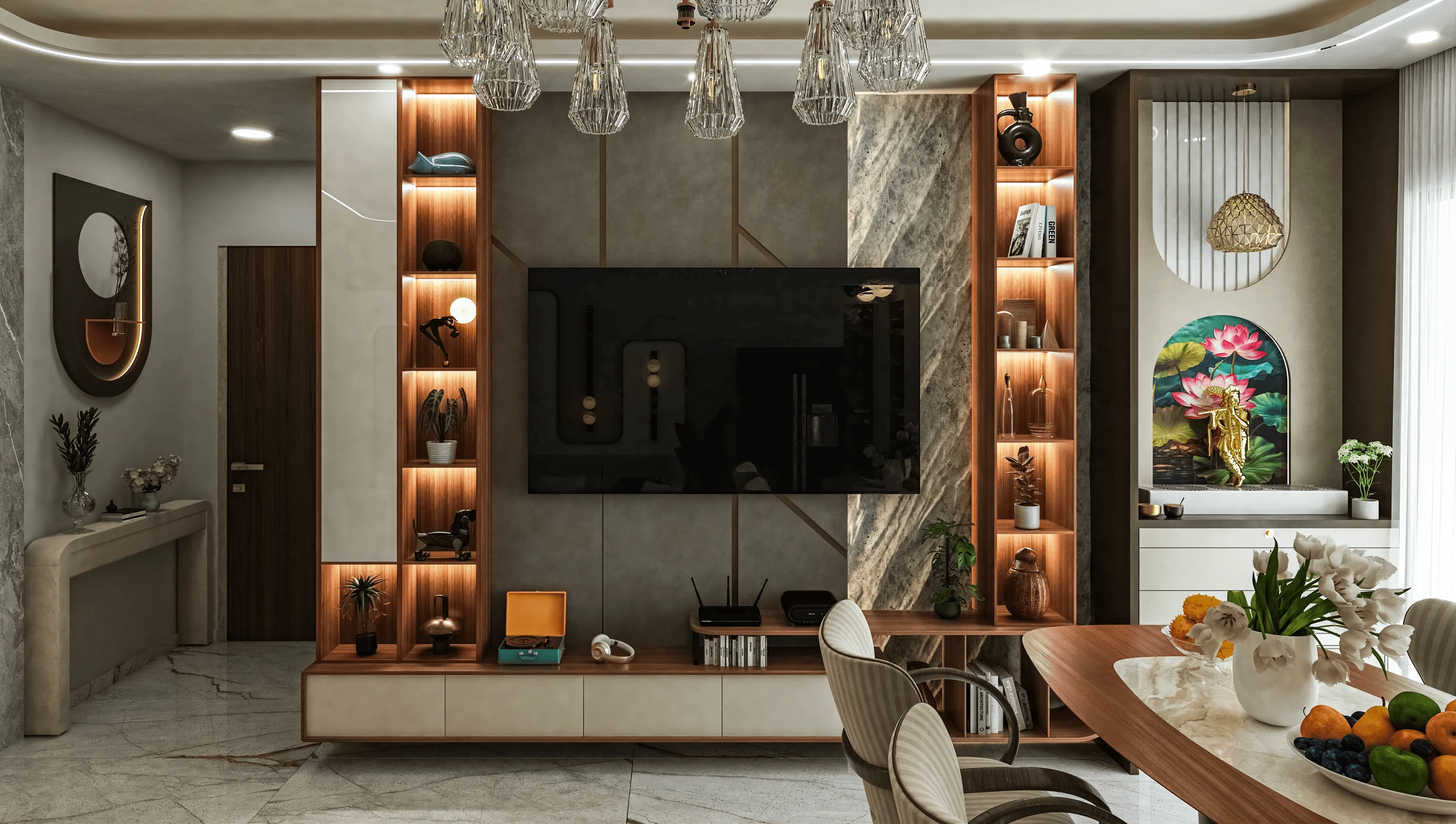






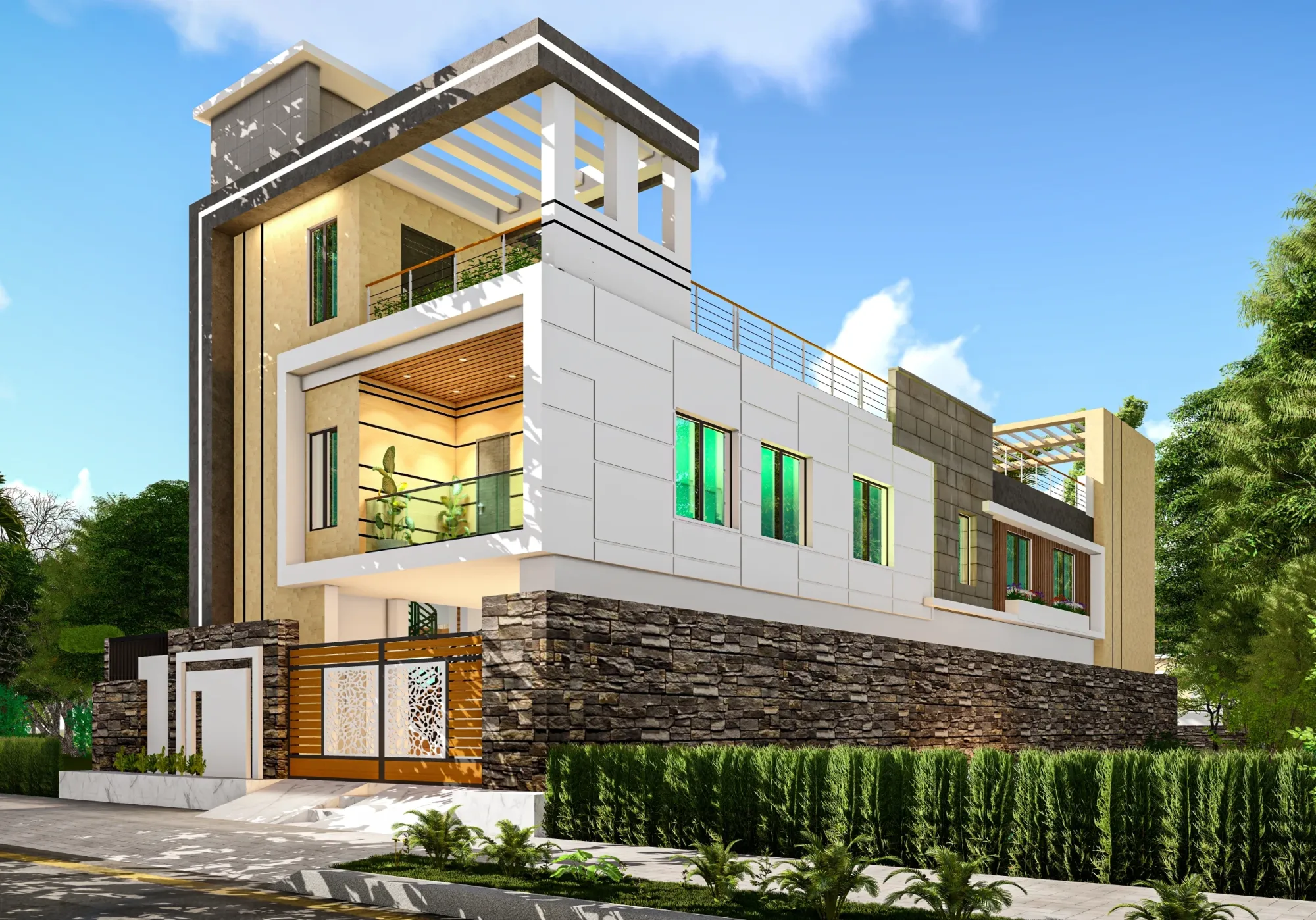
Choosing between New Town and the broader Rajarhat belt is one of the most common conversations we have with clients who own a plot in this part of Kolkata. Both areas have grown enormously over the last decade, but they are governed differently, priced differently, and they suit different kinds of projects, so the right answer depends on what you actually want to build and how you want to live.
How the Two Areas Are Actually Defined
People often use "New Town" and "Rajarhat" interchangeably, but the distinction matters a great deal when you are filing for sanction. New Town, or Kolkata New Town, is the area planned and developed by HIDCO and governed by the New Town Kolkata Development Authority, commonly known as NKDA. It has its own building rules, its own sanction process, and its own ward structure. The roads are wider, the utilities are more systematically laid out, and the planning framework expects denser, taller construction in designated zones.
The broader Rajarhat belt, which includes areas such as Rajarhat Gopalpur, Mahishbathan, and the municipalities that sit just outside the NKDA boundary, falls under different local bodies. Depending on the exact location your plot is registered in, you may be approaching the Bidhannagar Municipal Corporation, a gram panchayat, or another authority entirely. Sanction rules, plot coverage limits, setback requirements, and fees vary between these bodies, so verifying your plot's jurisdiction is the very first step before anything else.
Infrastructure: What New Town's Planning Gets Right
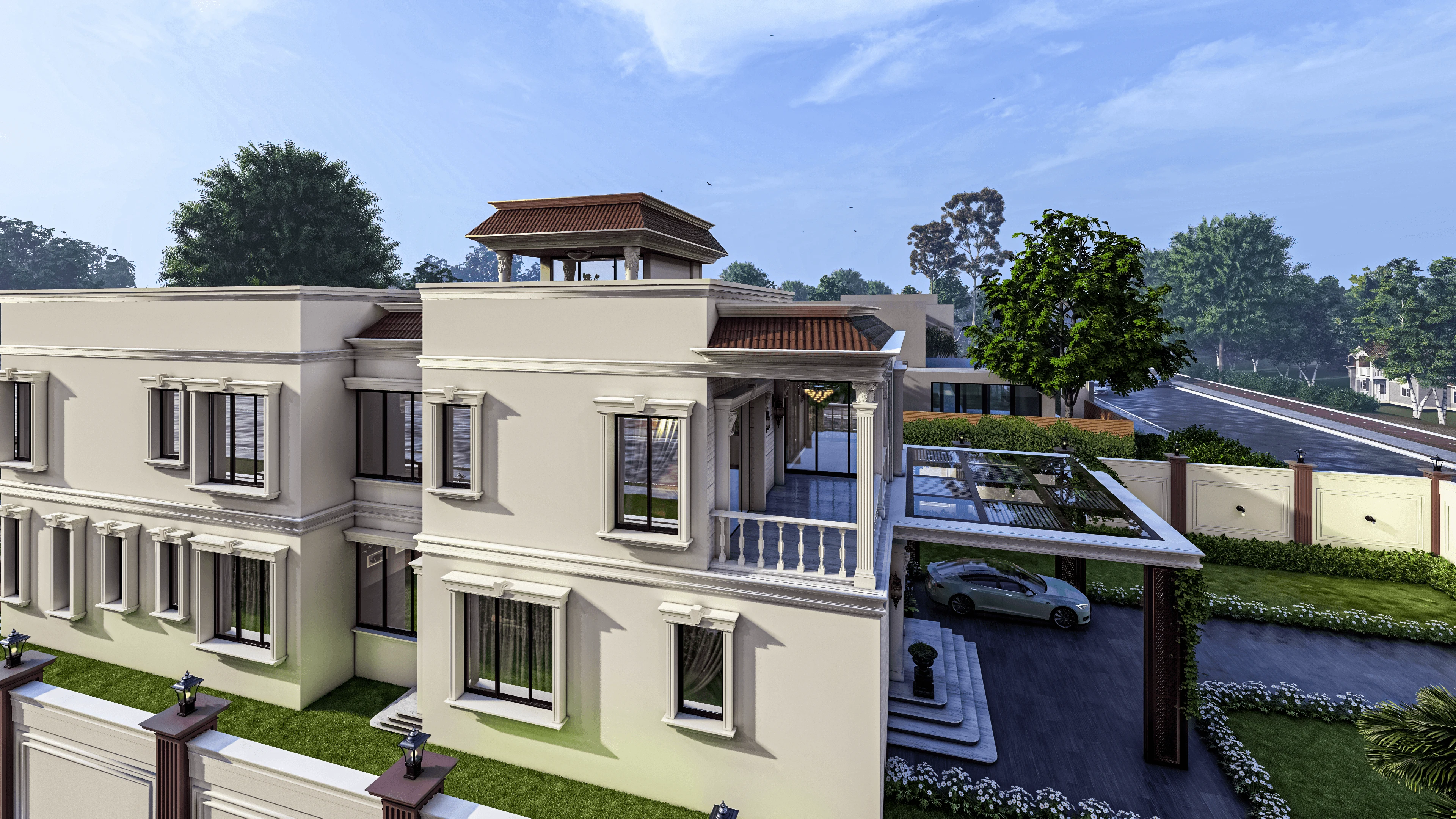
New Town was designed from the ground up as a smart city, and that shows in the day-to-day experience of living and building there. Roads are wider and laid out on a grid, so service vehicles, concrete mixer trucks, and material deliveries can actually reach a site without the improvised routing that older Kolkata neighbourhoods demand. Underground utility ducts mean fewer surprise encroachments when you are digging foundations.
Water supply, sewerage connections, and solid waste collection are more consistently available inside the NKDA boundary than in many parts of the surrounding Rajarhat belt. For multi-storey projects, this matters because you are not designing a system to compensate for unreliable municipal services. Street lighting, green buffer zones, and proximity to the business district along New Town Action Area I, II, and III add to the liveability argument.
The surrounding Rajarhat belt has improved significantly over the years, particularly along the major arterials, but infrastructure can still be patchy in the interior roads. Sewerage connections may not be available and you may need a septic tank. Approach roads can be narrow enough to complicate construction logistics. These are solvable problems, but they add cost and time to a project.
- 01Verify jurisdiction and get land use certificate
- 02Commission preliminary design and pre-sanction consultation
- 03Submit sanction documents to NKDA or relevant body
- 04Receive sanction and begin construction
- 05Apply for completion certificate before occupation
Building Rules: How NKDA and Rajarhat Differ
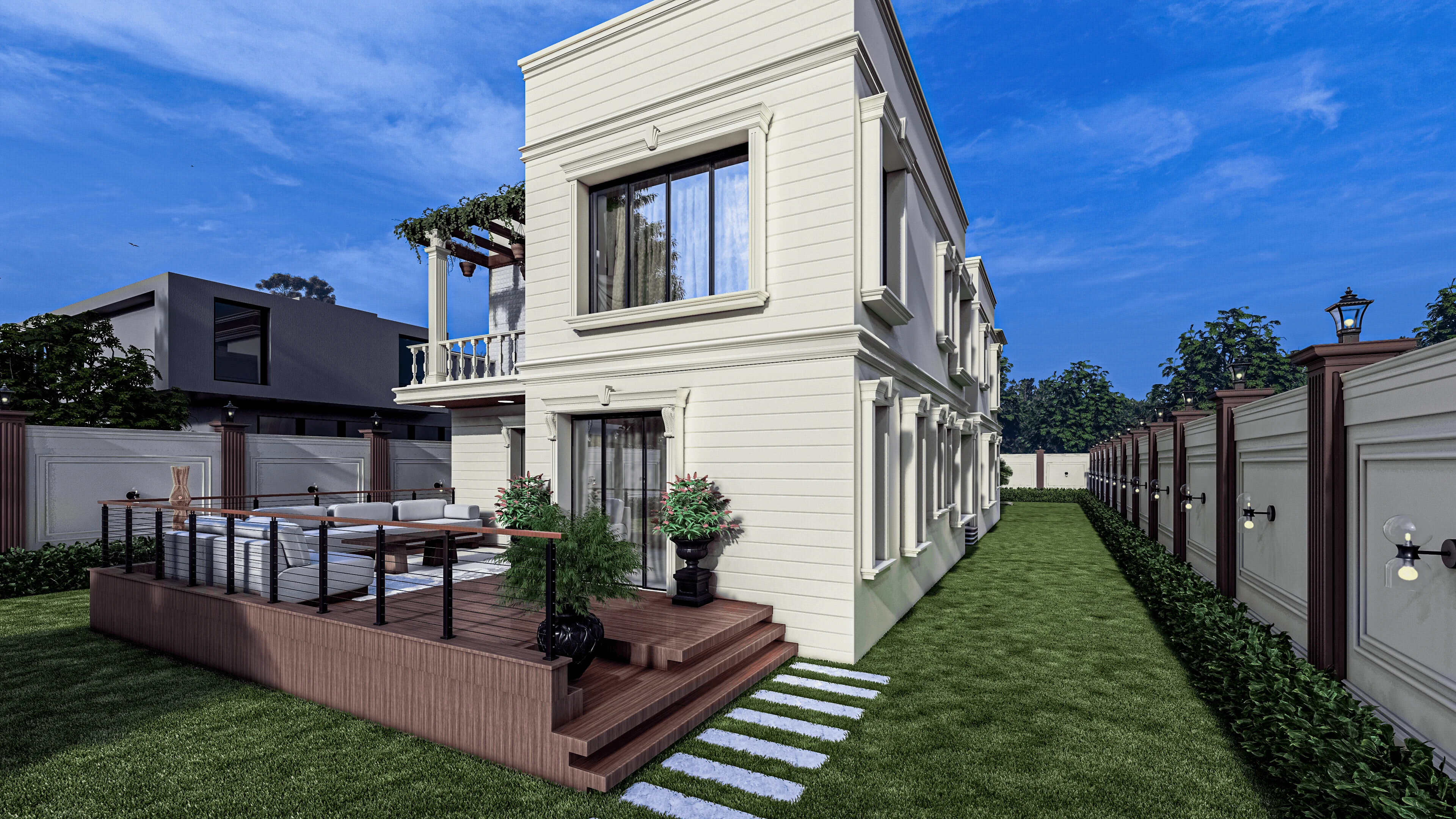
NKDA operates under its own building regulations, which set out how much of your plot you can cover, how high you can build, what setbacks you need to maintain on each side, and when provisions such as lifts and rainwater harvesting become mandatory. The rules also vary based on the use zone your plot falls in, whether it is residential, commercial, mixed use, or a special planning area.
We handle NKDA sanctions regularly and the process is well-structured, but it does require careful documentation. Floor area ratios, ground coverage limits, and minimum setbacks are specific to your plot's zone and size, and NKDA publishes these through its official channels. We do not quote exact numbers here because the authority updates its regulations periodically and the figures that applied to a project we did in 2019 are not necessarily the same ones that apply to your plot in 2026. Always verify the current applicable rules directly with NKDA for your specific plot before finalising any design.
For plots in the wider Rajarhat belt, the applicable rules depend on the governing body. Bidhannagar Municipal Corporation areas have their own building rules, panchayat-governed plots may follow state building rules with local amendments, and in some cases you may need to engage with the District Land and Land Reforms Office for certain approvals. The sanction pathway is different from NKDA and in some cases less consolidated, which means more coordination across offices.
| Feature | New Town (NKDA) | Outer Rajarhat Belt |
|---|---|---|
| Planning authority: NKDA | Planning authority: BMC or panchayat | Sanction: consolidated NKDA process |
| Sanction: varies by local body | Infrastructure: generally reliable | Infrastructure: varies by street |
| Resale liquidity: high demand, strong pricing | Resale liquidity: good but more variable | Plot cost: higher per katha |
Budget: What Building Actually Costs in 2026
This is where the outer Rajarhat belt makes a strong case. Plot prices inside the NKDA core, particularly in Action Area I and II, are substantially higher per katha than comparable sizes in Rajarhat Gopalpur or Mahishbathan. If your budget is fixed and you want maximum built area, the same amount of money will typically buy you a larger plot and a larger house in the outer belt.
Construction costs per square foot are broadly similar across both areas because materials, labour, and supervision are drawn from the same regional market. As a 2026 estimate, a well-finished reinforced concrete structure with decent internal finishes runs somewhere in the range of ₹2,200 to ₹3,500 per square foot depending on the specification level, structural complexity, and finishing quality. A basic structure without premium finishes can come in below that, while a high-specification residence with imported finishes, a basement, or complex architecture will exceed it. These are market-rate estimates and not guarantees.
Resale Value and Long-Term Appreciation
New Town has consistently attracted end-users, IT professionals, and investors because of its planned character and proximity to the business district, the airport, and the convention centre. Properties here, particularly bungalows and well-designed independent houses, hold value and are reasonably liquid when it comes to resale. The HIDCO-backed planning framework gives buyers confidence that the neighbourhood character is unlikely to deteriorate the way unplanned areas sometimes do.
The outer Rajarhat belt has also appreciated well, particularly along the better-serviced roads, and there is genuine demand from buyers who want more space for less money. The risk is that appreciation can be uneven across the belt. A plot on a properly paved road with good connectivity can appreciate strongly, while one on an interior kuccha road may be slower to find buyers or fetch lower valuations.
If your primary goal is building a family home with no near-term plans to sell, the outer belt's larger plots and lower entry cost are genuinely attractive. If you are building with an eye on resale within ten to fifteen years, the premium of a New Town address tends to recover and reward over that horizon.
- Confirm plot jurisdiction before signing any agreement
- Obtain land use certificate and check zone designation
- Verify current FAR and setback rules with the relevant authority
- Get a soil test done before structural design begins
- Check road width in front of plot as it affects setbacks and sanction
- Confirm availability of municipal water and sewerage connection
- Budget a contingency of 10 to 15 percent over your initial cost estimate
Which One Is Right for You
After more than a decade of working on projects across both New Town and the surrounding Rajarhat belt, our honest read is this: New Town suits buyers who want a premium address, reliable infrastructure, and a consolidated sanction process, and who are comfortable paying the plot premium for those advantages. The outer Rajarhat belt suits buyers who want more land for the same budget, are comfortable with a slightly more fragmented sanction process depending on the local body, and are willing to invest a bit more in compensating for variable infrastructure.
There is no universally correct answer. We have designed bungalows and duplexes in both areas, and great architecture is possible in either. What changes is the planning strategy, the sanction pathway, and the infrastructure assumptions that go into the design. A house designed for an NKDA plot needs to be thought about differently from one designed for a panchayat-governed plot in terms of setbacks, built-up area calculations, and even structural system choices in some cases.
Talking to Studio Contour Before You Decide
We have found that the most useful conversation happens before a client commits to a plot, not after. Once you have bought the land, the decisions narrow. Before you buy, there is still room to weigh the trade-offs clearly, and sometimes a quick consultation changes the calculation entirely.
If you are trying to decide between a New Town plot and something in the outer Rajarhat belt, or if you already own a plot in either area and want to understand what you can actually build on it, we are happy to talk. We have handled NKDA sanctions, Bidhannagar Municipal Corporation approvals, and panchayat-area projects, so we understand the differences from the inside. Reach out to Studio Contour and let us look at your plot together before you take the next step.