




Which Plants Bring Good Vastu Energy Indoors — And Which Ones to Avoid

Almost every client walkthrough we do in a finished New Town or Salt Lake home eventually turns to greenery, usually because someone in the family has a specific plant they have heard is either lucky or unlucky and wants a straight answer about whether to keep it, move it, or get rid of it entirely, and this is a question we get asked with enough frequency and enough specificity about individual species that it deserves its own dedicated answer rather than a passing mention buried inside a broader design conversation. This piece is deliberately narrow in scope, meaning we are not covering balcony garden layout, planter material, or irrigation, all of which are their own design questions with their own separate answers, and instead we are walking through named plant species one at a time, tulsi, money plant, bamboo, and the handful of others that come up constantly, along with exactly which direction Vastu asks each of them to occupy and which plants we find ourselves telling clients to reconsider, sometimes to their visible disappointment given how popular a few of these are in Kolkata homes right now.
Tulsi: The Plant With the Most Specific Rules of Any on This List
Holy basil, tulsi, is treated with more directional precision in Vastu than almost any other plant, and it is also the one clients are most surprised to learn has rules at all beyond simply being auspicious, since most people know tulsi is considered a good plant to keep but far fewer know it has a correct placement. Vastu asks for tulsi to be positioned in the north, north-east, or east of the home, the north-east specifically being treated as its ideal spot given that corner's association with clarity and positive energy, and traditionally tulsi is grown outdoors or on an open balcony rather than in a fully enclosed interior room, since the plant is understood to need direct morning light and open air to genuinely thrive, both a practical horticultural fact and a Vastu preference working in the same direction here. What we tell clients who want tulsi in a New Town flat where the north-east corner happens to be an enclosed room rather than an open balcony is that a north or east-facing balcony or a window ledge that gets strong morning sun is an entirely acceptable substitute, and the plant should ideally sit slightly elevated, on a stand or pedestal rather than directly on the floor, which is both the traditional Vastu guidance and simply better for the plant's own root health in a humid Kolkata climate where ground-level moisture is a real concern for potted greenery.
Money Plant: Popular, Powerful, and Frequently Misplaced
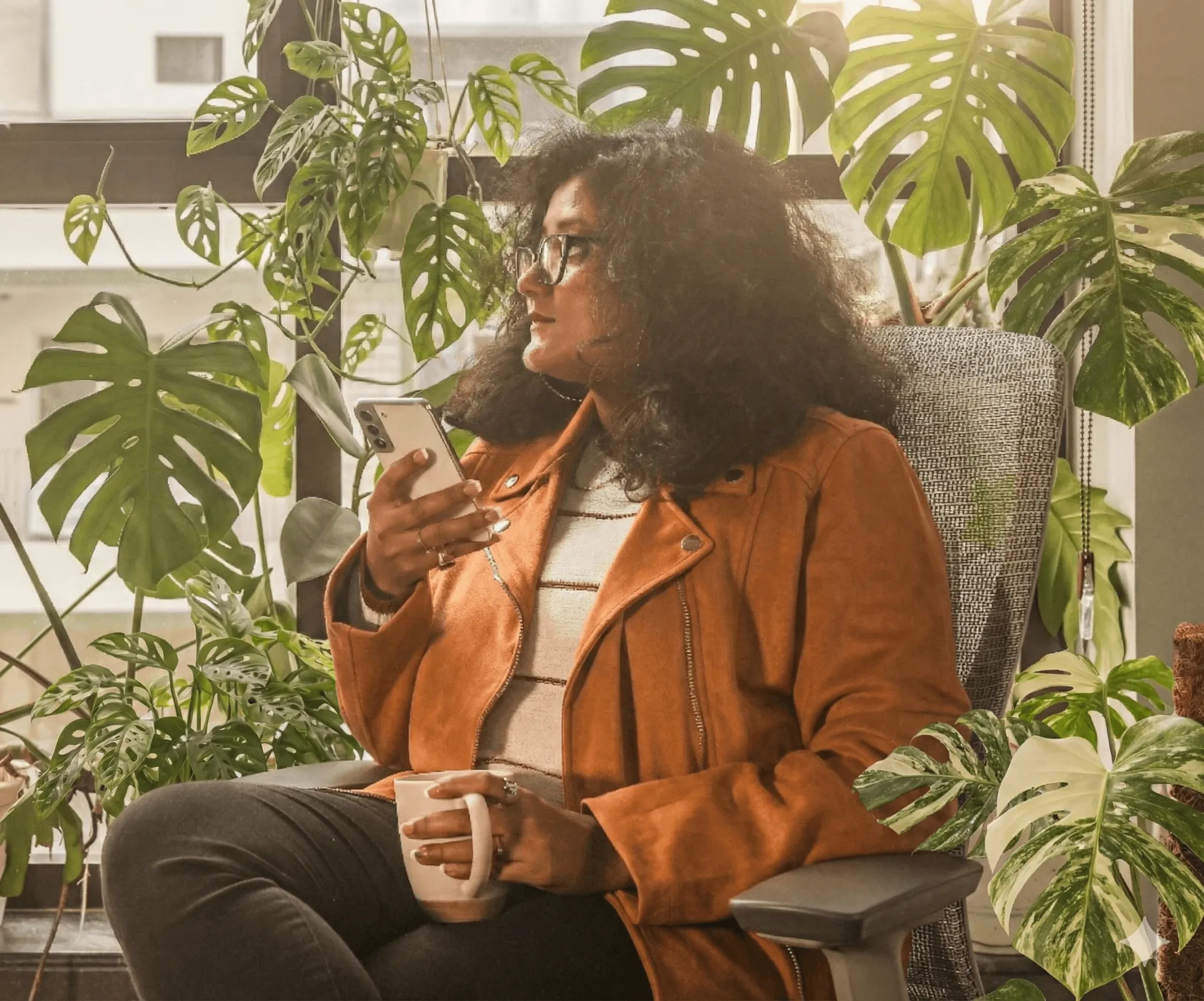
The money plant, botanically a pothos, is probably the single most common houseplant we encounter across every income bracket and every part of Kolkata we work in, and it is also the plant we correct the placement of most often, because its popularity has outpaced how carefully most households think about where it actually sits. Vastu treats the south-east as the money plant's correct direction, which makes sense symbolically since that corner is already associated with wealth and prosperity in the tradition, and a healthy, climbing money plant positioned there is considered to actively support financial stability for the household. What trips up nearly every client we have corrected on this is the very common practice of placing a money plant in the north-east instead, usually because that corner tends to get the best natural light in a typical New Town layout and light is what the plant genuinely needs to survive, but the north-east is a zone Vastu wants kept light, open, and free of dense, sprawling growth, so a money plant thriving and spreading there is considered to work against that corner's purpose rather than for it. Our practical fix, which we have implemented in dozens of homes at this point, is simply relocating the pot to a south-east windowsill or a south-east corner shelf with a trellis or support for the vines to climb, and if that corner genuinely lacks enough light for the plant to thrive, we would rather help a client choose a different, hardier plant suited to lower light than force a money plant into a spot it cannot survive in just to chase the ideal direction.
Bamboo: Distinguishing Lucky Bamboo From the Rest
Lucky bamboo, which despite the name is not a true bamboo species but a form of Dracaena, deserves its own separate note because clients frequently conflate it with actual bamboo plants and the two carry different Vastu guidance. Lucky bamboo arranged in stalks, commonly sold in sets of three, five, six, or eight stalks with each number carrying its own specific association in the tradition, is considered auspicious placed in the east, which supports health and new beginnings, or the south-east, which reinforces the same wealth association money plants carry, and it is one of the few plants we recommend keeping strictly indoors in a water-filled vase rather than potted soil, since that is both how the plant is conventionally grown and how the Vastu guidance assumes it will be displayed. Genuine bamboo, the taller, woodier variety sometimes planted in larger outdoor containers or garden beds for privacy screening, is treated somewhat differently, generally considered a favourable plant for the east or north-east of an outdoor space because of its fast, upward growth pattern, but we would flag that true bamboo's aggressive root spread makes it a poor choice for a shared building's rooftop garden or a compact balcony planter regardless of Vastu, purely on practical horticultural grounds.
Other Plants Worth Naming Specifically
A handful of other species come up often enough in our client conversations that they are worth covering by name rather than folding into general guidance. The areca palm, a common choice for Kolkata living rooms given how well it tolerates indoor air conditioning, is considered favourable in the east or north-east and is frequently recommended as an air-purifying plant that also carries positive Vastu weight, making it one of the easiest recommendations we give without much caveat attached. The jade plant, valued for its round, coin-shaped leaves that give it an obvious symbolic tie to prosperity, follows the same south-east guidance as the money plant and works well as a smaller desktop or shelf option for homes where a full climbing money plant is not practical. Marigold, a flowering plant that shows up constantly around festival season in Bengali households, is considered auspicious near the main entrance or in the east-facing portion of a balcony, and we often suggest it specifically for clients who want a festival-appropriate seasonal plant without committing to a permanent indoor specimen. Peace lily, another extremely common choice for Kolkata apartments because of its tolerance for lower indoor light, is generally treated as neutral to mildly favourable in most Vastu guidance, and we do not steer clients away from it, though it lacks the strong specific directional association that tulsi, money plant, and bamboo each carry individually.
Thorny Plants: The Taboo Clients Ask About Most
If there is one Vastu plant rule that has genuinely permeated popular awareness in Kolkata beyond the design-conscious clients we usually work with, it is the taboo against thorny plants indoors, and it is a rule we hear cited correctly more often than almost any other Vastu principle in this piece. Cacti, roses grown in pots, and other thorn-bearing species are considered to introduce sharp, aggressive energy into a home's interior, believed to create tension, conflict, or obstacles for the people living there, and this concern applies specifically to keeping such plants inside living spaces rather than outdoors, since a rose bed or a cactus garden in an open outdoor plot or a building's ground-level landscaping is treated far more leniently than the same plants sitting on an indoor windowsill. We have walked into more than a few homes with a small decorative cactus collection on a study desk or a living room console, usually chosen for how little maintenance they demand, and while we never insist a client discard a plant they are attached to, we do explain the reasoning clearly and let them decide, and the honest pattern we have noticed is that most clients who hear the full explanation choose to relocate the cactus collection to an outdoor balcony ledge rather than get rid of it outright, which satisfies both the aesthetic attachment and the Vastu concern at once.
Bonsai: A Taboo That Surprises Almost Everyone
The bonsai taboo is the one piece of guidance in this entire piece that catches clients most off guard, because a bonsai tree reads to most people as a calm, meditative object rather than anything remotely negative, and the reasoning behind Vastu's caution here has nothing to do with the plant's appearance and everything to do with what the practice of bonsai actually does to a tree. Bonsai cultivation deliberately stunts a tree's natural growth, restricting its roots and pruning it to remain permanently miniature, and Vastu treats this deliberate restriction of a living thing's natural growth as symbolically unfavourable for a home, believed to correspondingly stunt the growth, opportunities, and progress of the people living there, which is a genuinely different kind of objection than the sharp-energy reasoning behind the thorny-plant taboo. We tell clients this plainly when they ask, and we leave the decision entirely to them, since a cherished bonsai collection someone has spent years cultivating is not something we would ever push a client to abandon, but we do think the reasoning is worth understanding clearly rather than dismissing, especially for a family currently in a period where they are actively trying to grow a business or expand a household, since that is usually when clients decide the symbolism is not worth the risk.
Withered, Dying, or Artificial Plants
One rule that applies across every species named above rather than to any single one of them is that a withered, yellowing, or visibly dying plant kept on display is considered to actively work against a home's positive energy regardless of what species it is or how correctly it was originally placed, since Vastu treats a struggling plant as a visible symbol of decline rather than growth, and we genuinely believe this is sound advice independent of the philosophy behind it, since a dying plant is simply bad for a room's aesthetics too. Artificial plants occupy a more debated middle ground in Vastu circles, with some guidance treating them as broadly neutral substitutes when a live plant is not practical for a low-light corner, and other stricter interpretations holding that only living plants carry genuine positive energy, and our own position with clients is pragmatic, a well-maintained artificial plant in a spot too dark for anything to survive is a far better outcome than an empty corner or, worse, a live plant slowly dying in the wrong light.
Where Plants Fit Into a Larger Vastu Plan
Plant placement is genuinely one of the easiest and least expensive Vastu adjustments a household can make compared to almost anything structural, and we regularly recommend it as a first step for clients dealing with a compromised room they cannot fully fix through renovation, such as a bedroom sitting under an awkwardly exposed structural beam, where a correctly placed plant is one small piece of a broader remedy strategy alongside furniture positioning and ceiling treatment. For clients in a building whose overall structure was designed without much Vastu consideration at the outset, whether that is a unit's relationship to shared infrastructure like stilt parking below, or simply an oddly oriented room, plants are consistently the most flexible tool we reach for precisely because a pot can move corners in an afternoon in a way that a wall or a plumbing line cannot. And on the practical end of a home's overall budget, we would gently note that plant selection and placement costs nothing beyond the plant itself, which makes it a strange category to get wrong compared to something like bathroom fixtures, where cutting corners on quality genuinely does cost a family more within a few years of daily use.
Let Us Help You Plan a Home That Grows the Right Way
If you are working out where to place tulsi, money plant, or bamboo in a New Town flat, or you have inherited a collection of houseplants and want an honest read on what to keep, relocate, or let go of, we would rather walk your actual rooms with you than give directional advice in the abstract, since real light conditions and floor plans matter just as much as the compass. Get in touch with our team through Studio Contour's contact page, tell us a bit about your home and the plants you already have, and we will help you build a greenery plan that supports both the space and the intent behind it.