






Double-Charged vs Full-Body Vitrified Tiles: Why the Difference Matters After Five Years
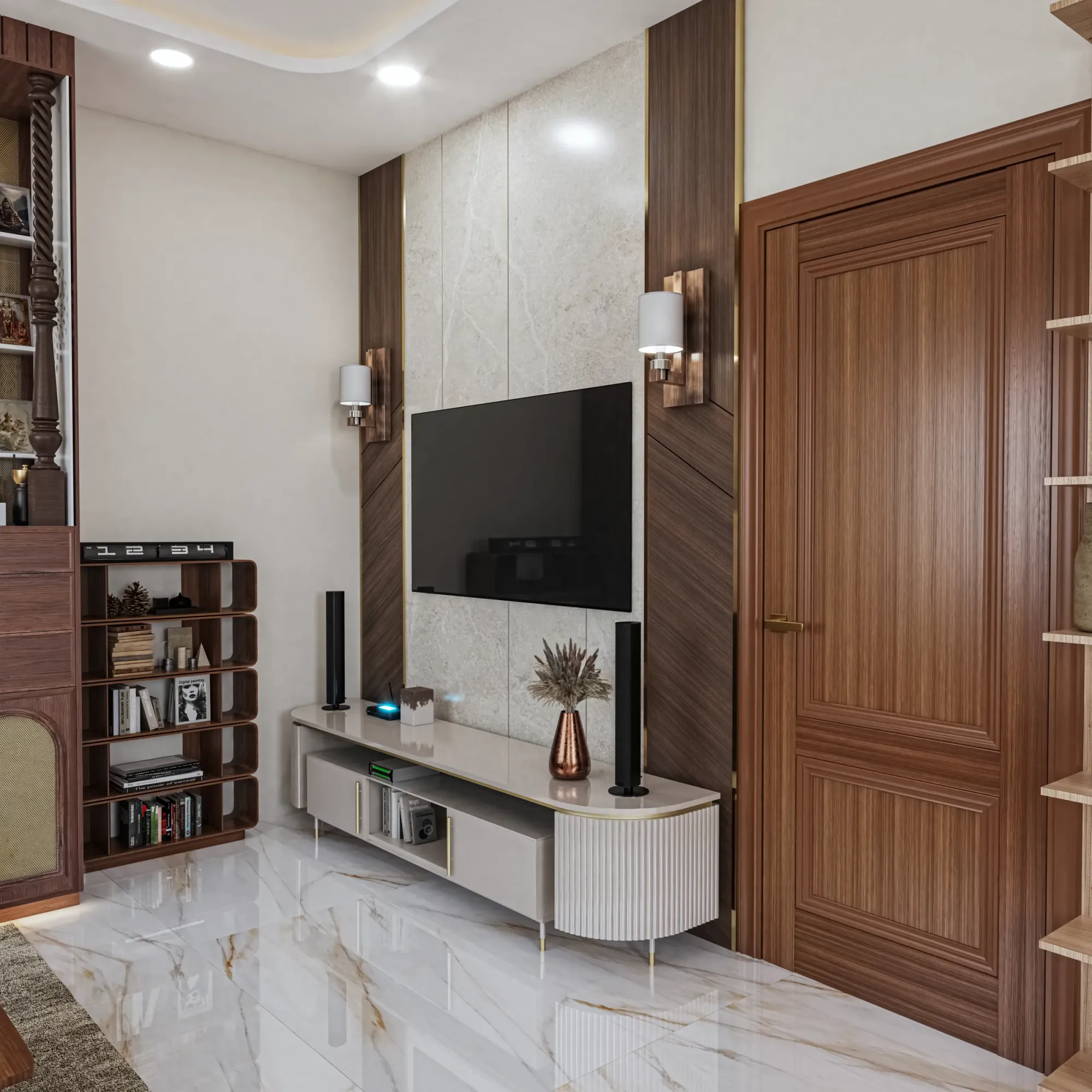
We get called back to look at floors we did not originally install more often than you would think, usually by a client who bought a flat secondhand in New Town or Salt Lake and wants to know whether the existing tile is worth keeping or worth replacing, and one of the most common patterns we see is a living room floor that looked flawless in the sale photos but, on close inspection five or six years in, shows a faint but unmistakable network of pale scratch lines running against the grain of the pattern, especially near the sofa legs and the main walking path from the door to the kitchen. Almost every time, that floor turns out to be a double-charged vitrified tile, and the pale scratch marks are not damage in the sense of a broken tile, they are the printed decorative layer wearing through to the plain body underneath. Understanding why that happens, and how it differs from a full-body tile, changes which product we specify depending on which room we are standing in.
How the Two Tiles Are Actually Made
A double-charged vitrified tile is manufactured by pressing two layers of material together under extreme pressure before firing, a base layer that forms the structural bulk of the tile, and a decorative layer on top, typically around 3 to 4mm thick, that carries the printed pattern, colour, and design you actually see and choose in the showroom. The "double charge" refers to this two-layer pressing process, and it is what allows manufacturers to produce elaborate marble-look veining, granite-effect speckling, or intricate geometric patterns at a lower cost than achieving the same look through the body of the entire tile. The catch, and it is a significant one, is that the decorative layer, however well bonded, is finite in depth. Once foot traffic, dragged furniture, or repeated abrasive cleaning wears through those 3 to 4mm, what shows through underneath is the plain, undecorated base body, which is usually a flat off-white or grey with none of the pattern above it.
A full-body vitrified tile, by contrast, is manufactured so the colour and pattern run consistently through the entire thickness of the tile, from the visible surface all the way down to the underside. There is no separate decorative skin to wear through, because the granulate mixture that creates the pattern is blended before pressing rather than layered on top afterward. If a full-body tile chips, scratches, or wears at the surface over fifteen years of use, what is revealed underneath is more of the same pattern, not a mismatched plain layer, which is precisely why full-body tiles are the category we reach for in any space we know is going to take sustained heavy wear.
Where the Wear Actually Shows Up First
In our experience walking through completed projects years after handover, wear on double-charged tiles does not appear as a uniform dulling across the whole floor, it appears as a very specific, localized pattern that maps directly onto how the room is actually used. The strip of floor directly in front of a sofa where feet rest and shift constantly during television watching is almost always the first place we see the pale scratch network start to show. Staircases are another consistent early failure point, specifically the leading edge of each tread where shoes make contact first and where the abrasive grit carried in on footwear does the most damage, because that leading edge takes concentrated, repeated point contact in a way flat floor areas do not. Dining areas around the base of chair legs, especially where chairs are dragged rather than lifted, show the same pattern, and we have inspected more than one Salt Lake dining room where six distinct pale arcs were visible on the floor, one under each dining chair, from years of the chair being pushed back and pulled in along the same six paths.
Full-body tiles in the same high-wear zones age differently. The surface can still pick up fine scratches over a decade of use, glossy full-body tiles in particular will show a general softening of shine in heavy traffic lanes over many years, but because there is no colour transition to reveal, that softening reads as a gentle patina rather than as a visible defect, and it rarely prompts the kind of "the floor looks damaged" comment we hear from clients revisiting a double-charged installation after five years.
Matching the Tile Type to the Room, Not the Whole Flat
This is not an argument that double-charged tiles are a bad product across the board, because for low and moderate traffic zones they remain an excellent, cost-effective choice, and we specify them regularly in bedrooms, guest rooms, and secondary sitting areas across the New Town and Rajarhat projects we handle, where foot traffic is lighter and the risk of scratch-through within a realistic ownership horizon is low. Where we push clients toward the additional cost of full-body tile is specifically in the zones we already know will take the heaviest cumulative wear over a decade of daily life: the main living room floor, especially the path between the entry door and the kitchen that every member of the household crosses dozens of times a day, staircases in duplex and triplex units, and any commercial reception or retail floor where footfall volume is simply higher than a residential space will ever see.
The price difference between the two categories is real but not dramatic, full-body tiles generally run somewhere between 20 and 35 percent above an equivalent double-charged design in the same size and finish, and when we walk clients through the ten-year cost of that gap against the cost and disruption of pulling up and replacing a living room floor because the pattern has worn through in visible patches, the decision tends to make itself. It is a similar logic to the one we lay out when discussing PEI wear ratings and water absorption specifications, where the printed numbers on the box matter more over time than the sample looks like on day one.
What to Ask For at the Showroom
Because both tile types can carry near-identical surface prints and finishes, the only reliable way to tell them apart before purchase is to ask the salesperson directly whether a product is double-charged or full-body, and to check the product code or specification sheet rather than relying on the sample's visual appearance, since showroom lighting flatters both equally well. Reputable Kolkata tile suppliers will have this information readily available and will usually be honest about it if asked directly, because full-body tile is a premium line they are equally happy to sell you. If a supplier is vague or cannot answer the question, that alone is worth treating as a signal to look elsewhere or to specifically request the cut cross-section of a sample tile, which will show you at a glance whether the pattern continues through the body or stops at a thin decorative layer.
For flats where we are also specifying natural stone alongside vitrified tile, typically kitchen counters paired with a vitrified floor, the sourcing conversation runs in parallel, and our guide on buying Italian marble in Kolkata and vetting suppliers before you commit covers that process in the same level of practical detail. And for households planning ahead for aging family members, floor material choice intersects directly with fall risk and slip resistance, which we cover in our piece on redesigning a Kolkata flat for elderly parents.
Getting the Right Tile Into the Right Room From the Start
The honest reality is that most tile regret we encounter on renovation projects traces back to a decision made in a showroom in under twenty minutes, where a beautiful pattern was chosen without anyone asking whether it was double-charged or full-body, or which rooms in the flat would actually put that pattern under sustained pressure over the years ahead. We would rather have that twenty-minute conversation with you before the order is placed than have it after the fact, standing over a living room floor that looked perfect at handover and now carries scratch marks nobody can un-see. If you are specifying flooring for a new build or a renovation anywhere across Kolkata, get in touch through our contact page and we will walk your floor plan room by room to figure out exactly where full-body is worth the premium and where double-charged does the job perfectly well.