






From Kids' Bedroom to Home Gym: What Empty Nesters Are Redesigning in Kolkata
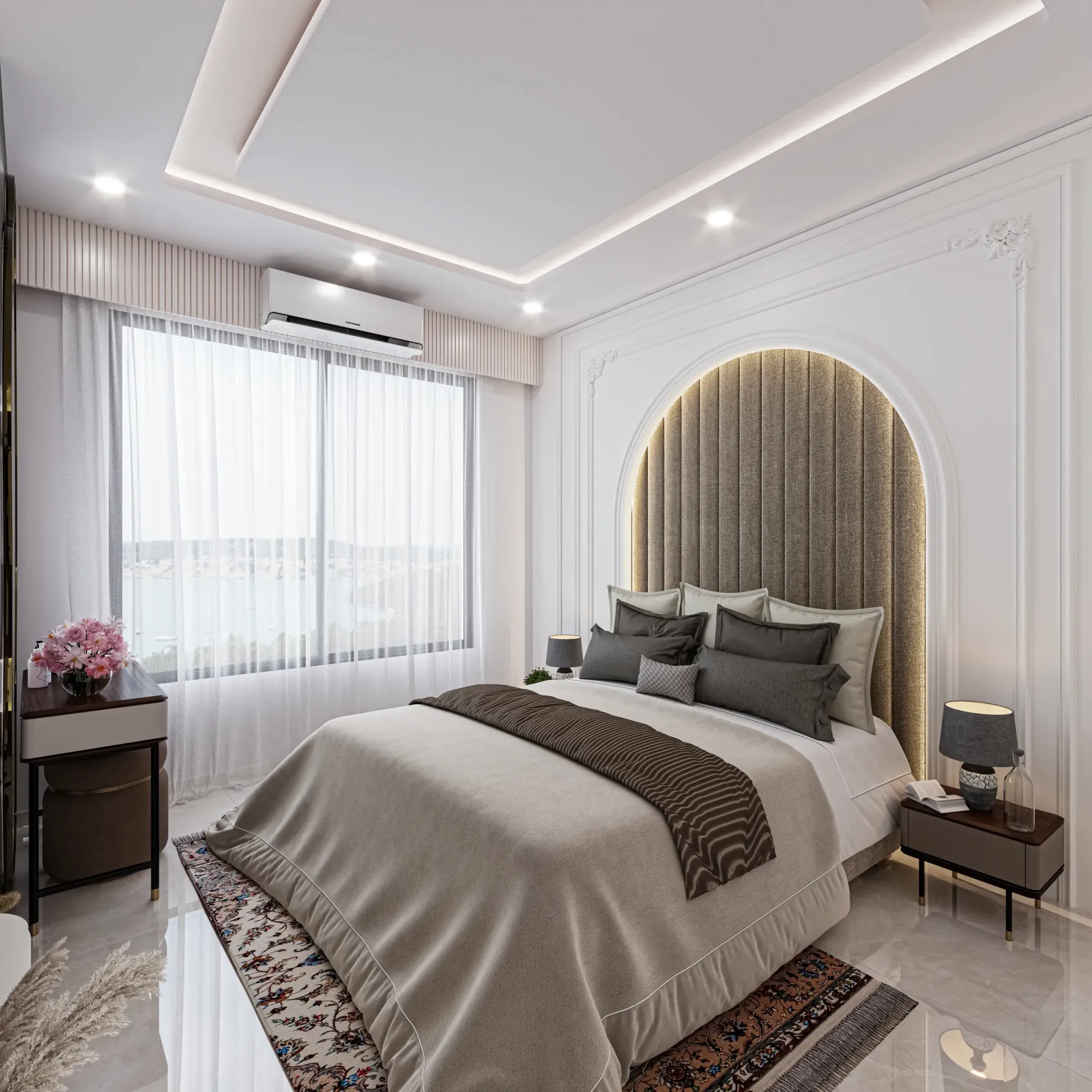
Once a child moves out of the family flat for college, a job in another city, or increasingly for many Kolkata families we work with, a life abroad, the bedroom they leave behind sits unused for far longer than most parents initially expect, often eighteen months to two years of half-hearted "we'll figure it out eventually" before anyone commits to actually redesigning it, and among the requests we get most often once that decision finally gets made, converting the empty room into a home gym has moved from an unusual ask to one of our three or four most common bedroom-conversion briefs across New Town, Salt Lake, and Rajarhat combined. Unlike converting a room into a study or guest bedroom, which mostly means new furniture, a genuine home gym conversion touches flooring, ventilation, mirrors, and sometimes electrical load in ways that a typical bedroom's original build was never designed around, and getting those four elements right from the start is what separates a home gym a parent actually uses three or four times a week from one that quietly reverts to a storage room within a year.
Why Flooring Is the First Decision, Not the Last
Every kids' bedroom we have converted into a home gym in Kolkata started with the same original floor, either vitrified tile or, in some of the older Salt Lake blocks, marble, and both of these are genuinely unsuitable for the kind of use a home gym demands, because dropped dumbbells, repeated impact from bodyweight training, and the risk of a slip during a sweaty session all argue for a resilient, shock-absorbing surface rather than a hard, unforgiving one. We install interlocking rubber gym tiles, typically 15 to 20 millimetres thick, directly over the existing floor in the vast majority of these conversions, which protects both the original tile underneath, useful if the room ever needs to revert to a bedroom for a visiting family member, and the resident's joints during higher-impact training, and this flooring change alone typically costs ₹120 to ₹220 per square foot depending on tile thickness and quality, making it one of the more affordable line items in the entire conversion despite being the one that matters most for daily use.
Ventilation and Humidity: The Detail Original Bedroom Design Never Accounted For
A bedroom is designed around occasional air exchange, someone sleeping quietly for eight hours with a fan or an AC running, but a room where a person is doing sustained cardio or strength training for forty-five minutes several times a week generates far more heat, humidity, and, if the equipment includes anything electronic, noise, than the original ventilation was ever sized for. Most kids' bedrooms in New Town and Salt Lake blocks we have surveyed have a single split AC unit sized for sleeping comfort, generally a 1 or 1.5 ton unit for a 120 to 150 square foot room, and while that capacity is often technically adequate for a workout too, we usually recommend adding a dedicated exhaust fan or upgrading to a slightly higher CFM ceiling fan alongside the AC, because rapid air turnover matters more than raw cooling capacity when a room needs to clear both heat and moisture quickly between sessions rather than just maintain a steady temperature overnight. Where the room backs onto an internal shaft or has limited window area, which is common in several older Salt Lake layouts, we sometimes add a small humidity-triggered exhaust fan specifically to prevent the mirror fogging and the mould risk that sustained humidity spikes can create on a bedroom's original paint finish over time.
| Feature | Original Kids' Bedroom | Converted Home Gym |
|---|---|---|
| Flooring | Vitrified tile or marble | Interlocking rubber tiles, 15-20mm |
| Ventilation | Single AC sized for sleeping | AC plus dedicated exhaust or upgraded CFM fan |
| Mirrors | None or a small wardrobe mirror | Full wall mirror, 6-8 ft width minimum |
| Electrical load | Standard lighting circuit | Dedicated circuit for treadmill or smart equipment where needed |
Mirrors, Storage, and the Layout Decisions That Make a Gym Feel Like One
A single full-height wall mirror, ideally 6 to 8 feet wide, is the one visual element that does more than anything else to make a converted bedroom read as an actual gym rather than a spare room with equipment shoved into it, both because it lets someone check their form during strength training and because mirrored walls make a modest room, most of these conversions happen in bedrooms of 100 to 150 square feet, feel noticeably larger than its floor area suggests. We usually mount this mirror on whichever wall previously held the child's study desk or wardrobe, since that is typically the longest unbroken wall in the room, and we relocate any storage that still needs to live in that room, folded gym towels, resistance bands, yoga mats, into a slim wall-mounted unit rather than a floor-standing cupboard, both to keep the usable floor area maximised for movement and to keep the room visually distinct from its previous life as a bedroom.

- Confirm the original floor slab can take rubber gym tiles without altering the room's finished height at the door threshold
- Check existing AC tonnage against the room's square footage and add exhaust ventilation if humidity or heat buildup seems likely
- Choose one long unbroken wall for a 6-8 ft mirror before finalising equipment placement
- Add a dedicated electrical circuit if a treadmill, smart mirror, or other higher-draw equipment is planned
- Keep a slim wall-mounted storage solution rather than a floor cupboard to preserve usable floor area
What Parents Actually Choose to Keep in the Room
Not every trace of the previous occupant gets removed in these conversions, and in our experience the most successful ones deliberately keep one or two elements that anchor the room to the family's history rather than erasing it entirely, commonly a single framed photograph, a shelf holding old trophies or certificates, or, in one Rajarhat project we completed, the original built-in wardrobe repainted and repurposed for gym equipment storage rather than demolished and rebuilt. This is partly practical, since demolishing and rebuilding a wardrobe adds ₹35,000 to ₹60,000 to a project that does not otherwise need civil work, and partly emotional, because parents converting a child's room into something new, particularly when that child has moved abroad, generally want the room to feel like an evolution of a space that mattered rather than a complete erasure of it.
Equipment Choices That Hold Up in Kolkata's Humidity
Kolkata's humidity, which sits well above 70 percent for much of the year outside the short winter window, has a real bearing on what equipment we recommend for a home gym built inside a converted bedroom rather than a purpose-built commercial space with industrial dehumidification. Leather or vinyl-covered benches and equipment tend to hold up better than raw foam padding, which absorbs moisture and can develop odour or mildew far faster in a Kolkata bedroom than the same equipment would in a drier climate, and we generally recommend against storing heavier cast iron equipment directly on the rubber flooring without a slightly thicker impact mat beneath it, both to protect the floor slab underneath from long-term point loading and to reduce the metallic clang that can otherwise travel through a shared wall into an adjacent room, a real consideration in flats where a home gym now sits directly beside a room still used by other family members or by staff.
What a Full Home Gym Conversion Typically Costs
Bringing together rubber flooring, the wall mirror, ventilation upgrades, a dedicated electrical circuit where needed, and wall-mounted storage, a complete kids' bedroom to home gym conversion in a New Town or Salt Lake flat generally costs ₹2,50,000 to ₹4,50,000 depending on room size and how much of the original wardrobe or built-in furniture is retained versus rebuilt, which makes it a meaningfully smaller project than a full bedroom renovation since most of the spend concentrates on flooring, the mirror installation, and ventilation rather than on furniture or civil work.
Other Rooms Changing Shape as Families Evolve
A home gym is one of several ways we see a Kolkata flat's rooms change purpose as a family's stage of life shifts, and if the room being freed up once housed more than one child, our piece on room-sharing design for three generations living in one New Town flat covers the layout thinking for households at the opposite end of that spectrum, still fitting multiple generations into a single home rather than watching rooms empty out. If your child's old bedroom is being freed up because a new baby is on the way instead, our trimester-by-trimester guide to setting up a nursery before the due date in a Salt Lake 2BHK walks through that transition in the other direction. And where a home gym conversion is part of a larger structural rethink of the flat, perhaps involving a basement level in a New Town villa plot, our explainer on what NKDA rules say about basement depth near New Town's high water table is essential reading before any digging begins. For families weighing a gym conversion against keeping the room as a more traditional children's space for visiting grandchildren, our broader ideas piece on kids' room design in Kolkata is worth a look too.
Turning Your Child's Old Room Into Something You'll Actually Use
If your child has moved out and their old bedroom in your Kolkata flat has been sitting half-used for longer than you would like to admit, we would be glad to walk through the room with you and work out whether a home gym, a wellness corner, or something else entirely makes the most sense for how you actually spend your time now. Reach out through our contact page with the room's dimensions and what you have in mind, and we will put together a flooring, ventilation, and layout plan built around the equipment and routine you actually intend to use.