

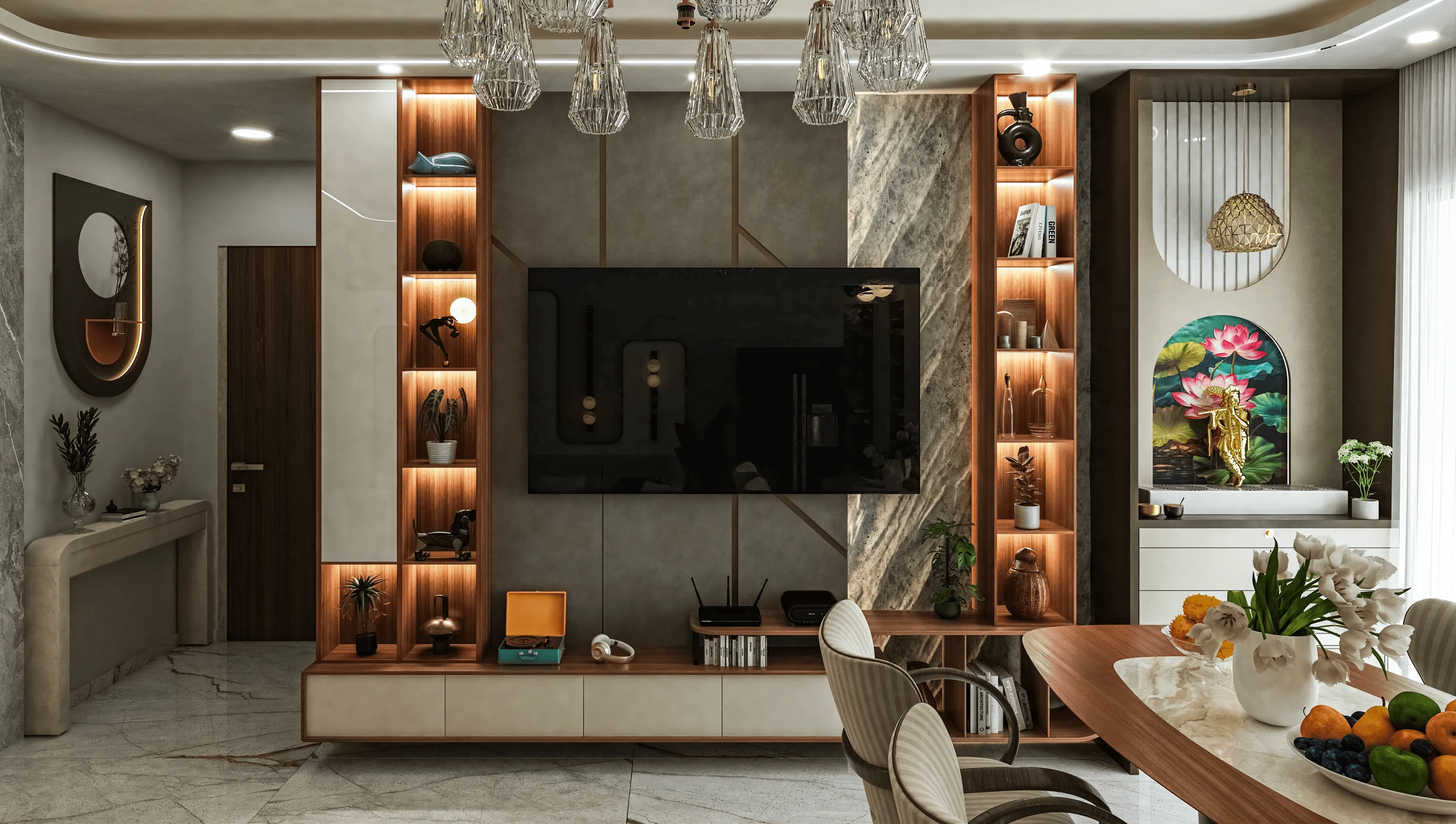






Paint Finish vs PVC Panel Ceilings: Choosing the Right Ceiling Surface for Kolkata Kitchens and Bathrooms
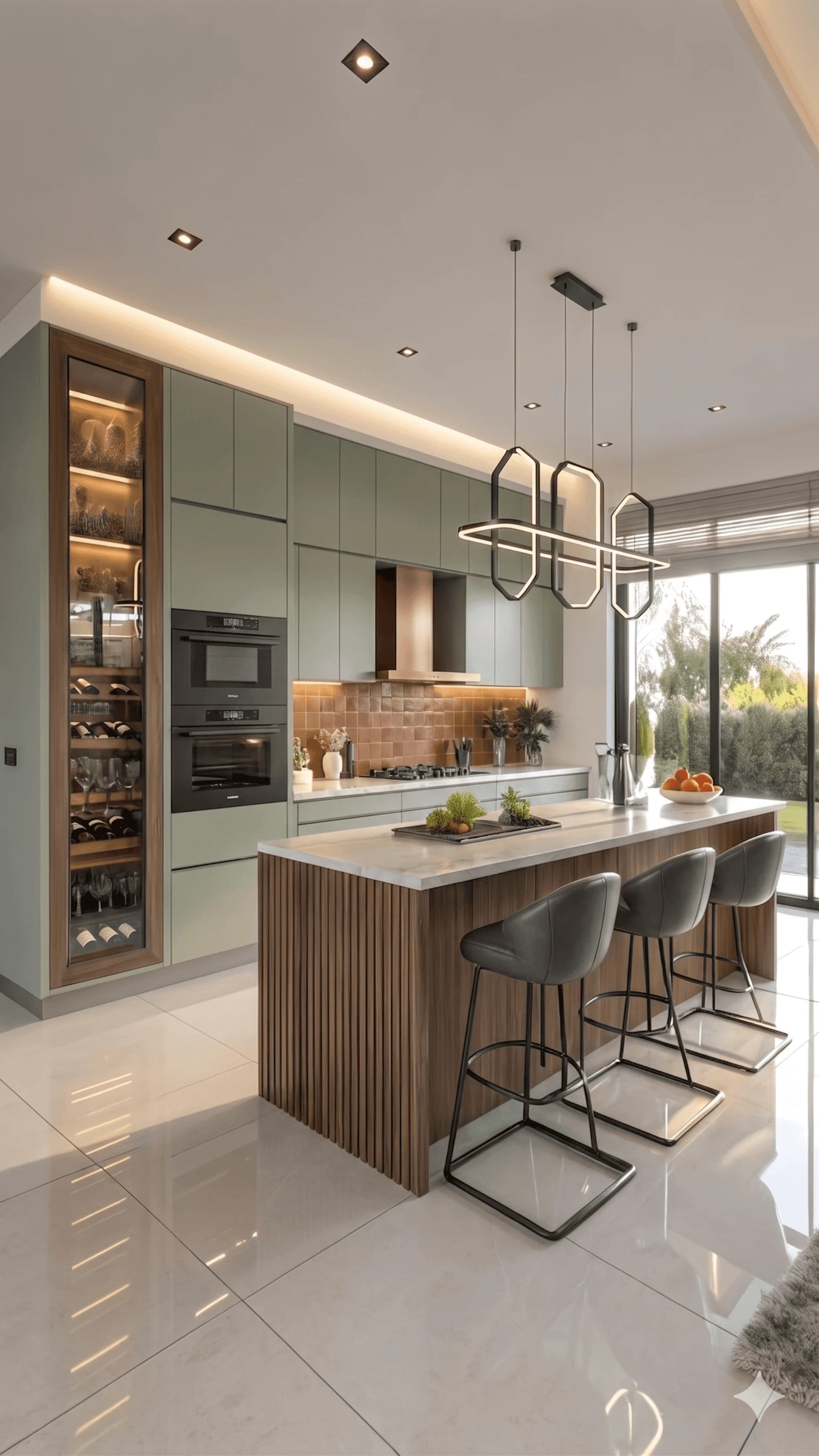
We get asked to redo more kitchen and bathroom ceilings for exactly one reason, a painted gypsum false ceiling that looked immaculate at handover has yellowed, bubbled, or started peeling at the seams within twelve to eighteen months, and the client, understandably, assumed a ceiling was a ceiling and did not realize that the same paint-and-gypsum combination that performs beautifully for a decade in a bedroom or living room is fighting a losing battle in a kitchen or bathroom in Kolkata's climate. The living room ceiling deals with dust and the occasional humid monsoon month, but a kitchen ceiling sits directly above a stove that sends up hot grease-laden air every single day, and a bathroom ceiling lives inside a small enclosed volume where steam from every hot shower condenses on the coolest surface in the room, which is almost always the ceiling. Over a decade of practice across New Town, Salt Lake, and Rajarhat we have handled this exact ceiling failure often enough that we now default to steering kitchen and bathroom clients toward a different material altogether for these two specific zones, while keeping painted ceilings everywhere else in the home, and this piece is our attempt to lay out that reasoning honestly rather than push one material as universally superior, because the truth is more nuanced than that and depends heavily on ventilation, budget, and how the space actually gets used.
Why Painted Gypsum Ceilings Fail Faster in Kitchens and Bathrooms
A standard false ceiling in a Kolkata home is gypsum board fixed to a metal or wood frame and finished with putty and emulsion paint, and this assembly works well in low-moisture, low-grease environments because gypsum board is essentially a paper-faced layer around a compressed mineral core, which means it is dimensionally stable under normal humidity but starts absorbing moisture the moment it is exposed to sustained steam or condensation. In a bathroom, every hot shower releases a burst of water vapour that rises and settles on the ceiling, and if the exhaust fan is undersized or the bathroom lacks a window, that vapour has nowhere to go and slowly gets absorbed into the gypsum board and the paint film above it, which over repeated cycles causes the paint to lose adhesion, bubble, and eventually peel in sheets, usually starting right above the shower area or geyser point where vapour concentration is highest. In a kitchen the mechanism is slightly different but equally damaging, cooking on Indian stoves, especially with regular tempering and frying, sends up a fine aerosol of oil particles along with the heat, and this oil settles on the ceiling surface over months, gradually turning a white or off-white ceiling a dull yellowish grey directly above the cooking zone, a discolouration that ordinary washing cannot fully remove because the oil has partially bonded with the paint film rather than sitting loosely on top of it. We have seen kitchen ceilings in New Town flats show visible yellowing within eight to ten months of a fresh paint job when the stove sits directly under the false ceiling without a chimney efficient enough to pull that oil-laden air away before it rises, and repainting on this cycle every year or two becomes an ongoing cost that most clients did not budget for when they chose paint in the first place.
What PVC Panel Ceilings Actually Solve
PVC panel ceilings, made from rigid or semi-rigid polyvinyl chloride sheets that interlock and fix to a lighter batten frame, solve the moisture problem in a fundamentally different way than paint does, because PVC as a material simply does not absorb water the way gypsum board and its paint film do, so a PVC ceiling in a bathroom can sit through years of daily steam exposure without swelling, bubbling, or losing its surface finish, which is the single biggest reason we recommend it for bathroom ceilings on almost every project regardless of budget tier. The panels themselves come pre-finished, usually in a glossy or matte white, sometimes with printed wood-grain or textured patterns, so there is no paint film to fail in the first place, and any grease or moisture that settles on the surface sits on top of the panel rather than soaking in, which means a simple wipe with a damp cloth restores the surface fully in a way that repainting a gypsum ceiling never can. For kitchens specifically, PVC panels handle the grease-yellowing problem the same way, oil residue wipes off the smooth PVC surface far more completely than it can be cleaned off a painted, slightly porous emulsion finish, and we have gone back to check kitchens we fitted with PVC ceilings three and four years ago where the surface still looks close to new with nothing more than periodic wiping, compared to painted kitchen ceilings from the same period that needed at least one repaint in that window. Cost-wise, PVC panel ceilings for a standard Kolkata kitchen or bathroom typically run somewhat higher per square foot than a basic painted gypsum ceiling at the point of installation, but when we account for the repainting cycle a kitchen or bathroom painted ceiling usually needs every eighteen to thirty months, the total cost over a five-year window tends to even out or favour PVC, which is the framing we walk clients through rather than just comparing sticker price at handover.
Where Painted Ceilings Still Make Sense
We are not blanket advocates for ripping out every painted ceiling in a kitchen or bathroom, because there are real situations where paint remains the sensible choice. A bathroom with strong cross-ventilation, an operable window, and a properly sized exhaust fan that actually gets used daily faces a much lower moisture load than a fully enclosed interior bathroom, and in those better-ventilated cases a painted ceiling with a moisture-resistant or exterior-grade emulsion can perform reasonably well for years, so we do not automatically push PVC on every bathroom brief, particularly for clients working with a tighter renovation budget where the cost difference matters more. Similarly, in kitchens with a strong chimney and hood system that actually captures cooking fumes at the source rather than letting them drift up to the ceiling, the yellowing problem is far less severe, and we have clients in Sector 5 and other well-ventilated New Town developments where a painted kitchen ceiling has held up perfectly well for three years running because the chimney is doing its job. The decision, in other words, is less about kitchen versus bathroom as a category and more about how much moisture or grease-laden air actually reaches that ceiling surface day to day, and part of our design process on any modular kitchen design or bathroom brief is assessing ventilation honestly before recommending a ceiling material, rather than defaulting to the more expensive option out of habit.
Design and Practical Considerations Beyond Moisture Resistance
Beyond moisture and grease performance, there are a few other differences worth knowing before you decide. PVC panels are lighter than gypsum board, which makes them a genuinely good fit if you are working with a lower floor-to-ceiling height and want to minimize how much the false ceiling eats into your headroom, since the batten framework for PVC tends to sit slightly shallower than a full gypsum grid system. On the design flexibility side, gypsum still wins for anyone wanting cove lighting details, curved profiles, or multi-level ceiling designs with concealed LED strips, because gypsum board can be cut and shaped on site in ways rigid PVC panels cannot, so if your kitchen or bathroom brief includes a design-forward cove lighting feature above a breakfast counter or a statement bathroom mirror wall, we will usually recommend a hybrid approach, PVC in the direct-exposure zones like above the stove or shower, and a small gypsum cove detail elsewhere in the same ceiling where moisture exposure is lower. One more practical note that surprises most clients, PVC panels are considerably easier to service, because if a plumbing line or electrical conduit above the ceiling needs future access, individual PVC panels can be unclipped and replaced without disturbing the whole ceiling, whereas a gypsum ceiling generally needs to be cut open and later patched and repainted, which is a meaningful consideration for kitchens where concealed plumbing for the sink or RO unit sometimes needs access years down the line.
A Related Consideration If You Are Renovating an Older Flat
If the ceiling problem you are dealing with is not just paint failure but a genuine leak coming from a terrace or the floor above, no ceiling material choice, PVC or otherwise, will solve that on its own, and we always insist on diagnosing the actual source of moisture before recommending a finish, something we go into in more detail in our piece on renovating a flat with existing waterproofing failure, because installing a fresh PVC ceiling over an active leak just hides the problem behind a nicer surface for a while longer. And if your renovation involves reusing older wood elements alongside new ceiling and cabinetry work, our guide on sourcing reclaimed wood from Kolkata's old houses covers what to check structurally before that timber goes anywhere near a kitchen or bathroom zone with high moisture exposure.
Getting Your Ceiling Choice Right the First Time
Ceilings are one of those elements that clients tend to think about last in a renovation, right after cabinetry, tiling, and fixtures have already eaten most of the attention and budget, but a ceiling that starts yellowing or peeling within a year undoes a lot of the visual polish everything else in the room worked hard to achieve, so we always push for this decision to be made early and deliberately rather than defaulted to whatever the contractor already has on hand. If you are planning a kitchen or bathroom renovation anywhere in New Town, Salt Lake, Rajarhat, or greater Kolkata and want us to actually assess your ventilation, your cooking habits, and your budget before recommending paint, PVC, or a hybrid approach for your ceiling, reach out to our team and we will walk the space with you before making that call.