








What New Town's 2041 Masterplan Means for Resale Value in Each Sector
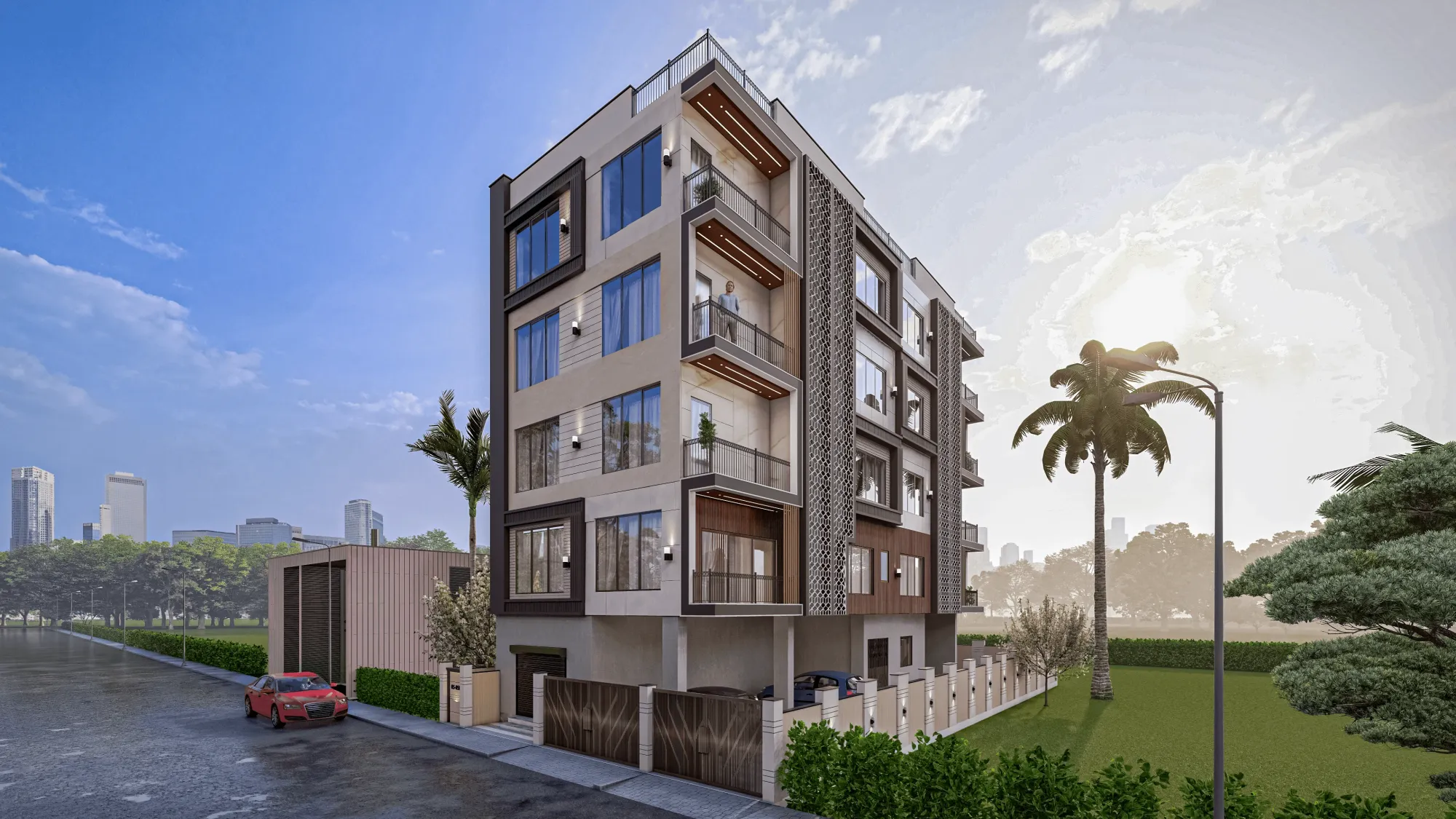
Every few months a client sits across our design table in New Town and asks us some version of the same question, which is whether the flat or plot they are considering in a particular sector is going to hold its value, or ideally grow it, over the next decade or two, and our honest answer is always that the single best public document for thinking about that question is HIDCO's own long-range masterplan, because it is effectively a map of where the authority intends to put commercial density, where it intends to preserve green buffers, and where transit and arterial infrastructure is headed, and all three of those things move resale value more reliably than any amount of guesswork about which sector "feels" like it is coming up. We are not investment advisors and we do not sell property, but after a decade of designing homes and commercial interiors across nearly every sector of New Town, we have watched the correlation between masterplan land-use intent and actual on-ground appreciation play out enough times that we think it is worth walking through in plain terms.
Why the Masterplan Matters More Than Current Appearance
The instinct most buyers and owners have is to judge a sector by how it looks today, whether the roads are finished, whether there are enough shops nearby, whether the plot next door already has a finished house on it. That instinct is not wrong exactly, but it is backward-looking, because a sector that looks a little raw today but sits inside a designated commercial or mixed-use corridor in HIDCO's forward plan is very likely to look completely different in five to ten years, and the owners who bought or built there early are the ones who benefit most from that shift. Conversely, a sector that already looks polished and complete but is zoned in the masterplan as a low-density or purely residential pocket with no major infrastructure upgrade planned is not going anywhere in particular, it will likely stay pleasant and stable, which is its own kind of value, but it is not the sector where you should expect outsized appreciation.
The practical lesson we give clients is to pull the current sanctioned land-use plan and zoning map for the specific sector they are evaluating directly from HIDCO before making a decision, because these long-range plans are periodically reviewed and refined, and what we describe here as general patterns should always be checked against the latest published version for your exact plot or sector rather than treated as fixed forever.
Commercial Densification Corridors: Where Ground Floors Will Earn Their Keep
The clearest signal in any masterplan is which corridors are earmarked for commercial or high-density mixed use, typically the sectors flanking major arterial roads and the areas immediately surrounding planned transit nodes. In New Town, this pattern shows up along stretches of the Major Arterial Road and around the central business district pockets that HIDCO has been actively developing for office and institutional use. Plots and existing homes in or adjacent to these designated corridors tend to see two things happen over time: land values climb faster than the New Town average because commercial and mixed-use land is inherently worth more per square foot than pure residential land, and second, the character of the immediate neighbourhood shifts, more footfall, more traffic, more retail and office activity at street level, which is a genuine trade-off for a family that bought expecting a quiet residential lane and now has a busier corridor outside their gate.
For owners who already hold property in one of these commercial-leaning sectors, this is often good news for resale value but it changes what kind of build makes the most sense going forward, a ground floor designed with commercial or retail flexibility built in from the start captures more of that appreciation than a purely residential layout that has to be retrofitted later. We cover the plot-level rules that govern this kind of mixed-use build in more detail in our piece on Action Area II's mixed-use provisions, which is worth reading if your sector falls inside one of these densification corridors.
Green Buffers and Low-Density Pockets: Stability Over Speed
On the other side of the ledger, HIDCO's masterplan also designates certain sectors, particularly those near Eco Park and the ecologically sensitive water bodies and wetland buffers that New Town was planned around, as low-density, green-buffer, or purely residential zones with deliberate restrictions on commercial intrusion. These sectors are not where you go looking for the fastest appreciation curve, but they are where you go looking for a different kind of long-term value, a stable, low-density residential character that tends to hold its premium precisely because the supply of comparable green-adjacent, low-traffic residential land is capped by the masterplan itself rather than left to the market.
We have designed a number of homes for clients in these quieter, green-buffer-adjacent pockets specifically because the family wanted permanence, low ambient noise, and proximity to open space over the next twenty or thirty years rather than a speculative bet on commercial upside, and for that use case the masterplan's protective zoning is a feature, not a limitation. If your priority is a long-term family home rather than an investment play, understanding which sectors carry this protected, buffer-adjacent designation is just as important as identifying the commercial growth corridors.
Transit Corridors: The Multiplier Effect
The third major lever in the masterplan is transit, specifically which sectors sit along planned or existing metro and arterial transit corridors, because proximity to transit infrastructure tends to compound the effect of commercial zoning rather than act independently of it. A sector that is both zoned for mixed-use density and sits within comfortable walking distance of a transit node typically sees the strongest and most durable appreciation, because it is attractive to both end-users who want convenience and investors who understand the long-term demand pattern that transit-adjacent property tends to follow in a growing satellite city like New Town. We go into this specific dynamic in much more depth in our companion piece, How the New Town Metro Extension Is Reshaping Which Blocks Are Worth Building In, which looks block by block at which Action Areas are seeing construction activity pick up as transit access has improved, and we would encourage anyone evaluating a sector's long-term value to read that piece alongside this one, because transit and land-use zoning are really two views of the same underlying appreciation story.
Reading Your Specific Sector: A Practical Checklist
When a client asks us to help them think through a specific sector's long-term prospects, we walk through a short set of questions grounded in the masterplan rather than in neighbourhood gossip. First, what is the sector's designated land use in the current HIDCO plan, purely residential, mixed-use, or commercial, and has that designation changed in recent plan revisions. Second, how close is the sector to a planned or existing transit node, and is there a road-widening or arterial upgrade scheduled that would improve connectivity. Third, is the sector adjacent to a protected green buffer or water body that caps future density nearby, which tends to support long-term residential stability even without commercial upside. And fourth, what is the current pace of construction activity in the sector, since a sector where HIDCO's own infrastructure works are actively underway, roads being widened, drainage being upgraded, is usually a reliable leading indicator that private construction and value appreciation will follow within a few years.
None of these four factors on their own tells the whole story, but taken together they give a far more grounded read on a sector's trajectory than simply asking whether the area looks developed today. We have seen sectors that looked sparse and unfinished a few years ago transform substantially once the masterplan's commercial and transit provisions caught up with the zoning on paper, and we have equally seen owners overpay for sectors that looked polished but were zoned for permanent low-density status with no infrastructure catalyst on the horizon.
Sector Choice Also Shapes What You Should Build
One point we make to every client evaluating a New Town sector is that the masterplan's zoning intent should influence the design brief itself, not just the purchase decision. A large parcel in a commercial-leaning corridor is a very different design problem from an identical-sized parcel in a protected green-buffer sector, and we discuss exactly how plot size and zoning interact with FAR and height entitlements in our piece on Building on a Category-IV Plot in New Town: FAR and Height Nuances for Larger Land Parcels, which is a useful companion read if your sector research points you toward one of the larger HIDCO plot categories. Getting the sector analysis right before the design brief is set saves owners from building a purely residential home in a sector that was always going to want ground-floor commercial use, or from over-investing in commercial flexibility in a sector that the masterplan protects as quiet and residential for good reason.
Let Us Help You Design for Where Your Sector Is Headed
If you are holding land or a flat in New Town and trying to work out whether your specific sector is positioned for commercial growth, transit-driven appreciation, or long-term residential stability, we are happy to walk through the current masterplan zoning for your pocket with you and talk about what that means for how you should design or renovate. This is a conversation we have with clients regularly, because the right architectural brief for a commercial-corridor plot looks nothing like the right brief for a green-buffer plot, even when the two are the same size. Get in touch through our contact page with your sector and plot details and we will help you think through both the design and the longer horizon.