








The Turnaround Renovation: Upgrading a Flat in the Gap Between Tenants
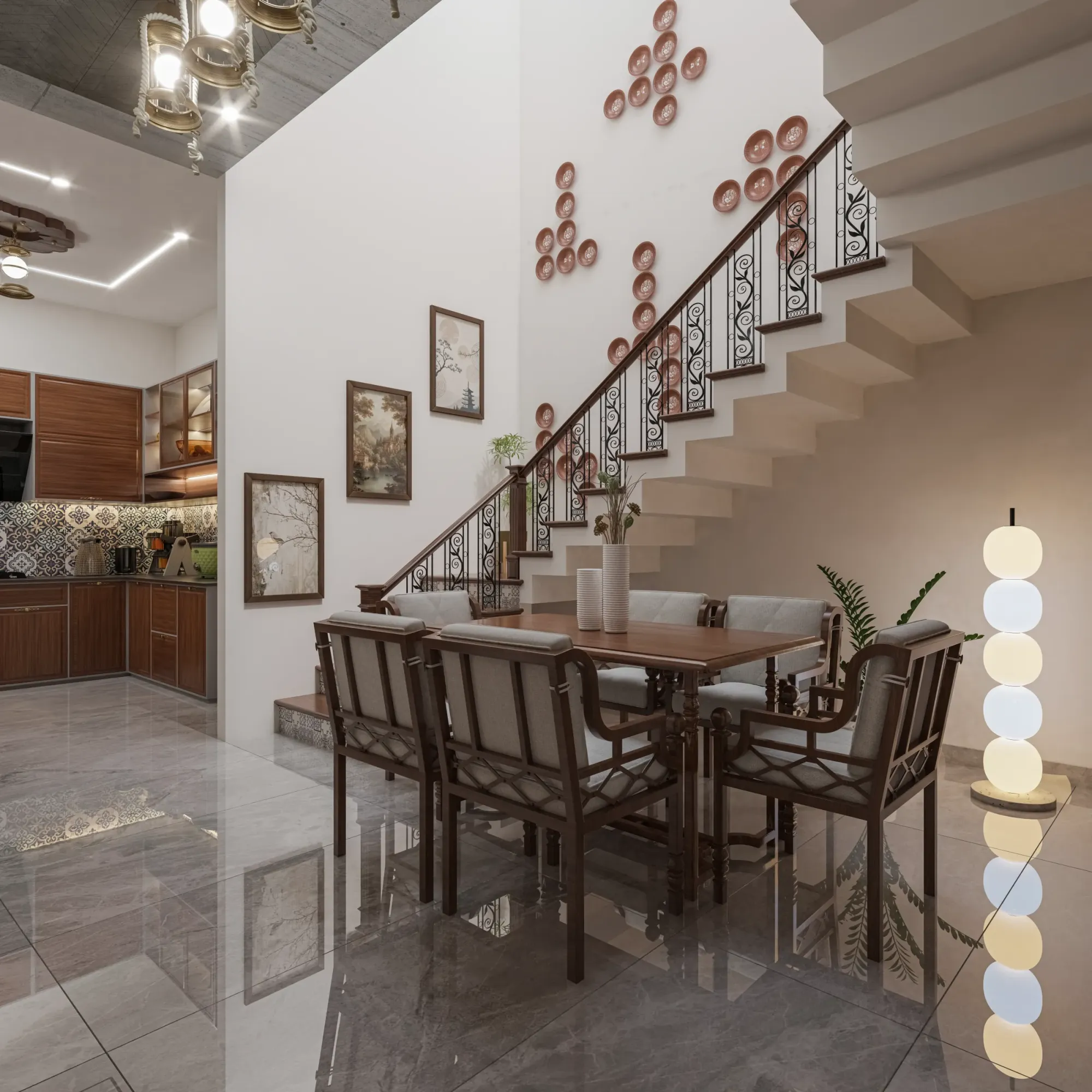
Every landlord we have worked with in New Town and Salt Lake has lived through the same anxious math at least once, where a tenant gives notice, a new one is lined up or half lined up, and somewhere in between sits a window of fourteen to twenty one days in which the flat has to go from lived-in and slightly tired to rent-ready without the owner losing a full month of income to an empty unit. We have run enough of these turnaround jobs now, across 2BHK and 3BHK rentals in New Town's Action Area blocks and a fair number of older stock in Salt Lake's sector layouts, to know that the difference between a turnaround that works and one that blows past its deadline almost never comes down to the contractor's speed. It comes down to what gets prioritized in the first forty eight hours after the outgoing tenant hands back the keys, and this guide is built specifically around that constraint, not around the leisurely six to eight week renovation timeline we would recommend if you had the luxury of an empty flat and no rent clock running.
Why the Gap-Window Renovation Is a Different Discipline Entirely
A full renovation and a turnaround renovation are not the same project scaled down, they are different disciplines with different success criteria, and treating a turnaround like a compressed version of a full remodel is the single most common mistake we see landlords make. In a full renovation, the goal is to maximize long-term value and personal satisfaction, so a client might spend three weeks deliberating over tile samples or wait six weeks for a specific modular kitchen shutter finish to arrive from a Kolkata supplier. In a turnaround, every single day the flat sits vacant is a day of lost rent, and on a typical 950 to 1,100 sq ft 2BHK in New Town renting between ₹18,000 and ₹28,000 a month depending on the block and floor, that works out to roughly ₹600 to ₹930 in lost income per day. So the entire brief shifts from "what would make this flat better" to "what specific interventions will most efficiently restore or increase the achievable rent within the days we actually have," and that reframing changes which trades you call first, which materials you spec, and how much you're willing to spend on anything decorative that doesn't move the rental number.
We tell every landlord client the same thing at the first site visit: identify your real gap window before you plan a single line item. If your outgoing tenant is vacating on the 1st and your incoming tenant's lease starts on the 22nd, you do not have three weeks, you have roughly eighteen working days once you account for a day of move-out cleanup and a day or two of buffer before the new tenant's move-in, and every trade needs to be sequenced against that number, not against an idealized project plan.
The High-ROI Triage: What Actually Moves Rent in a Short Window
Not every fix pays for itself in a short window, and this is where we spend most of our first conversation with a landlord, because the instinct is often to fix everything that looks worn, when the honest answer is that only a handful of interventions reliably raise achievable rent or reduce vacancy time in a two to three week turnaround.
Paint is the highest-return, lowest-risk fix in almost every case. A full repaint of a 2BHK, walls and ceiling, using a washable emulsion in a neutral off-white or warm grey, typically runs ₹35,000 to ₹55,000 depending on wall area and whether you're covering existing texture or stains, and it can be completed in three to four days by a two-person painting crew working room by room while other trades work elsewhere in the flat simultaneously. Fresh paint does more to make a flat photograph well for rental listing photos than almost anything else you can do, and prospective tenants viewing the unit read fresh walls as a signal that the landlord maintains the property, which genuinely does affect how quickly you close a lease and at what rent.
Kitchen fittings are the second priority, and the key word is fittings, not full kitchen replacement. A full modular kitchen redo is a four to six week job on its own and has no place in a turnaround brief. What does belong is replacing a cracked or stained countertop section, swapping worn cabinet handles and hinges (a ₹3,000 to ₹6,000 job that transforms how a kitchen photographs), fixing or replacing a leaking mixer tap, and resealing the counter-to-wall joint where grime tends to accumulate over a tenancy. If the existing modular units are structurally sound but the laminate is peeling on a few shutter faces, we have had good results re-laminating just those specific shutters rather than replacing the whole run, which can cut both cost and time by more than half.
Bathroom fixtures come third, and here the triage is brutal but necessary. Full bathroom retiling is not a turnaround job, it is a two to three week job on its own account for the bathroom alone. What is realistic within the gap window is replacing the health faucet and shower fittings if worn (₹2,500 to ₹5,000 per bathroom), resealing grout lines that have gone black or are cracking, replacing a cracked WC seat, fixing any running cistern, and if the budget and days allow, replacing just the vanity mirror and light fixture, which are the two elements most visible in listing photographs and most immediately noticed on a walkthrough. If a bathroom genuinely needs full retiling because of water damage or badly cracked tiles, that is a signal the flat may need to sit vacant an extra cycle for a proper job rather than a rushed patch that fails within months, and we say this plainly to landlord clients even when it is not what they want to hear.
Sequencing the Trades So Nothing Waits on Anything Else
The single biggest time-killer in a turnaround job is trades waiting on each other, and a good turnaround plan compresses the schedule by running independent work streams in parallel rather than in the traditional sequence you'd use on a full renovation. Painting the bedrooms and living room can proceed on day one while the kitchen and bathroom trades work simultaneously in their own zones, since paint dust and plumbing work don't interfere with each other if you sequence rooms sensibly. We typically structure an eighteen working day gap window as: days one and two for site assessment, material procurement, and any demolition of the specific elements being replaced (old shutters, cracked tiles, worn fixtures); days three through eight for parallel execution across paint, kitchen fittings, and bathroom fixtures; days nine and ten for electrical touch-ups (switch plates, any non-functional points, ceiling light fixture swaps) and a full deep clean; and the remaining days held as buffer, because something in every single turnaround job takes longer than planned, whether that's a delayed tile delivery or a plumber finding a corroded pipe behind a wall that nobody knew about until the old fixture came off.
What We Deliberately Leave Alone in a Turnaround
Just as important as what we fix is what we tell landlords to leave alone, because scope creep is what turns an eighteen day job into a forty five day job and an empty flat costing far more in lost rent than any cosmetic upgrade would have earned back. False ceiling work, unless there is an active leak or visible sagging, waits for the next full renovation cycle. Flooring replacement, unless tiles are actually cracked or lifting, waits too, since a deep clean and re-grouting of existing flooring gets you eighty percent of the visual benefit for a fraction of the cost and time. Window and door frame replacement, unless there's a functional failure like a door that won't lock properly, is almost never worth it in a turnaround window. And we generally advise against furniture or decor purchases for a rental unit inside a gap window renovation, since that decision belongs to a longer-term conversation about whether the flat should be rented furnished at all, not something to bolt on under time pressure.
If your flat is currently occupied and you're weighing whether to wait for the tenant to vacate versus doing partial work around them, our piece on renovating a flat that's currently rented out and coordinating work around a tenant walks through that different, more constrained scenario in detail. And if the unit you're preparing is on the smaller side, our guide to zoning a 400 sq ft studio apartment in New Town without walls has ideas that translate well into fast, low-cost layout improvements even within a turnaround timeline. Landlords occasionally ask us about longer-horizon retrofits too, such as adapting a unit for an elderly relative moving in as a tenant, which is a genuinely different brief we cover in our piece on aging-in-place retrofits for Kolkata flats.
Getting Your Gap Window Right the First Time
We understand that the pressure of an empty flat and a rent clock running makes it tempting to just call the first available painter and plumber and hope things come together, but we have seen enough rushed turnarounds go wrong, with mismatched paint sheens, plumbers who don't coordinate with electricians and end up cutting into each other's finished work, to know that even a compressed timeline benefits from someone managing the sequence properly from day one. If you have a vacancy date on the calendar and want a realistic plan for what can genuinely be done, and done well, in the days you actually have, get in touch with our team and tell us your gap window, we'll walk the flat, tell you honestly what belongs in this cycle versus the next one, and get your unit back on the market looking like it deserves the rent you're asking for it.