








Do You Need NKDA Permission for a Temporary Shed on a Vacant New Town Plot?
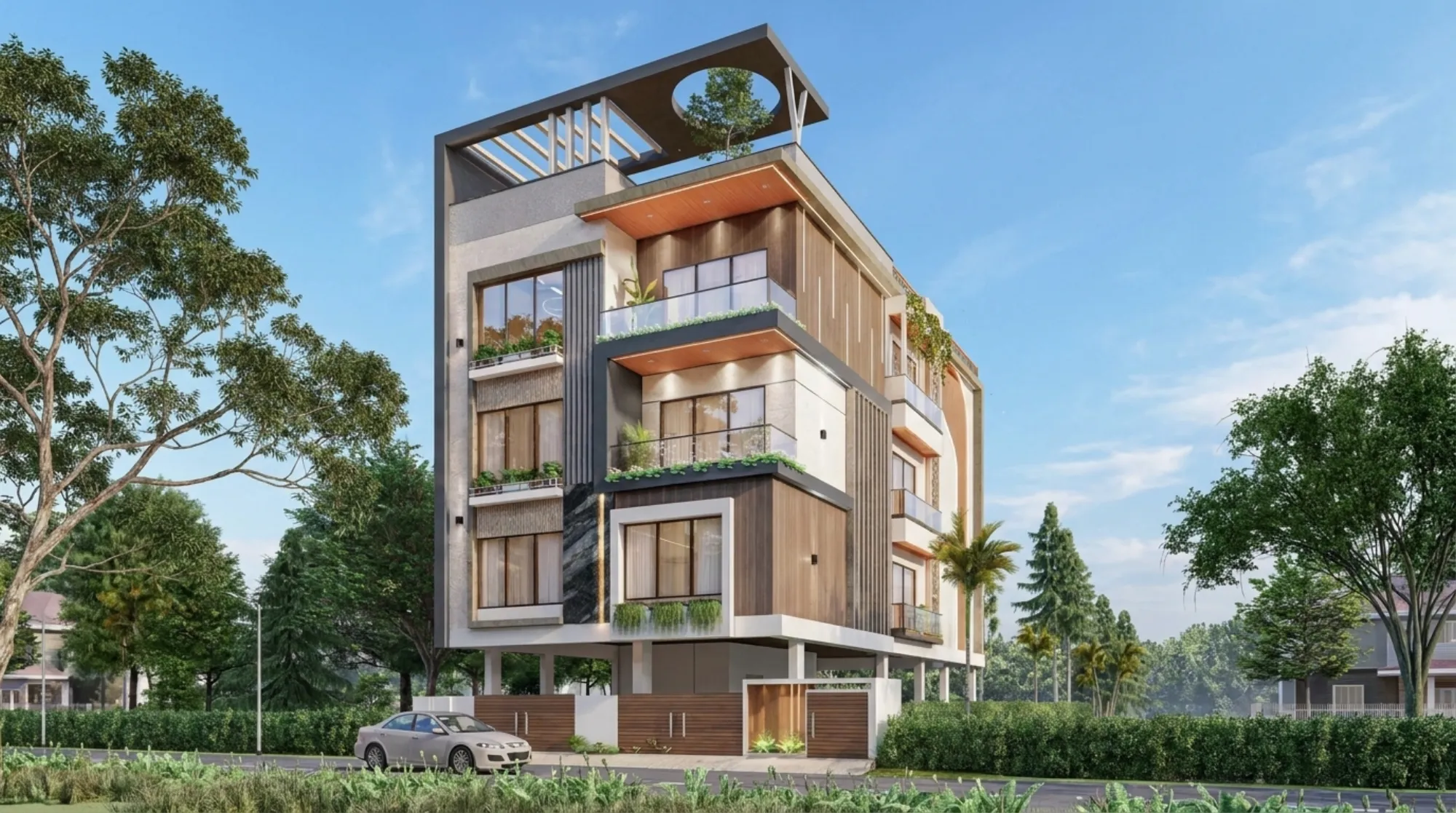
Owners who have just closed on a vacant plot in New Town almost always ask us some version of the same question within days of the sale deed getting registered, whether they can go ahead and put up a tin shed for a watchman, a small brick-and-block storage room for cement bags and rebar, or a basic site office cabin before they have even filed for building plan sanction on the main house, and the direct answer is that yes, NKDA permission is required for a temporary shed on a vacant New Town plot, because NKDA's planning jurisdiction across Action Area I, Action Area II, and Action Area III covers any structure erected on land within its area, whether that structure is meant to stand for thirty years or for the eight months it takes to finish a ground-plus-two house, and a shed put up without at least intimating NKDA of it sits in a real compliance gap even though it feels, to most owners, like too small a thing to matter.
Why a Site Shed Feels Different From Real Construction, But Isn't Treated That Way
Most of the hesitation we hear from clients comes from a reasonable-sounding assumption, that NKDA's approval process exists to control what gets permanently built on a plot, so a structure meant to come down once construction finishes should logically sit outside that process altogether, and we understand why that feels intuitive since a 100 sq ft tin shed with a tarpaulin roof genuinely bears no resemblance to the two or three storey house that will eventually replace it. The catch is that NKDA, like most development authorities in and around Kolkata, defines unauthorised construction by reference to whether a structure exists on the ground without sanction, not by how long that structure is meant to last or how modest its materials are, which means a shed, a boundary wall built ahead of the main structure, or even a corrugated sheet enclosure around stacked construction material can technically fall foul of the same rules that govern a full house if nobody has told NKDA it is there.
What NKDA Actually Wants to Know Before You Occupy a Vacant Plot
In practice, the way most owners in New Town handle this correctly is by treating the temporary shed or site office as part of the same conversation they are already having with NKDA about the main building, rather than as a separate standalone problem, because the building plan application itself typically asks the applicant to describe how the site will be organised during the construction period, including where materials will be stored, where labour will be housed if at all, and where a watchman's post sits relative to the plot boundary, and folding the shed into that description means it gets covered by the same sanction rather than sitting outside it. NKDA runs its plan submission and applicant services through its own portal at nkdamar.org, and checking the current application forms there before you commission even a small shed is worth the twenty minutes it takes, since the exact documentation NKDA wants can shift from year to year and a call to their office confirming your specific plot's requirements costs nothing next to the risk of building something that later needs to be pulled down.
What a Typical Site Shed or Watchman Post Actually Looks Like
The temporary structures we see approved alongside residential and commercial plans in New Town tend to follow a fairly consistent pattern regardless of the eventual size of the main building, a watchman's shed of roughly 60 to 100 sq ft with a tin or asbestos sheet roof on a light bamboo or MS pipe frame, sitting on a simple brick or paver plinth rather than a poured concrete foundation, and a slightly larger site office cabin of 120 to 180 sq ft where the project genuinely needs a place to store drawings, cement, and site records for the months construction is underway. None of this is meant to be permanent in either material or foundation, and that is precisely the point, because NKDA's comfort with a temporary structure standing on an otherwise vacant plot depends heavily on it being visibly temporary, easy to dismantle without a demolition crew, and clearly tied to an active or imminent construction timeline rather than a structure somebody intends to keep using indefinitely once the main house is finished.

What Happens If You Put Up the Shed Without Telling NKDA
Skipping this step rarely causes an immediate problem, and that is exactly why so many owners get away with it for months at a stretch, but the risk tends to surface at one of two points, either during a routine site inspection tied to a plinth level or other staged inspection for the main building once construction is underway, when an inspecting engineer notices a structure on site that was never part of the sanctioned drawings and flags it, or later, when a neighbour or a competing claimant on an adjoining plot boundary raises an objection and NKDA's file review turns up a structure with no paper trail behind it. Either way, the fix at that stage is more expensive than the fix would have been at the start, typically a formal regularisation request, sometimes a fee, and occasionally a requirement to demolish and rebuild the shed in a location or form that matches what should have been declared, all of which is avoidable by spending one conversation with NKDA's office before the shed goes up rather than after.
Distinguishing a Genuinely Vacant Plot From an Occupied One
It is worth being precise here, because the rule is not that owning a vacant plot in New Town obligates you to file anything with NKDA, an empty plot sitting untouched behind a boundary wall you built at the time of purchase needs nothing further from you until you are ready to build. The obligation begins the moment you put up any structure on it, however modest, because that act converts the plot from genuinely vacant to occupied in a way NKDA's records need to reflect, and this is the distinction most owners miss when they reason that it is still technically an empty plot since the house has not been built yet, while a watchman is already sleeping in a tin shed on it every night.
- Confirm with NKDA whether your specific plot needs a standalone temporary structure intimation or whether it can be folded into the main plan application
- Keep the shed's footprint and materials genuinely temporary, light frame, sheet roofing, no poured foundation
- Note the shed's position on your site plan relative to the boundary and any setback lines before construction starts
- Keep a photograph and date record of when the shed went up, useful if regularisation ever comes up
- Plan to dismantle the shed once the main structure reaches a stage where it is no longer needed
Where This Overlaps With Corner Plots and Mixed-Use Zoning
A fair number of the vacant plots we get asked about sit on corners with two road frontages, where the site organisation question gets a layer more complicated because the shed's position has to respect setback lines on both sides rather than just one, and we cover the specific paperwork that situation demands in What Extra Documents Does NKDA Ask for a Corner Plot With Two Road Frontages?. Plots inside Action Area II zoned for mixed residential and commercial use raise a related but distinct question, since a site office there sometimes needs to double as a small sales or marketing point for the eventual building, and our piece on Action Area II's mixed-use plot rules walks through how that zoning affects what NKDA will and will not allow you to construct, temporarily or otherwise, before the main sanction comes through.
If You're Planning What Comes After the Shed
Once the shed is sorted and the main building process is underway, two related questions tend to come up for owners in the same conversation, what KMC approval looks like if you are converting an existing structure into a PG or hostel use rather than building fresh, which we address in What KMC Approval Is Needed to Convert a Residential Building Into a PG or Hostel?, and whether your renovation or new-build plans need a structural sign-off before the drawings even reach the authority's desk, a question our Test reference page is a useful starting checklist for before you sit down with an engineer.
Getting Your New Town Plot Set Up Correctly Before Construction Starts
If you have recently bought a plot in New Town and are trying to work out what can and cannot go up on it before your building plan sanction comes through, we would rather have that conversation with you now than help you unwind an unauthorised shed six months from now, so reach out through our contact page with your plot's Action Area and block details and we will tell you plainly what NKDA will expect for your specific site before you put a single sheet of tin roofing in place.