
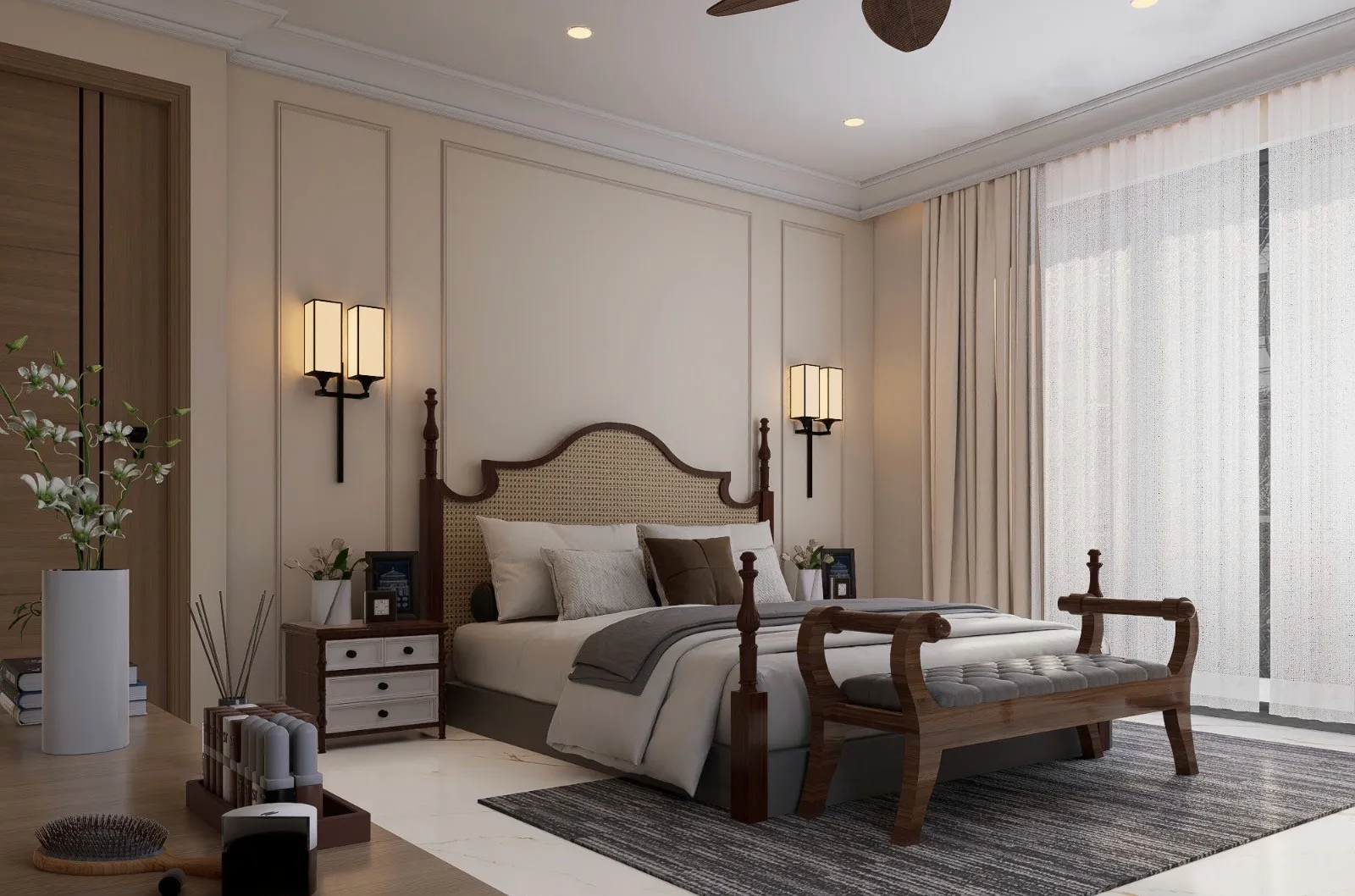
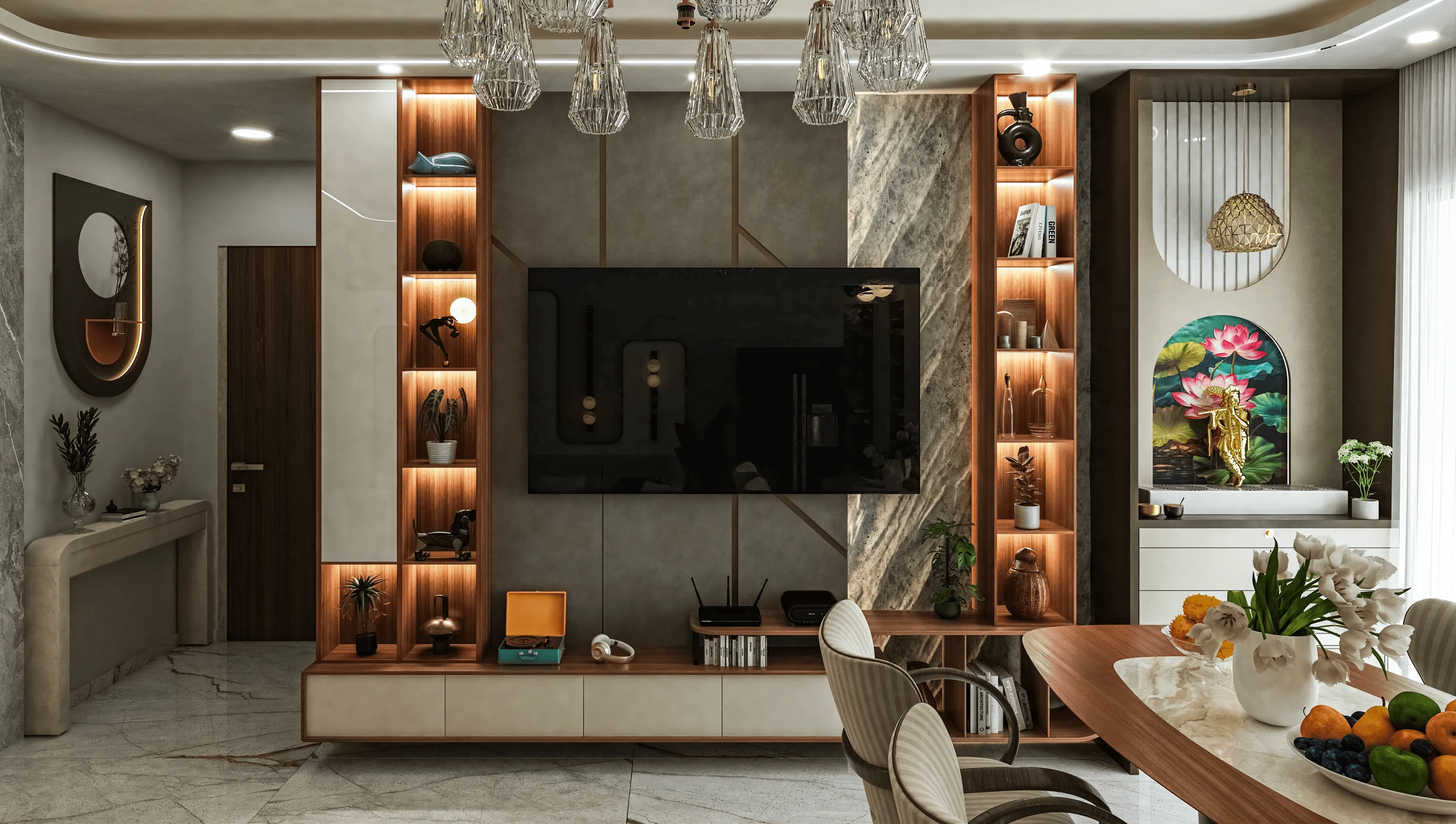






Natural Veneer vs Reconstituted Veneer: Reading the Grain Before You Choose a Finish
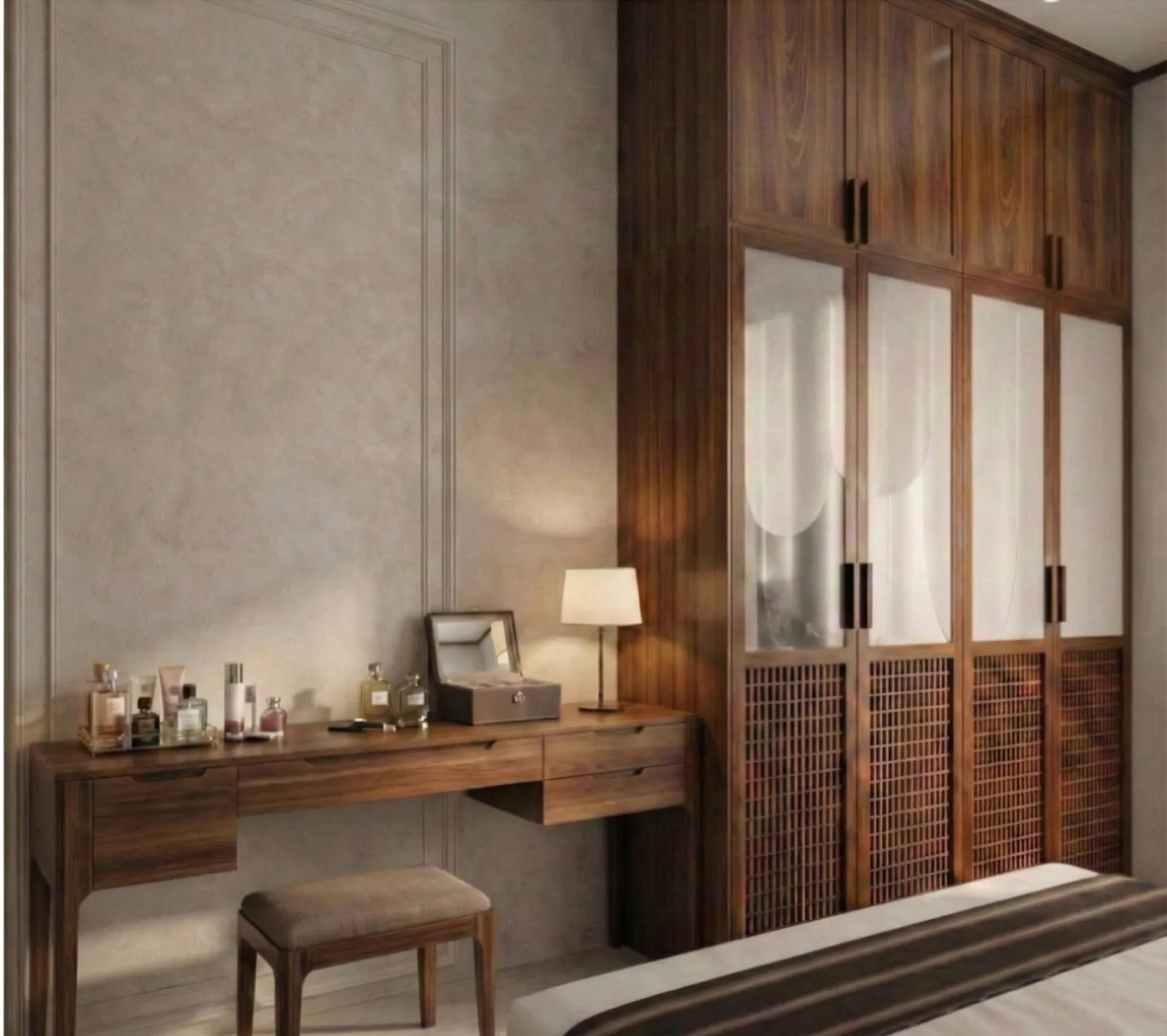
One of the most common moments of quiet disappointment we see during a site visit happens when a client walks up to a freshly installed wardrobe or a wall-panelled feature wall, runs a hand across the surface, and asks why the grain does not look exactly like the single polished sample they approved three months earlier at our studio, and it is almost always because that sample was a small offcut of natural veneer, while the actual six or eight panel wardrobe run in front of them is built from a material where variation between panels is simply part of how the wood grew, not a defect in fabrication. This is one of those decisions where setting the right expectation before the order goes in saves everyone a difficult conversation later, so we want to walk through what actually separates natural veneer from reconstituted veneer, why reconstituted veneer exists in the first place and what problem it genuinely solves, and how to think about which one is right depending on where in your home the veneer is actually going.
What Natural Veneer Actually Is, and Why No Two Panels Match
Natural veneer is exactly what it sounds like, a thin slice, typically somewhere between 0.5mm and 0.6mm thick, sliced directly from a real log of a species like teak, walnut, oak, or the increasingly popular rosewood and mango wood veneers we source for clients wanting a warmer, more rustic look. Because it comes straight from an actual tree, every log carries its own growth history baked into the grain, the tightness of the rings, the presence of knots or burls, the colour variation between heartwood and sapwood, and even how straight or wavy the grain runs depending on where in the trunk that particular slice was cut, and no two logs, let alone two different trees, ever produce identical grain patterns. When we slice a log into consecutive sheets using the standard slicing methods (crown cut, quarter cut, or rift cut, each of which produces a visibly different grain character from the same log), the sheets that come off one right after another are usually similar enough to be "book matched" or "slip matched" into a coherent pattern across two or three adjacent panels, which is a genuine technique we use deliberately on feature walls and larger door faces to create a mirrored or repeating grain effect. But once you are ordering veneer for a wardrobe with six shutters, or a wall panelling run that wraps around a living room spanning fifteen or twenty feet, you are almost certainly drawing from multiple logs or at minimum from parts of the same log that are no longer sequential, and the grain simply will not read as identical panel to panel, the way it would if you were looking at a printed or engineered surface. This is not a manufacturing shortfall, it is the physical nature of the material, and clients who go into a natural veneer order understanding this upfront tend to end up loving the result specifically because of that variation, rather than in spite of it, since it is what makes a natural veneer surface feel genuinely organic rather than manufactured.
What Reconstituted Veneer Solves, and How It Is Actually Made
Reconstituted veneer, sometimes called engineered or recon veneer, exists specifically to solve the matching problem we just described, and understanding how it is made explains why it behaves so differently. Manufacturers start with a fast-growing, relatively affordable and sustainably farmed timber, commonly poplar, obeche, or a similar low-density hardwood, and rather than slicing it the way natural veneer is sliced, they first process the log into large blocks of dyed veneer sheets that are laminated together under pressure into a new engineered block, essentially rebuilding a "log" out of stacked, tinted layers before slicing that manufactured block into the final veneer sheets. Because the underlying block is built up from layers that were all dyed in the same batch and pressed together deliberately, every sheet sliced from it carries an essentially identical grain pattern and colour, sheet after sheet after sheet, for as long as that particular manufactured block lasts, which for a large commercial order can mean dozens of panels that all read as visually indistinguishable from one another. This is precisely why reconstituted veneer has become the default choice for large-scale commercial fit-outs and for residential wardrobe runs where a client wants a rich walnut or teak look but needs six, eight, or ten shutters to match with zero visible seams or tonal jumps between them, something that is genuinely difficult to guarantee with natural veneer once your project scale exceeds what a single log's sequential sheets can cover. Reconstituted veneer also tends to run meaningfully cheaper than premium natural species like genuine teak or walnut, since the base timber is a fast-growing commodity wood rather than a slow-maturing hardwood, so it opens up a "walnut look" or a "teak look" to a client whose budget would not stretch to the real species at the square footage they need covered.
Where We Push Clients Toward One or the Other
In our experience across the wardrobe and wall panelling projects we have done throughout New Town, Salt Lake, and greater Kolkata, the decision usually comes down less to budget alone and more to how large a continuous surface the veneer needs to cover and how much the client values uniformity versus organic character. For a single statement piece, a study table top, an entry console, or a small feature wall panel behind a sofa where you are working with maybe two to four panels total, we genuinely encourage clients toward natural veneer, because at that scale book matching or slip matching is entirely achievable, the cost premium over recon is manageable, and the resulting surface has a depth and tactile richness, subtle colour shifts, faint mineral streaks, the occasional small knot, that reconstituted veneer, being manufactured for uniformity, simply does not replicate. For a full six or eight shutter wardrobe wall, a study or home office with wall to wall panelling, or any commercial reception or boardroom fit-out where a client has specifically told us they want zero visible variation across a long run, we steer toward reconstituted veneer, because the alternative, trying to source enough sequential sheets of natural teak or walnut to cover that run without visible jumps, is either prohibitively expensive or simply not possible depending on log availability that particular season. We have also started using reconstituted veneer more often on kitchen tall units and loft shutters specifically, spaces that see less direct daily inspection than a wardrobe door at eye level, because the cost saving there is meaningful and the uniformity is honestly an asset rather than a compromise in a space where you want the eye to read the run as one continuous surface rather than notice individual panels at all.
What to Actually Ask Your Vendor Before You Commit
Whichever way you lean, there are a couple of practical questions worth asking before an order goes to fabrication that we have learned the hard way matter more than they seem to at the point of sale. First, ask specifically whether the sample you are approving was cut from the actual batch that will supply your project or whether it is a generic display sample, since with natural veneer especially, a display sample from a different log tells you almost nothing about what your specific panels will look like, and a reputable vendor should be able to show you a sample cut from the log or batch actually earmarked for your order. Second, for any run of more than three or four panels in natural veneer, ask your fabricator directly whether they can guarantee sequential sheets from a single log for the full run, and if they cannot, that is the moment to either accept visible variation as part of the aesthetic or switch that particular run to reconstituted veneer rather than discovering the mismatch after installation. Third, regardless of which veneer type you choose, ask what finish coat is planned, since a matte PU or catalysed lacquer finish reads very differently over the same veneer than a high-gloss finish does, and the finish choice affects how forgiving the surface is of everyday scuffs, a consideration that pairs naturally with how we think about surface maintenance more broadly, something we cover in detail for stone surfaces in How Often You Actually Need to Reseal Granite Counters in a Kolkata Kitchen, where the same logic of understanding a material's real behaviour before committing to it applies just as much to countertops as it does to veneer.
Hardware Matters as Much as the Finish You Put It On
A beautifully matched veneer wardrobe run is only as good as the hardware carrying its shutters and drawers day to day, and if you are at the stage of specifying a full wardrobe or kitchen order, it is worth reading our comparison of Hettich, Hafele, Ebco, or Local: What You're Actually Paying For in Kitchen Hardware Brands before you finalize channels and hinges, since the two decisions, veneer and hardware, tend to get made in the same conversation with your fabricator and are worth weighing together rather than in isolation. And if this veneer decision is part of a broader renovation you are doing with resale value in mind rather than purely for your own long-term living, our piece on Renovating a Flat Purely to Sell: Which Retrofits Actually Move Resale Price in Kolkata is worth reading alongside this one, since veneer choice, and specifically whether a buyer's eye reads your wardrobe run as premium and cohesive or slightly mismatched, is exactly the kind of detail that shows up in resale walkthroughs.
Bring Us Your Sample Panel Before You Order the Full Run
If you are standing in a showroom right now holding a veneer sample and trying to decide whether it will actually look the way you are picturing across your full wardrobe or wall run, send us a photo of it and tell us roughly how many panels or how many linear feet you are covering, and we can tell you honestly whether natural or reconstituted is the better call for that specific scale before you commit to an order you cannot easily undo. Reach out through our contact page and we will walk through it with you.