






Gypsum vs POP vs PVC False Ceiling: Material Cost Compared for Kolkata Homes

Every second client who walks into our New Town studio asks us the same question almost word for word, which is whether they should just go with POP because their contractor quoted it cheaper, or whether gypsum board is worth the extra money, and increasingly now whether PVC panels are a shortcut worth taking for a guest bathroom or a small kitchen. We have installed all three systems across more than a decade of work in New Town, Salt Lake and Rajarhat, and the honest answer is that the cheapest quote on paper is very often the most expensive ceiling by year three, because Kolkata's humidity is not kind to materials that were never designed to handle eight months of moisture-heavy air every year. This guide walks through what each material actually costs per square foot once labor, framework and finishing are included, and more importantly which one holds its shape through a Kolkata monsoon without the hairline cracks, yellowing and sagging that we get called out to fix in homes that chose the wrong system five years too early.
What POP Actually Costs and Why It Cracks First
Plaster of paris ceilings are still the most commonly quoted option by local contractors in Kolkata, largely because the material itself is cheap and the labor is widely available, and a straightforward flat POP ceiling in a New Town apartment typically runs between ₹65 and ₹85 per square foot for material and application, with cove and multi-level designs pushing that up to ₹100 to ₹140 per square foot once the additional plastering and edge work is factored in. The core problem with POP in our climate is that it is a wet-applied material, mixed on site and troweled directly onto a metal or wooden frame, and that wet application means it absorbs ambient moisture readily during curing and for years afterward, which is exactly the wrong property to have in a city where relative humidity regularly sits above 80 percent for months at a stretch. We have opened up POP ceilings in Salt Lake flats that were done six or seven years ago and found the plaster had absorbed enough moisture cycling through the monsoons that it had begun delaminating from the mesh underneath, showing as those fine spiderweb cracks that run along the joints first and then spread across the flat surface. POP also does not take kindly to being anywhere near a bathroom exhaust or an unsealed AC duct opening, because localized humidity spikes in those specific zones accelerate the cracking well before the rest of the ceiling shows any wear.
Gypsum Board: The Middle Ground That Actually Holds Up
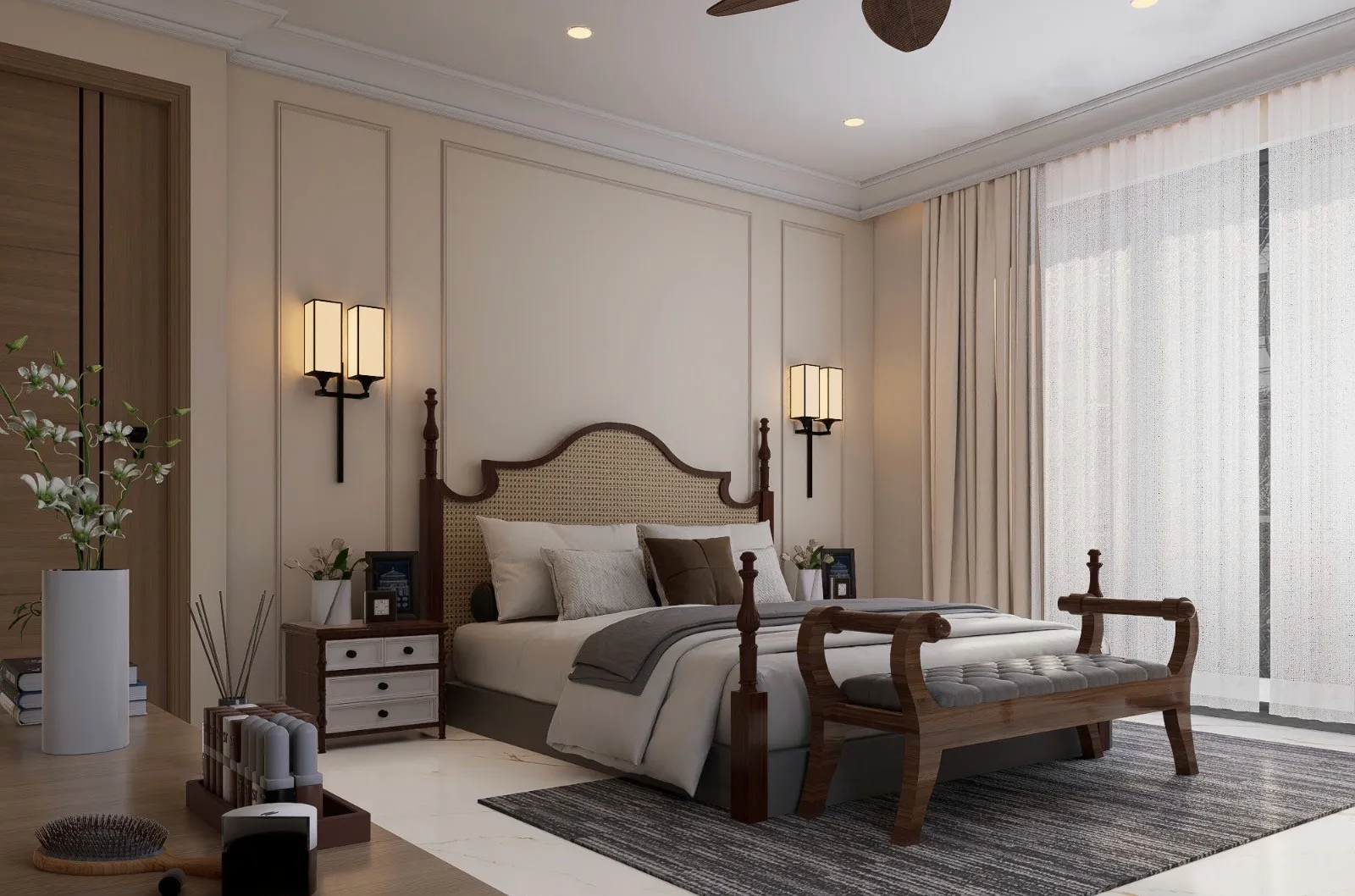
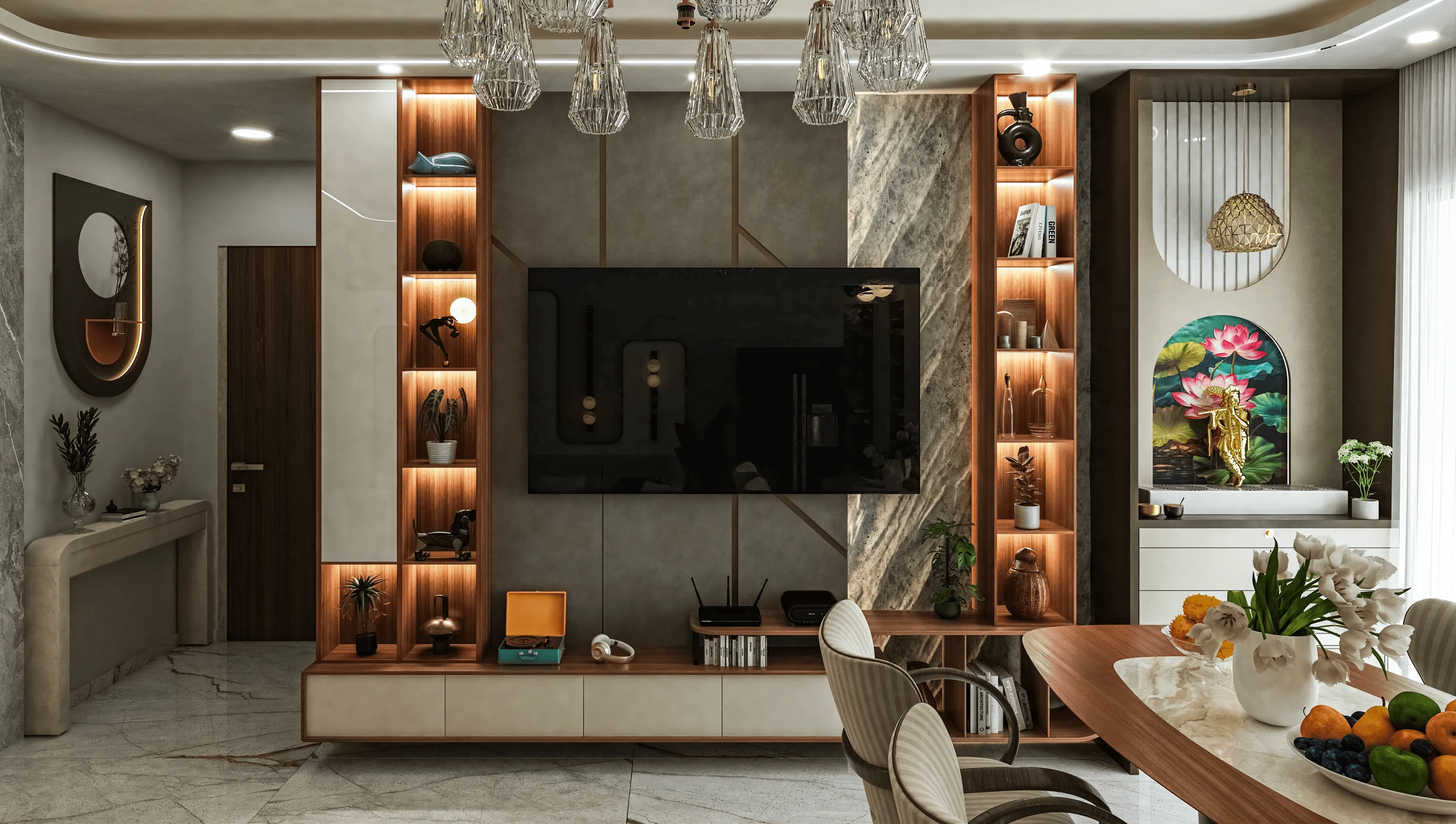
Gypsum board, sold in Kolkata largely as Saint-Gobain Gyproc or Everest boards fixed onto a GI channel framework, costs more upfront, typically ₹85 to ₹120 per square foot for a standard flat ceiling and ₹140 to ₹200 per square foot for cove designs with integrated lighting channels, but the manufacturing process is what makes the real difference in our climate. Gypsum boards are factory pressed under controlled conditions and then finished with jointing compound and tape at the seams on site, which means far less wet material is introduced into your home during installation compared to POP, and the boards themselves come pre-treated for moisture resistance in most reputed brands' standard range, with fully moisture-resistant (MR) boards available at a further premium for kitchens and bathroom-adjacent ceilings. In the New Town and Rajarhat projects where we have specified gypsum over the past several years, the boards have consistently outperformed POP on crack resistance because the jointing tape at the seams flexes slightly with humidity-driven expansion and contraction rather than transmitting stress straight through a monolithic plaster surface. The framework matters just as much as the board here, and we insist on galvanized iron channels rather than wood battens for the substructure, because wood battens in Kolkata's humidity eventually warp, and a warped batten telegraphs straight through to the gypsum surface as a visible ripple within two to three years.
PVC False Ceiling: Where It Genuinely Wins and Where It Falls Short
PVC panel ceilings have become popular for budget bathrooms, utility balconies and small kitchens because they are the cheapest option by a wide margin, running roughly ₹45 to ₹70 per square foot including the aluminum or PVC support grid, and unlike POP or gypsum, PVC is completely unaffected by moisture because the panels are essentially waterproof plastic extrusions that neither absorb water nor support mold growth the way a paper-faced gypsum board can if it is ever exposed to standing moisture. For a compact bathroom in a Salt Lake apartment or a servant's washroom in a Rajarhat villa where the ceiling sees direct steam and splash exposure daily, PVC is genuinely the most sensible material on cost and performance both, and we specify it routinely for exactly those spaces. Where PVC falls apart, sometimes literally, is in larger living and dining spaces, because the panels have visible joint lines every eight to twelve inches that read as cheap under any kind of accent lighting, the material yellows visibly under prolonged sun exposure through west-facing windows within three to four years, and PVC simply cannot support the kind of layered cove lighting or curved gypsum drops that define a proper interior scheme for a formal living room. We have seen homeowners in Action Area I try to save money by running PVC through an entire 3BHK, only to call us within two years asking how to redo the living room ceiling because the seams had become an eyesore against their new furniture.
Cost and Durability Compared Side by Side
Putting three actual project quotes side by side from our recent work gives a clearer picture than percentages alone. A 250 sq. ft. living and dining ceiling done in POP with a single cove for indirect lighting came to roughly ₹28,000 in New Town including labor, and by year four the client was already seeing joint cracking near two AC vent locations. The same footprint in gypsum board with a GI channel frame and an MR-rated board near the kitchen pass-through cost approximately ₹42,000, and a similar installation we did four years ago in Rajarhat is still crack free with only the expected minor touch-up paint needed at repaint time. A 45 sq. ft. bathroom ceiling in PVC panels, by contrast, cost around ₹2,700 in a recent Salt Lake project and has shown zero moisture damage after eighteen months of daily use, which is exactly the outcome PVC is built for. The pattern that holds across our project history is straightforward: POP saves money today and costs you a redo in five to seven years in humid Kolkata conditions, gypsum costs 25 to 40 percent more than POP upfront but reliably lasts ten to fifteen years with proper framework, and PVC is unbeatable value specifically in wet areas but a false economy anywhere you want a ceiling that looks considered rather than merely functional.
Repaint Cycles and the Hidden Cost Most Quotes Leave Out
One number contractors rarely mention when they hand you a ceiling quote is what it costs to maintain the finish over time, and this is where the material choice compounds. A POP ceiling needs repainting every two to three years in most Kolkata homes because the plaster surface shows dust and humidity staining faster than gypsum, and each repaint of a mid-sized living area runs another ₹8,000 to ₹12,000 depending on the paint quality, a cost that connects directly to the choices we cover in our piece on distemper versus emulsion versus texture paint costs for Kolkata walls, where the ceiling substrate actually affects which paint finish will hold. Gypsum ceilings, properly primed, typically stretch that repaint cycle to four or five years because the board surface is more uniform and less porous than plastered POP. PVC panels need no painting at all across their lifespan, which is part of what makes the total cost of ownership so favorable for wet zones even though the panels themselves eventually need full replacement rather than touch-up once they degrade, usually somewhere around the eight to ten year mark under direct sun exposure.
Where We Land on the Decision for Most Kolkata Homes
Our default recommendation for a typical 2BHK or 3BHK apartment in New Town, Salt Lake or greater Kolkata is gypsum board for every living, dining and bedroom ceiling where you want cove lighting or a layered design, because the extra ₹15,000 to ₹20,000 over a POP quote on an average apartment buys you a decade of crack-free performance rather than a redo before your child finishes primary school. PVC remains our first choice for bathrooms, utility areas and any balcony enclosure where moisture exposure is constant rather than seasonal, a decision that pairs naturally with the flooring choices we discuss in our comparison of engineered wood versus laminate flooring for Kolkata's AC-on, AC-off bedroom conditions, since both decisions come down to the same underlying question of which materials genuinely tolerate this city's humidity swings. POP still has its place for clients working with a tight budget on a rental property or a short-term flip where a five year lifespan is acceptable, but we say this plainly to every client who asks: if you are building your own home to live in for the next fifteen years, do not let a lower POP quote talk you out of gypsum in the rooms that matter.
Planning Your Ceiling Before the Rest of the Interior
If you are still finalizing your false ceiling design alongside your broader interior scope, including a wet area like a bathroom that will need its own waterproofing and tiling decisions, our detailed breakdown of a bathroom renovation cost across fittings, tiling and waterproofing in Kolkata is worth reading alongside this one, since ceiling and floor moisture strategy really should be planned together rather than as separate line items that different contractors handle in isolation. We would rather walk through your specific ceiling plan, room by room, and tell you honestly where gypsum is worth it and where PVC will serve you just as well for a fraction of the cost, than have you find out the hard way which material Kolkata's climate rejects. Reach out through our contact page and we will take a look at your layout and give you a real, itemized estimate before any plaster or panel goes up.