






Engineered Wood vs Laminate Wood Flooring: What Survives an AC-On, AC-Off Kolkata Bedroom
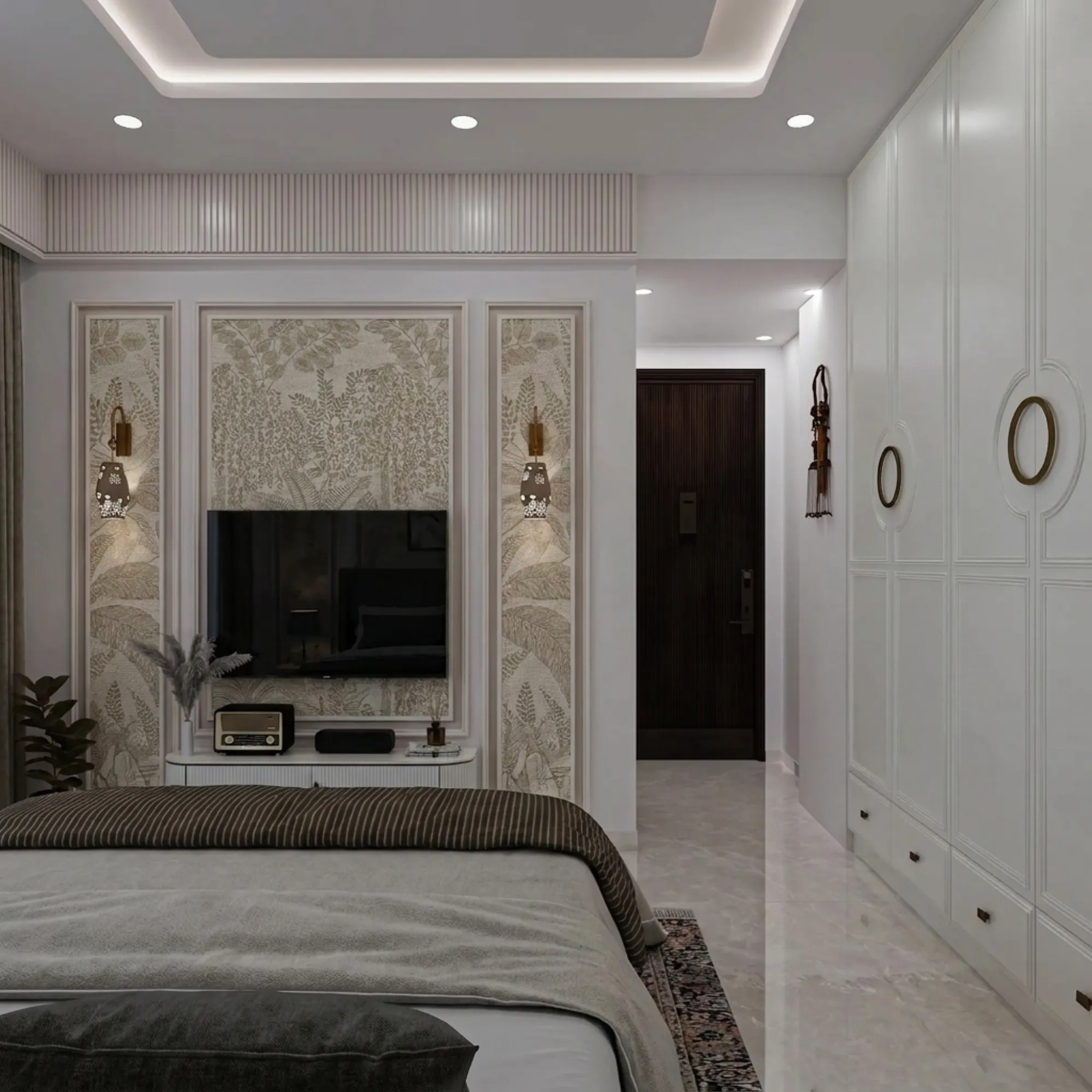
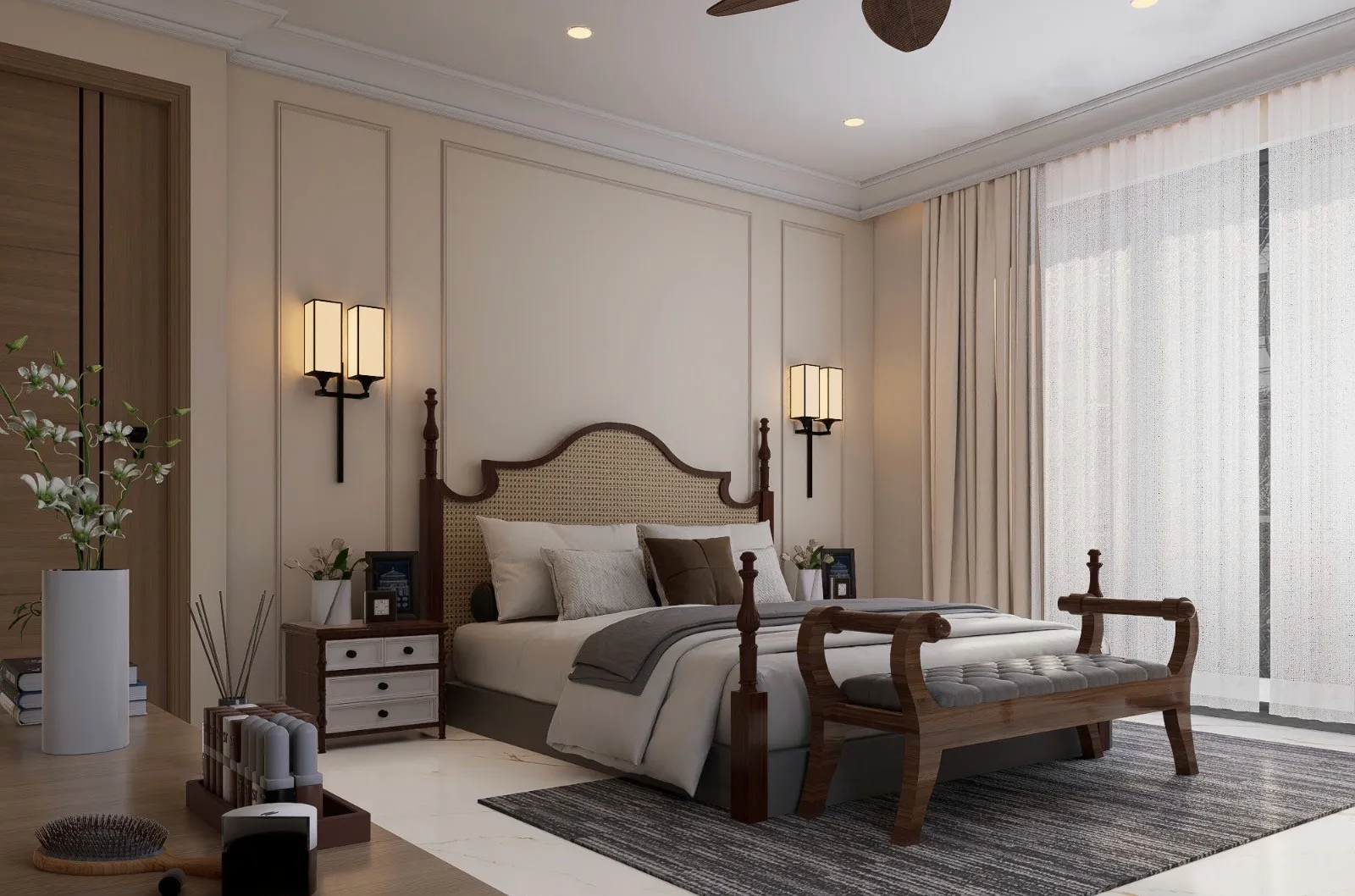
Almost every wood flooring conversation we have with clients in New Town and Salt Lake starts with the same worry, which is Kolkata's humidity, and it is a fair worry given that our ambient relative humidity sits anywhere between 70 and 90 percent for a good eight months of the year, but after installing wood flooring in well over sixty bedrooms across our decade of practice, we have come to think the humidity framing alone misses the more specific stress that actually cracks, cups, or gaps a floor, which is the daily AC cycle. A typical Kolkata bedroom with a split AC running through the night, switched off by morning, switched back on by evening, puts the floor through a swing that can move the room from 24 to 26 degrees Celsius and 55 to 60 percent relative humidity under the AC down to ambient conditions of 32 to 35 degrees and 75 to 85 percent relative humidity within an hour or two of the compressor shutting off, and it is this repeated expansion and contraction, not a single monsoon spike, that separates flooring materials that last from flooring materials that fail within eighteen to thirty months.
Why the AC Cycle Matters More Than the Monsoon Itself
Wood, whether it is the solid variety, the engineered variety, or the compressed fibreboard core inside laminate, moves with moisture content, expanding as it absorbs ambient humidity and contracting as it dries out, and every material has what is called a hygroscopic equilibrium point where it settles once conditions stabilise. The trouble in a Kolkata bedroom with intermittent AC use is that the floor never gets to stabilise, because the moment the room starts drying toward the AC's dehumidified equilibrium, the compressor switches off for the day and the material starts absorbing moisture again from the 75 to 85 percent ambient air that floods back in within the hour. Over a year that is roughly 300 to 330 expansion-contraction cycles, and over five years it adds up to more than 1,500 cycles of dimensional movement concentrated in the top few millimetres of the floor where the finish layer and the surface material actually sit, which is a fundamentally different kind of stress than the slow, seasonal swelling that flooring guides usually warn about when they talk about monsoon humidity in isolation.
The reason this distinction matters practically is that the two materials we are comparing respond to cyclical stress in structurally different ways, not just in overall moisture tolerance, and a flooring choice that tests fine in a humidity chamber for a single soak cycle can still degrade badly under repeated micro cycling, which is exactly the failure mode we have seen homeowners bring back to us for repair.
How Engineered Wood's Cross-Ply Core Handles the Swing
Engineered wood flooring is built from a real wood veneer, typically 2 to 4 millimetres thick in the products we specify, bonded over a multi-layer plywood or high-density fibreboard core where each ply runs its wood grain at 90 degrees to the layer above it, and this cross-ply construction is the entire point of engineered wood existing as a category, because a single plank of solid wood wants to expand and contract along one axis with the grain, while a cross-ply core has each layer resisting the movement of the layer beneath it. In practice this means that when the top veneer tries to expand as humidity rises after the AC switches off, the perpendicular ply directly underneath physically restrains that expansion, and the net movement at the plank level ends up a fraction of what an equivalent thickness of solid wood would show under the same swing. Across the engineered wood installations we have done in New Town flats over the past several years, most using 8 to 12 millimetre engineered boards with oak or teak veneer tops, we see gap formation at plank joints stay under half a millimetre even after three to four years of daily AC cycling, provided the installation left the standard 8 to 10 millimetre expansion gap at the room perimeter and the acclimatisation period before laying, which we hold at a minimum of 48 hours with the boards stacked flat in the actual room, was respected.
The place engineered wood can still go wrong is at the wear layer and finish, because if the top veneer is under 2 millimetres it has limited capacity to be re-sanded down the line, and if the site-applied lacquer or the factory UV-cured finish has any pinholing or thin coverage at plank edges, moisture finds its way into the core through that gap and the cross-ply resistance stops mattering because the damage is already inside the board. We have had to redo finish work on a handful of budget engineered products, mostly ones sourced without checking the veneer thickness on the specification sheet, where the client had been sold "engineered wood" on branding alone without anyone confirming what was actually inside it.
How Laminate's HDF Core Handles the Same Stress
Laminate flooring is a different animal entirely despite looking similar once installed, because there is no real wood veneer involved at all, instead a photographic wood-grain layer sits under a hard, transparent wear layer, both bonded on top of a high-density fibreboard core, and HDF is essentially wood fibre compressed under heat and resin into a dense, uniform board rather than the layered ply structure engineered wood relies on. This uniformity is actually laminate's weak point under the specific AC-on AC-off stress pattern we are describing, because HDF absorbs moisture at its edges first and does so faster than it can release it, and because there is no cross-grain layer to physically restrain that swelling, the classic laminate failure we see in Kolkata bedrooms is edge and joint swelling, where individual planks develop a slightly raised, spongy lip along the click-lock seams after a year or two of the daily cycle, most visibly right under the AC unit's direct airflow path where the swing between wet and dry is sharpest.
That said, we do not want to overstate laminate as unsuitable, because for bedrooms in Rajarhat and Salt Lake flats where budget is a real constraint, typically running 40 to 55 percent less per square foot than engineered wood in the mid-range brands we source, a laminate floor with a genuinely water-resistant or AC-grade HDF core, sealed click-lock joints, and a proper foam or cork underlay to buffer subfloor moisture transfer can perform acceptably for six to eight years before edge swelling becomes visually bothersome, which for a tenant-occupied flat or a starter home where the owner expects to renovate again within a decade is a reasonable trade. The failure mode is predictable rather than random, though, which is useful information, it shows up first at the seams nearest the AC, it shows up faster in laminate under 8 millimetres total thickness, and it shows up faster still if the installer skipped the underlay or ran the boards tight against the wall without the expansion gap.
What We Actually Specify Room by Room
For a primary bedroom that gets eight or more hours of nightly AC use, which describes the large majority of New Town and Salt Lake bedrooms we design for, we lean toward engineered wood in the 10 to 12 millimetre range with at least a 3 millimetre veneer, because the cost premium, usually working out to an additional 90,000 to 1,60,000 rupees for a 180 to 220 square foot room compared to laminate, buys a floor that we are confident holds its joint tolerances past the ten year mark with nothing more than a re-oil or re-lacquer every four to five years. For guest bedrooms, home offices converted from a bedroom, or second homes where AC runs intermittently rather than nightly, we are comfortable recommending a good laminate, and we specifically check for an HDF density rating above 850 kilograms per cubic metre on the product datasheet before we approve it for a Kolkata installation, since anything below that density tends to be the budget stock that swells first.
We also always pair the flooring decision with what sits above it, because a false ceiling with poorly sealed AC ducting can drip condensate directly onto a wood floor during the humid months, which is a failure mode entirely separate from the cycling stress we have described here but one that ruins engineered and laminate floors just as fast, and our approach to specifying the ceiling material itself is covered in more depth in Gypsum Board vs POP vs Grid Ceiling: Picking the Right Base Material Before You Talk Design, which is worth reading alongside this if your bedroom renovation is touching both surfaces at once. If your flooring questions extend past the bedroom into wetter zones like the attached balcony, the rating system tile manufacturers use for slip resistance is a completely different set of numbers worth understanding on its own, which we break down in Anti-Skid Tile Ratings Explained: What R9 to R11 Actually Means for Your Balcony. And for anyone weighing a full internal reconfiguration where a new bedroom is being carved out of existing space, the structural and cost implications are a bigger question than flooring alone, one we walked through in Splitting a 2BHK Into a 3BHK: Is It Structurally and Financially Worth It in Kolkata.
Talk to Us Before You Sign Off on a Flooring Order
If you are staring at flooring samples right now trying to decide between engineered wood and laminate for a bedroom that runs its AC every night through a Kolkata summer, we would rather walk your specific room, check which direction the AC airflow hits the floor, and measure your actual joint and expansion gap requirements before you commit to a material and a contractor, because the difference between a floor that looks fine at handover and a floor that still looks fine in year six comes down to details a showroom sample cannot show you. Reach out through our contact page and we can talk through what your room, your budget, and your AC habits actually call for.