






Distemper vs Emulsion vs Texture Paint: Real Cost Difference for Kolkata Walls

Paint is the one interior finish almost every client thinks they already understand before they walk into our studio, and it is also the one where we end up correcting the most assumptions, because the price difference between distemper and a good plastic emulsion looks enormous on a quotation sheet until you actually calculate what each one costs you over a five year window rather than a one time application. We have painted several hundred rooms across our decade of practice in New Town, Salt Lake and Rajarhat, and the pattern we see again and again is homeowners choosing the cheapest per-liter option for an internal wall that happens to share a party wall with a poorly ventilated stairwell or sit close to a bathroom, and then calling us back within eighteen months asking why their fresh paint job already looks tired. This piece breaks down what distemper, plastic emulsion and textured paint genuinely cost per square foot in Kolkata once you include primer, coverage and labor, and more usefully, how often you will actually be repainting each one given our particular climate, because that repeat cost is where the real budget decision lives.
Distemper: Cheapest Today, Most Expensive Over Five Years
Distemper remains the default recommendation from many local painting contractors simply because it is the lowest cost option on the shelf, with a typical acrylic distemper application in a Kolkata home running somewhere between ₹12 and ₹18 per square foot including primer and two coats of finish, which for an average 120 square foot bedroom wall works out to roughly ₹1,700 to ₹2,200. The problem is that distemper is a chalky, low-binder finish with relatively poor washability and weak resistance to the kind of surface moisture that Kolkata's monsoon humidity pushes through masonry walls, particularly on ground floor units and walls that face west or south where afternoon heat followed by evening humidity creates a constant expansion and contraction cycle in the paint film. We routinely see distemper walls in older Salt Lake apartments showing visible patchiness and a slightly powdery surface within two years, and in rooms adjacent to bathrooms or kitchens, faint water staining bleeds through the finish well before that. Distemper also has close to zero scrub resistance, so any wall in a corridor, near a light switch, or in a home with young children ends up looking marked and dull within a single year regardless of humidity, which means the true cost of distemper is not the ₹15 per square foot on the invoice but that number multiplied by a repaint every eighteen to twenty four months if you actually want the room to look presentable.
Plastic Emulsion: The Finish We Actually Recommend for Most Rooms
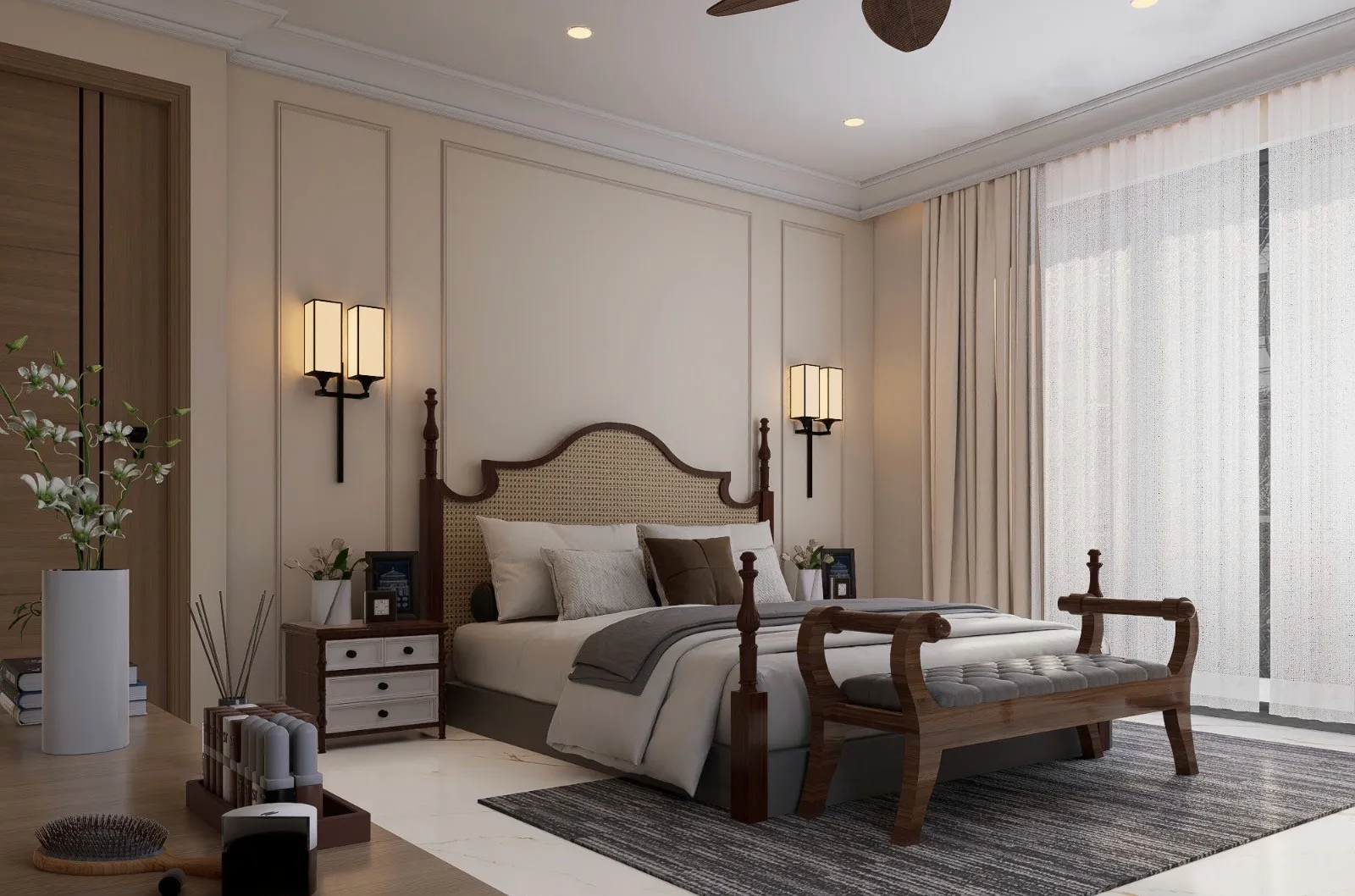
Plastic emulsion, whether a standard interior emulsion or a premium washable range from brands like Asian Paints Royale or Berger Silk, costs meaningfully more upfront at roughly ₹22 to ₹35 per square foot for a good quality application with proper primer, putting that same 120 square foot bedroom wall at around ₹2,900 to ₹4,200. What that additional ₹1,000 to ₹2,000 buys you is a paint film with far higher binder content, which translates directly into better moisture resistance, genuine scrub and wipe durability, and a finish that holds its sheen and color considerably longer under Kolkata's humidity swings. In our own project tracking across New Town and Rajarhat homes, emulsion-painted walls typically go four to five years before they need a full repaint, and even then it is usually a refresh coat rather than a full strip-and-redo, because the existing film is still structurally sound underneath. Emulsion is also the finish we insist on for any wall that sits behind furniture with limited air circulation, any wall in a room with an attached bathroom, and pretty much every wall in homes near the New Town wetlands where ambient humidity runs a notch higher than the rest of the city. Over a five year period, one emulsion application at roughly ₹3,500 for our example wall comfortably beats two distemper applications at ₹1,900 each, so the cheaper finish is not actually cheaper once you are honest about the repaint math.
Texture Paint: Where the Premium Is Justified and Where It Is Not
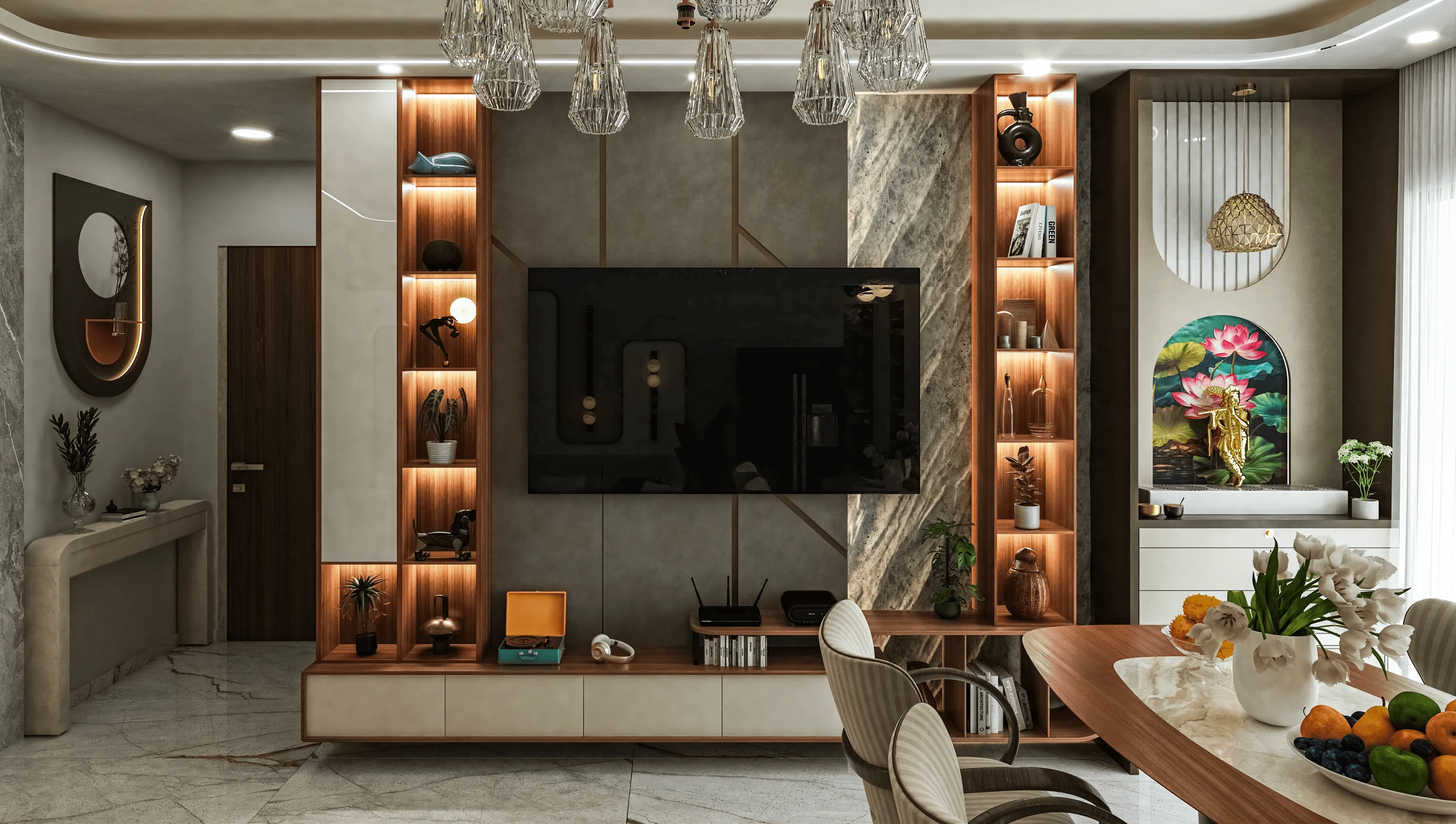
Textured paint, applied either as a roller-textured finish or a trowel-applied designer texture with a base emulsion coat underneath, is the most expensive of the three at roughly ₹55 to ₹110 per square foot depending on the complexity of the pattern and whether metallic or multi-tone effects are involved, which puts a single 120 square foot accent wall anywhere from ₹6,600 to ₹13,200. Texture paint is not really competing with distemper or plain emulsion on cost at all, since it is fundamentally a design choice rather than a base wall finish, and we specify it almost exclusively for a single feature wall in a living room or a master bedroom headboard wall rather than across an entire home, both because of the cost and because texture across every surface tends to feel visually heavy in the compact apartment layouts common across New Town and Salt Lake. Where texture paint genuinely earns its price is in disguising minor wall imperfections that are common in older Kolkata construction, since the raised pattern hides small undulations in the plaster that flat emulsion would show up under angled lighting, and because most texture systems use a heavier acrylic base that performs at least as well as premium emulsion on humidity resistance. Where it is not worth it is on walls that already need to be redone every few years due to structural dampness rather than surface wear, because no amount of texture disguises a wall with an underlying seepage problem, and we always tell clients to solve the moisture source first before spending on a decorative finish that will simply fail alongside the plain paint would have.
Coverage Numbers That Actually Matter for Your Budget
Beyond the per square foot rate, coverage efficiency changes the real cost more than most homeowners expect, because distemper typically needs two coats at minimum and sometimes a third on porous or previously unpainted plaster, while a quality emulsion with a proper primer coat often achieves full opacity and color depth in two coats even on fresh plaster, meaning you are not necessarily paying for three rounds of labor even though the per-liter cost of the emulsion tin is higher. A standard 20 liter distemper bucket in Kolkata covers roughly 700 to 800 square feet for a single coat, costing somewhere around ₹3,000 to ₹4,500 depending on brand, while a comparable 20 liter premium emulsion bucket covers a similar area per coat but costs ₹6,000 to ₹9,000, and this is where the sticker shock happens at the store even though the finished, coated wall ends up costing proportionally less once labor for the extra distemper coat and the shorter repaint cycle are factored back in. We always ask our painting contractors to quote by finished square footage of coated wall rather than by tin, specifically so clients can compare apples to apples rather than being swayed by a cheaper-looking bucket price.
Where Cheap Paint Becomes an Expensive Mistake
The specific failure pattern we see most often in Kolkata homes is a client choosing distemper for budget reasons in a room that sits directly beneath a poorly sealed false ceiling joint or close to an exposed AC duct, and the moisture that seeps through those points shows up as staining and bubbling in the paint film within months rather than years, which connects directly to ceiling material choice since the wrong false ceiling system can introduce exactly this kind of localized humidity, a topic we cover in more depth in our comparison of gypsum, POP and PVC false ceiling costs for Kolkata homes. Bathrooms and kitchen-adjacent walls are the other obvious danger zone, and while emulsion is the sensible minimum there, we increasingly specify dedicated damp-resistant or exterior grade emulsion formulations on internal walls that back onto bathrooms in ground floor and older buildings across Salt Lake, because standard interior emulsion, while far better than distemper, is still not engineered for direct moisture load the way a bathroom-grade product is.
Getting the Finish Right the First Time
Our practical guidance for most clients working within a defined interior budget is to use plastic emulsion as the default finish across bedrooms, living areas and passages, reserve distemper only for spaces you genuinely expect to repaint or renovate again within two to three years such as a rental unit or a room slated for future structural change, and bring in texture paint selectively for one or two feature walls where you want a design statement rather than trying to stretch a decorative finish across an entire flat. This same logic of not cutting cost on the parts of your home that take the most daily wear applies just as much below the paint line, and our piece on the hardware that actually holds your modular furniture together makes a similar case for hinges and channels that homeowners often try to economize on without realizing the long-term cost. If a wall is prone to moisture, we also always recommend pairing the right paint finish with proper anti-skid and waterproofing choices in adjoining wet areas, something we detail further in our guide to anti-skid tile ratings for bathrooms and balconies.
Let Us Help You Pick the Right Finish, Room by Room
Every home has a different mix of dry rooms, humid corners and feature walls that deserve a bit of design flourish, and getting that mix right the first time saves you from repainting a room twice within a few years because the wrong finish was used where a slightly more resistant one was actually needed. If you would like us to walk your apartment or your under-construction home and recommend exactly which finish belongs on which wall, based on orientation, ventilation and how each room is actually used, get in touch through our contact page and we will put together a room-by-room paint plan before a single coat goes on.