








Which Action Area I Micro-Pockets Are Commanding the Highest Resale Premiums Right Now
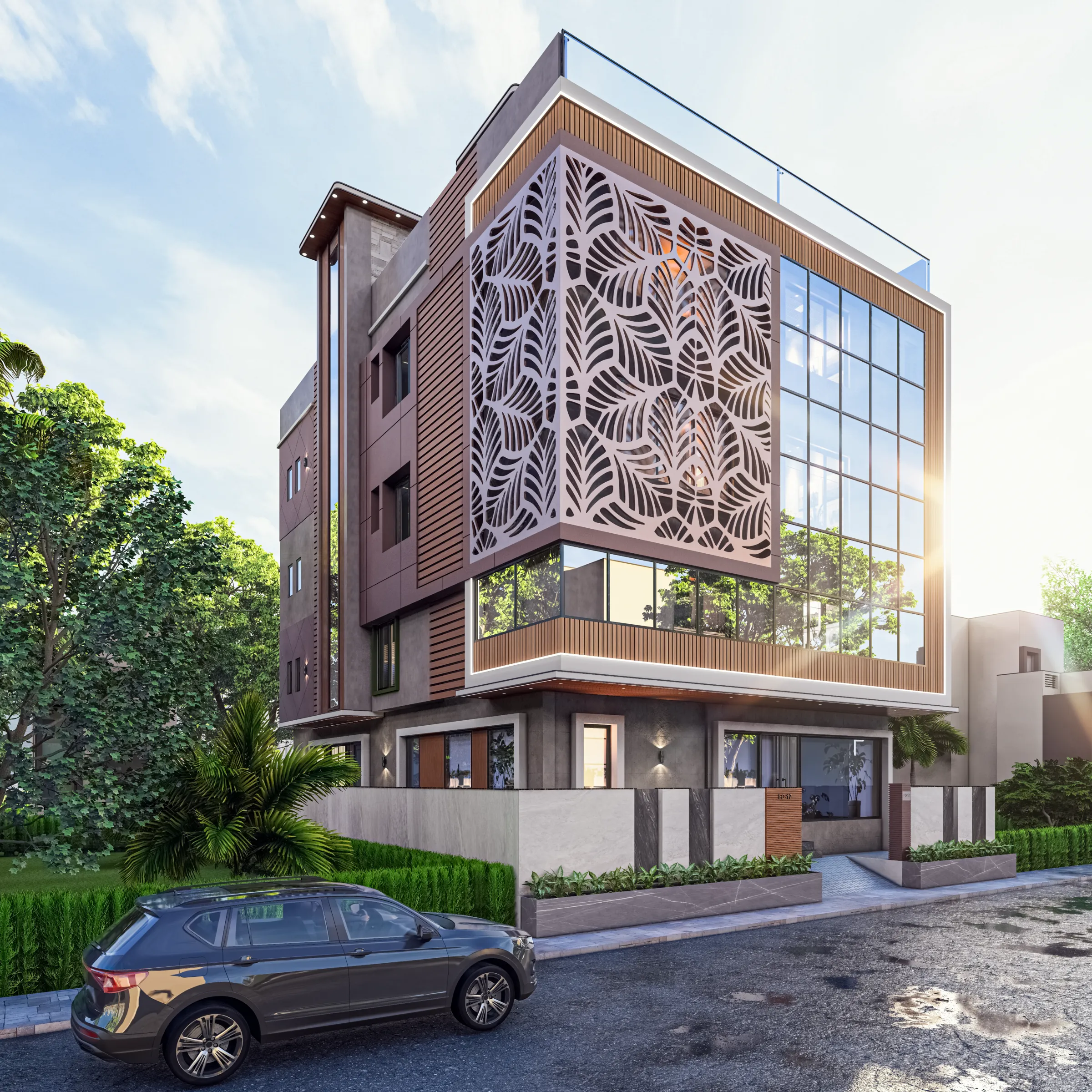
When a client tells us they are looking at resale property in Action Area I, our first question is always which block, because we have watched resale conversations in New Town happen in a way that treats Action Area I as a single market with a single trajectory, and after a decade of working on residential and interior projects across this stretch of the township, walking these blocks with clients before and after their purchases, sitting through their renovation briefs and hearing directly what they paid and what they later turned down offers at, we can say with real confidence that Action Area I's resale premiums have spread apart meaningfully rather than moved together, and the pockets closest to mature social infrastructure and established connectivity are pulling away from the pockets that are technically in the same Action Area but sit further from that infrastructure. This is not a claim we make from a spreadsheet of listings scraped off a portal, it comes from the pattern we have watched directly across our own client base, and it matters because the specific micro-pocket a resale unit sits in inside Action Area I now explains more of its price behaviour than the Action Area label itself does.
Why Action Area I Stopped Being a Single Market
Action Area I was the first of New Town's three Action Areas to be substantially built out, and because of that head start, it has had the longest runway for its internal blocks to diverge from each other based on what actually got built around them, because a block that happened to land near an early school, a functioning market complex, or a well-used stretch of the arterial road toward the airport connector had over a decade to accumulate the kind of everyday convenience that makes a neighbourhood genuinely easier to live in, while a block on the far internal side of the same Action Area, equally close on a map but without that same proximity, developed at a noticeably slower pace even though both fall under the identical Action Area I designation and the identical broad set of NKDA bye-laws we discussed in our companion piece on Action Area I vs II vs III, how building rules actually differ across New Town. Resale buyers, we have found, are far more attuned to this granularity than the Action Area label suggests, because someone spending eighty lakh to a crore and a half of their own money on a resale flat or plot is not buying an Action Area, they are buying a specific walk to a specific market, a specific commute time to a specific stretch of road, and a specific school run, and those specifics vary block to block in ways that show up directly in what sellers can actually command.
The Pockets Nearest the Airport Connector and Established Markets
The blocks in Action Area I sitting closest to the Kolkata Airport connector corridor and to the earliest, most established market and commercial complexes in the township are the ones we have consistently seen command the strongest resale premiums among our own client transactions and the renovation briefs we take on for buyers who have just closed on a resale unit here. Part of this is straightforward connectivity, a shorter, more predictable commute toward both the airport and the older parts of Kolkata via VIP Road matters enormously to the working professional demographic that dominates New Town's resale buyer pool, but a meaningful part of it is also the simple maturity of daily infrastructure, blocks here have had over a decade for local grocery, pharmacy, and everyday service options to establish themselves within comfortable walking or short-drive distance, which is precisely the kind of unglamorous convenience that buyers underweight when house hunting and overweight in regret if they end up without it. We have taken on renovation projects in this stretch where clients who bought resale units five or six years ago describe fielding unsolicited offers well above what comparable-sized units in less established Action Area I pockets are fetching today, and while we do not track formal listing data as a matter of business, the pattern across our own client conversations here has been consistent enough that we now flag it proactively to anyone asking us for a general read on where in Action Area I to prioritize a search.
The Quieter, More Internal Blocks and Why They Trail
By contrast, the more internally located blocks within Action Area I, those set back from the main arterial roads and the established market clusters, have generally shown a steadier but noticeably more modest resale trajectory in the transactions and renovation briefs we have been party to, and it is worth being precise about why, because it is not that these pockets are undesirable, several of them are genuinely pleasant, quieter, and more spacious feeling precisely because they see less through traffic and commercial footfall. The gap comes down almost entirely to the same infrastructure maturity factor working in reverse, a longer walk or drive to daily conveniences, a market or school run that takes ten more minutes than it would from a better-positioned block, and in a few pockets we have worked in, still-developing sections of internal road that were not prioritized in the same phase as the arterial connections closer to the airport corridor. Buyers looking specifically for a quieter, lower-density feel and willing to trade a slightly longer commute for it can still find real value in these pockets, and we have had more than one client deliberately choose one of these more internal blocks precisely for that trade-off, but anyone buying here purely as an appreciation play, expecting the same premium trajectory as the better-connected pockets, is working from a mistaken assumption that we try to correct early in the conversation.
What Drives the Premium Beyond Just Location on a Map
It would be an oversimplification to say proximity to the airport connector alone explains the spread, because we have also seen block-level factors within the well-positioned pockets themselves meaningfully affect resale outcomes, and the clearest of these is plot and building age relative to renovation condition. A resale unit in one of the strong Action Area I pockets that has been thoughtfully maintained or recently renovated, with updated electrical wiring, a modernized kitchen, and reasonably current bathroom fittings, commands a real premium over an equivalent unmodernized unit on the same street, sometimes enough that we have advised sellers to invest in a targeted pre-sale renovation, redoing the kitchen and one bathroom rather than a full gut renovation, because the resale premium that buyers pay for a visibly updated unit in these established pockets has, in the transactions we have seen, more than covered that renovation spend. Green cover and the presence of maintained internal parks also matter more than buyers initially expect going in, and a handful of Action Area I blocks that were planned with generous park frontage have held their resale appeal noticeably better through the years than comparably positioned blocks without that green buffer, something we point out to clients who assume a slightly cheaper unit without park frontage is simply the same deal at a discount.
What This Means If You Are Buying, Selling, or Renovating to Sell
For a buyer, the practical takeaway from everything we have described is to treat Action Area I as a set of micro-markets rather than one number, and to walk the specific block at different times of day, checking the actual walk to the nearest functioning market and the actual drive time to the airport connector during a weekday evening rather than relying on a straight-line distance on a map, because that lived experience is what is actually driving the premium we have described. For a seller sitting on a unit in one of the stronger pockets, our honest advice is that a modest, targeted renovation ahead of listing tends to pay for itself given what buyers here are already willing to pay for a well-positioned, well-maintained unit, and for anyone weighing Action Area I against New Town's other two Action Areas entirely, our piece on Action Area I vs II vs III, how building rules actually differ across New Town is the right next read, since the FAR and permissible use differences we cover there also feed into long-run appreciation potential. If infrastructure planning and forward-looking amenities factor into your decision, our piece on EV charging points in New Town homes, what NKDA's building rules currently allow is also worth a look, since we are increasingly seeing charging provisioning become a small but real differentiator among buyers in these better-positioned pockets. And if you are weighing Action Area I against Kolkata's other major planned township altogether, our companion piece on Salt Lake's Sector I, II and III, how the character of each actually differs walks through a strikingly similar block-by-block dynamic in an older, more established planned area.
Let Us Walk the Specific Block With You Before You Decide
If you have a resale unit shortlisted in Action Area I, or you are sitting on one already and weighing whether a targeted renovation ahead of a sale makes financial sense, that is exactly the kind of specific, block-level judgment call our team makes constantly given how many projects we have taken on across this exact stretch of New Town over the past decade, and we would rather walk the block with you and give you a straight read than let you buy or sell on an Action Area-wide assumption that may not hold for your particular pocket. Reach out through our contact page with the block or street you are considering and we will tell you honestly where it sits within the pattern we have described.