








Action Area III's Upcoming Zones: What to Know Before Buying in New Town's Newest Frontier
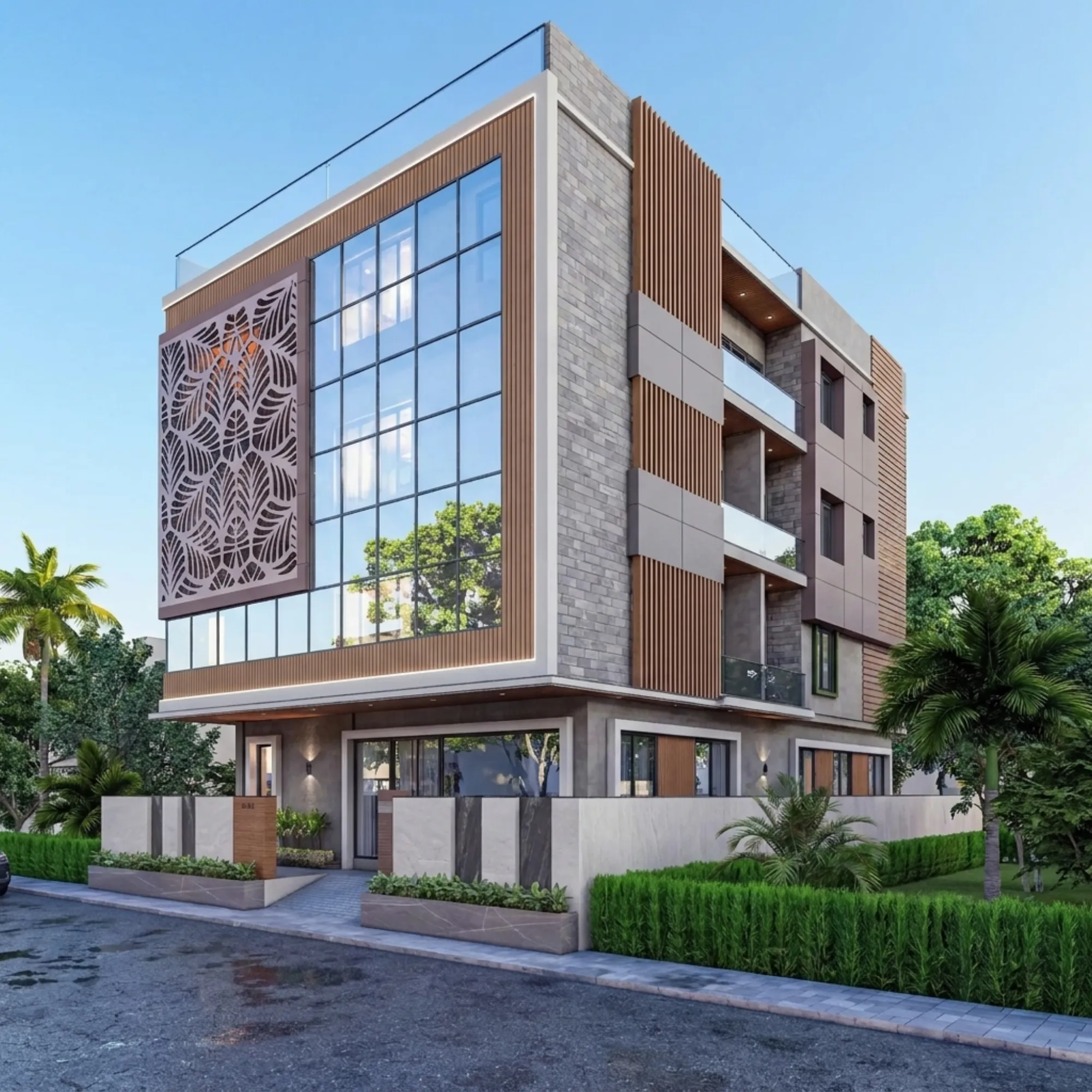
Action Area III is the zone we get the most cautious, exploratory phone calls about, from buyers who have picked up a plot on paper at a genuinely attractive price relative to Action Area I or II and want to know, before they commit to a design brief with us, whether they are buying into a neighbourhood that will feel complete in three years or one that will still feel like a construction site a decade from now, and our honest answer, built from actually visiting and assessing plots across this zone for clients over the last several years, is that Action Area III sits at a meaningfully earlier stage of infrastructure maturity than either of New Town's older action areas, which is not a reason to avoid it but is absolutely a reason to go in with realistic expectations about sequencing, timelines, and the specific design decisions that change when you are building ahead of full infrastructure rather than into it. We treat every Action Area III brief differently from a comparable one in an established block precisely because the constraints are different, and this piece is our attempt to lay out, plainly, what we tell clients in that first plot-visit conversation before any design work begins.
Where road and utility completion actually stands
Action Area III's internal road network is genuinely patchier than what you find in Action Area I or the more developed pockets of Action Area II, with primary arterial roads connecting the zone to the rest of New Town generally in a more finished state than the internal grid roads serving individual plots, several of which we have visited still running as compacted earth or partially metalled surfaces rather than the fully paved, kerbed roads a buyer coming from an established block would take for granted, and this matters practically because it affects everything from how construction material gets delivered to your site to how comfortably you can actually show the plot to family during the rainy season without everyone's shoes ending up caked in mud. Utility connections follow a similar pattern of partial completion, with underground drainage and sewerage infrastructure present along some stretches and still pending along others, and piped water supply availability varying block to block in a way that means the specific plot you are considering, not just the general Action Area III label, determines what you are actually connecting into, so the first thing we do on any Action Area III site visit is walk the plot boundary with the client and physically trace back to the nearest live utility connection point rather than assuming the master plan's intended infrastructure is already in the ground, because in more than one case we have found the nearest functioning sewer connection to be a longer, costlier lateral run than the plot's marketing materials implied. Electricity supply is generally the most reliably present of the core utilities across the zone, with transmission infrastructure having reached most of Action Area III ahead of the road and drainage work, though even here we recommend clients budget for a properly sized DG set from day one rather than assume grid reliability will match an established block, a point we go into in more depth in our piece on power backup planning for New Town homes and why DG sets are still non-negotiable, which applies with even more force in a zone where the grid itself is newer and less proven under sustained load.
The realistic construction timeline risk of building now
Building in a zone with incomplete surrounding infrastructure introduces a specific category of timeline risk that has nothing to do with your own construction schedule and everything to do with what is happening, or not happening, around your plot while you build, and we walk every Action Area III client through this before finalising a construction start date. The most immediate risk is material access, since a house-building project depends on a steady, predictable flow of cement, steel, brick, and sand deliveries, and on internal roads that are not yet fully paved, monsoon-season access can become genuinely unreliable, with heavy vehicles struggling on saturated earth roads in a way that simply does not happen once a road is properly metalled and kerbed, so we now build a deliberate buffer into Action Area III construction schedules for the monsoon months, typically slowing or pausing heavy material-dependent phases like the structural concrete pours during the peak rainy period rather than fighting delivery logistics that the surrounding infrastructure cannot yet reliably support. The second risk is utility connection timing, because if your plot's piped water or sewerage connection is still pending official completion by HIDCO or the relevant authority, your building's internal plumbing design has to accommodate an interim arrangement, commonly a larger underground sump with borewell backup and a properly sized septic or interim holding system, that you would not need to design for on a plot with an already-live connection, and retrofitting a permanent connection into a completed house later is more disruptive and costly than designing the interim system properly from the outset with the eventual connection point already planned into the plumbing layout. The third, and the one we push back on most often when clients want to skip it, is simply verifying current infrastructure status directly with the authority rather than relying on what a broker or the original sale documentation described, because master plans for a developing zone are aspirational documents describing an intended end state, and the gap between that intended state and what is actually complete on the ground today can be substantial depending on which specific block and road you are on.
What this means for how we actually design an Action Area III home
Given these realities, our design approach for an Action Area III client leans more conservative and more self-sufficient than what we would specify for an equivalent home in an established block, starting with water security, where we typically recommend a larger sump capacity and a properly drilled borewell as a genuine backup source rather than a token gesture, because a zone still completing its piped water rollout cannot be relied upon for consistent supply in the way an established block can. We also tend to specify more generous on-site rainwater management, both because NKDA norms require it and because a developing zone's stormwater drainage infrastructure is itself often still catching up, so a plot that handles its own runoff well is protecting itself against localised waterlogging that a fully developed storm drain network would otherwise absorb. On the construction sequencing side, we build in more contingency time than we would quote for an equivalent Action Area I project, being upfront with clients that an eight-month structural timeline in an established block might realistically run nine to ten months here purely due to material logistics during the monsoon window, and we would rather set that expectation honestly at the outset than have a client feel blindsided by a delay that was, in truth, predictable given the zone's current state.
Weighing Action Area III against buying into an established block instead
For buyers still deciding whether the price advantage of Action Area III is worth the infrastructure and timeline trade-off, it is worth comparing it honestly against what an established block actually offers, and our comparison of CB Block, DA Block, and EE Block on the criteria that matter for daily living lays out what you get in exchange for the higher entry price in those more settled pockets. If your search is also weighing an older colony against a newer zone, our piece on Jalvayu Vihar's retrofit realities as one of New Town's oldest developed colonies sits at the opposite end of the same trade-off, ageing construction against unfinished infrastructure, and reading both alongside this piece tends to help buyers see New Town's full development spectrum clearly rather than evaluating Action Area III in isolation. It is also worth understanding the FAR and premium floor area purchase mechanics that apply across all of New Town's action areas, which we cover in our explainer on how HIDCO's extra-FAR fee structure actually works, since the ability to buy additional buildable area matters just as much on an Action Area III plot as anywhere else in New Town, and knowing that mechanism before you finalise a design brief with us means the massing we propose can account for it from the start rather than being redrawn later. Families specifically weighing schools and commute distance as part of this decision may also find our comparison of Salt Lake against New Town on schooling and commute trade-offs useful, since a developing zone like Action Area III changes that commute and school-access calculation in ways an already-settled block does not.
Building in Action Area III with your eyes open
If you already hold a plot in Action Area III, or you are still deciding whether the price advantage justifies building ahead of full infrastructure completion, we would rather visit the specific plot with you and verify its actual current road and utility status before you commission any design work, because the right brief for a plot with a live water connection and a paved approach road looks meaningfully different from the right brief for one still waiting on both, and getting that assessment right at the outset is what keeps a genuinely promising Action Area III project from becoming a frustrating one, so reach out through our contact page with your plot's block and khatian details and we will tell you plainly what we find when we walk it.