








CB Block vs DA Block vs EE Block: A Resident's-Eye Comparison of New Town's Established Blocks
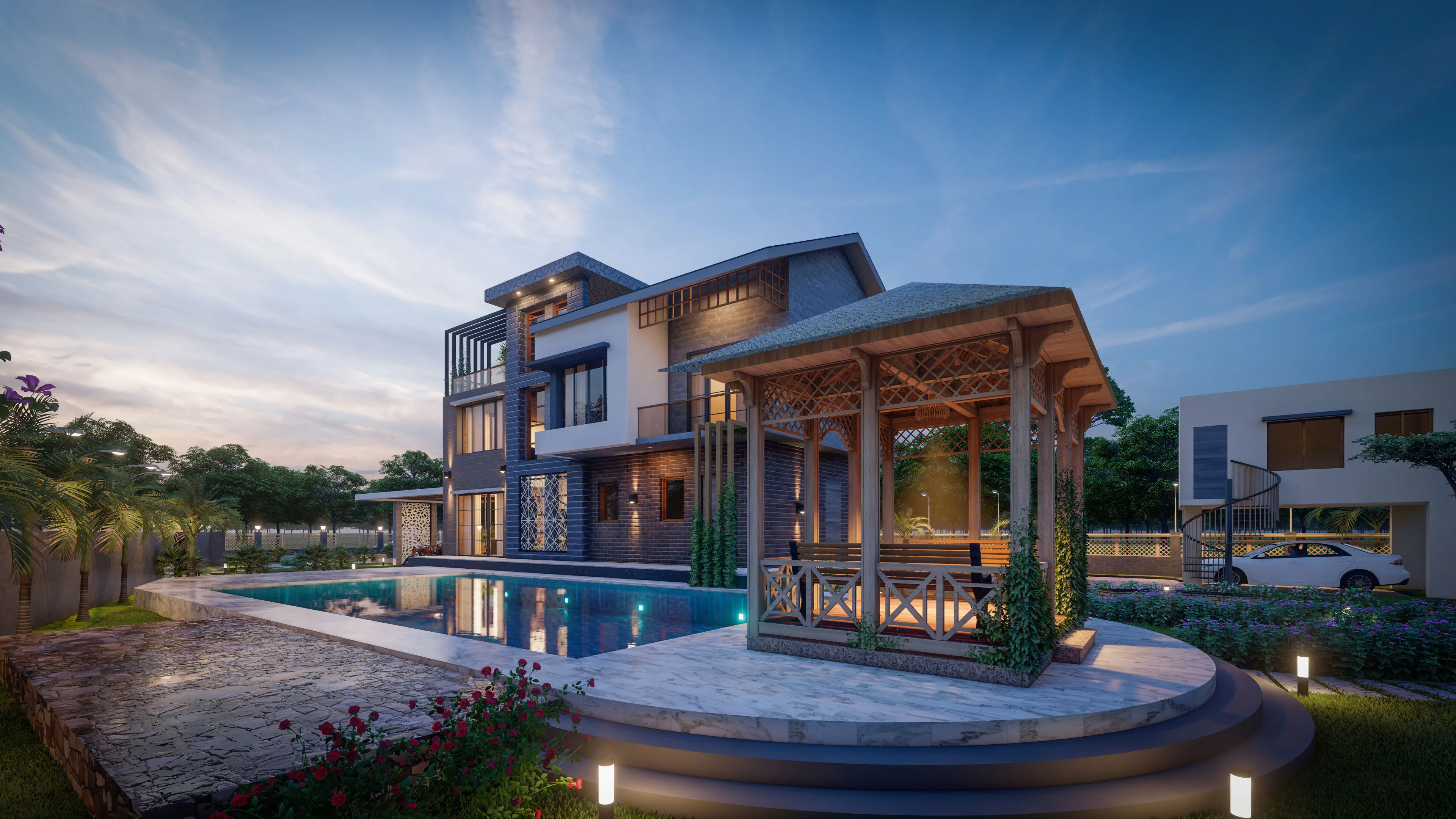
Every few months a client sits across our table in New Town with two or three block names circled on a printed map and asks us, quite reasonably, which one they should actually buy into, and while we cannot tell anyone where to put their money, we can tell them what a decade of designing and renovating homes across CB Block, DA Block, and EE Block has taught us about how each of these three older, well-settled pockets actually lives day to day, because the difference between a block that looks identical to its neighbour on the master plan can turn out to be the difference between a five-minute walk to your children's school and a fifteen-minute drive through traffic that backs up every evening near the Akankha and Eco Park junctions. These three blocks share a lot on paper, all developed in New Town's earlier phases, all predominantly residential with the low-rise plotted housing that gives this part of Action Area I its particular character, and all now old enough that we are as often called in for renovation work as for fresh construction, but the lived experience of each is shaped by three things that rarely show up in a listing, how close you actually sit to daily market access, how the plot sizes and setback patterns were laid out when the block was first developed, and what that means for the kind of build quality you inherit if you are buying an existing house rather than a vacant plot.
CB Block: dense, walkable, and older in its bones
CB Block sits toward the inner core of the older New Town grid, and what strikes most of our clients when we first walk a plot there is how compact the block feels compared to some of the newer sectors further out toward Action Area II, with plot sizes that tend to run smaller, commonly in the 2.5 to 4 katha range rather than the larger holdings you find in blocks developed a phase or two later, which produces a genuinely walkable neighbourhood where a resident can reach a reasonable spread of daily-need shops, a pharmacy, and small eateries within a five to ten minute walk rather than needing the car for every errand. This density is CB Block's biggest practical advantage and also the source of most of the renovation calls we get from there, because the same compact plotting that makes the block walkable also means houses sit closer together with tighter side setbacks than we see in more recently developed pockets, so when a client wants to add a floor or extend a rear wing, the very first thing we check is whether the existing structure was built to the setback norms in force at the time, since some of the earliest CB Block houses predate the setback and ground coverage rules that later phases were held to, and squeezing a compliant addition onto an already tight footprint takes more careful massing than clients usually expect walking in. Market access is where CB Block genuinely earns its reputation among long-time residents, sitting close enough to the established commercial stretches that a daily vegetable run or a last-minute grocery trip rarely eats more than fifteen minutes round trip, and for families who have lived here since the block's earlier years, that proximity is the single reason most give us for not wanting to move even as newer, more spacious blocks have opened up further out.
DA Block: the middle ground on plot size and school proximity
DA Block, a short distance away, reads as the more comfortable middle option in almost every comparison we run for clients, with plot sizes that typically land in the 3 to 5 katha range, giving homeowners noticeably more room to work with for a proper garden strip, a covered car porch, and the kind of side setback that lets us design in natural cross ventilation without the neighbouring wall sitting uncomfortably close to a bedroom window. What consistently comes up when we design for DA Block families is school proximity, since the block sits within a genuinely manageable radius of several of the schools that New Town families rely on, and we have had more than one client specifically choose DA Block over a comparable plot elsewhere because the school run for their children dropped from a twenty-minute car journey to something closer to a ten-minute walk or a short auto ride, which matters more to daily quality of life than almost any single design decision we make inside the house itself. Build quality across DA Block's older housing stock tends to be a step ahead of what we typically find in the earliest CB Block construction, in part because DA Block's development phase came slightly later and benefited from tighter enforcement of NKDA's building norms by the time most of its houses went up, though we still routinely find water seepage at terrace parapets and undersized bathroom drainage slopes in houses built in the block's first decade, the kind of defects that a competent renovation can correct without touching the structural frame, which is usually the news our clients most want to hear when they come to us worried that an older DA Block house might need a full rebuild.
EE Block: lower density, larger plots, and a quieter daily rhythm
EE Block sits at something of an opposite pole to CB Block on the density question, with plot sizes running larger on average, frequently touching 4 to 6 katha and occasionally beyond on corner plots, which gives EE Block its distinctly quieter, lower-density character and makes it the block we most often recommend to clients who explicitly tell us they want more breathing room around the house itself, a proper Vastu-compliant garden orientation, or space for a home office wing separate from the main living block, all of which are far easier to design well when the plot itself is generous rather than fighting for every square foot against a tight setback. The trade-off, and we say this plainly to every client weighing EE Block against CB or DA, is that this lower density pushes daily market access further out, so residents here typically drive or take a short auto ride for anything beyond the most basic convenience store run, and while that is a fair trade for many families prioritising space and quiet over walkability, it is worth being honest with yourself about before you commit, because we have designed beautiful, spacious homes in EE Block for clients who then told us six months in that they underestimated how much they would miss being able to walk to a market in the evening. Build quality in EE Block's existing housing stock is generally solid, reflecting both the block's marginally later development phase and the fact that larger plots gave original builders more room to follow setback and ventilation norms without compromise, though the larger plot sizes also mean EE Block sees more genuinely large-scale renovation and extension work from us, families adding a full second wing or converting a ground floor car porch into livable space, projects that a tighter CB Block plot simply could not accommodate.
How we actually walk clients through the choice
When a client asks us to help them decide between these three, we do not hand over a scorecard, we ask what their daily life actually looks like, because the right answer genuinely depends on whether you are a family with young children who value a five-minute school walk over square footage, in which case DA Block usually wins the conversation, or a household that wants to be able to step out for evening groceries without touching the car, which tends to point toward CB Block despite its tighter plots, or a family prioritising a large private garden, a Vastu-aligned layout with room to actually honour it, and quiet over convenience, which is where EE Block consistently comes out ahead. Plot density also shapes what kind of design brief we can deliver, since a compact CB Block plot demands a tighter, more vertically organised layout where every setback inch is negotiated carefully, while an EE Block plot gives us room to spread the program horizontally and design a more relaxed, single-level-feeling home even within a multi-storey structure, and we have found that clients who go in expecting one block to behave like another are usually the ones who end up disappointed with a design that technically works but never quite fits how they actually wanted to live.
Power backup and infrastructure realities across all three
One thing that does not vary much between CB, DA, and EE Block, and that we flag to every client regardless of which one they choose, is that grid power reliability across New Town's older residential blocks still makes a dedicated backup solution a practical necessity rather than a luxury add-on, a subject we have covered in detail in our piece on power backup planning for New Town homes and why DG sets are still non-negotiable, and it is worth reading before you finalise a plot in any of these three blocks, because the electrical load planning for a DG set connection needs to be built into the house design from day one rather than retrofitted after possession. If you are weighing one of these established blocks against New Town's older residential colonies more broadly, our look at Jalvayu Vihar's retrofit realities is a useful companion read for understanding how age of construction plays out over a decade or more, and if your search is spilling over into Salt Lake as well, our piece on designing around Salt Lake's mature trees under BMC's protection rules covers a constraint that simply does not apply in New Town's younger, more recently planted blocks.
Choosing your block, then choosing us to build in it
If you have narrowed your search to one of these three blocks, or you are still weighing all of them against each other with a specific plot number in hand, we would rather look at the actual survey drawing and the block's current setback enforcement with you before you sign anything, because the right design brief for a CB Block plot is genuinely different from the right brief for an EE Block one, and getting that starting point wrong costs far more to correct later than it does to get right at the outset, so reach out through our contact page with the block and plot size you are considering and we will walk you through what we would actually design there.