








Buying in an Under-Construction New Town Pocket: The Infrastructure Risk Checklist
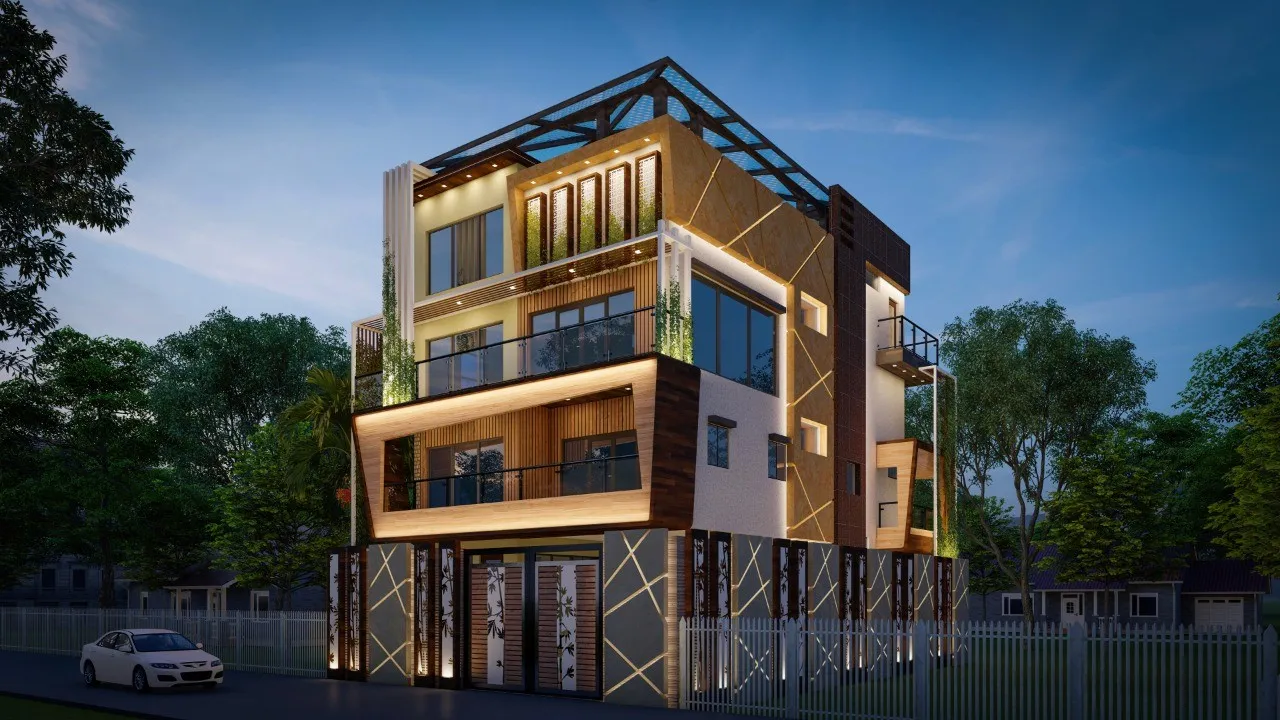
A good number of the clients who bring us plots in New Town's newer, still-filling-in pockets are chasing the same logic, that land in a block where roads are half paved and only a handful of neighbouring plots have anything built on them costs meaningfully less per katha than an equivalent plot in an established Action Area I block with mature roads, working drainage, and a settled neighbourhood around it, and that logic is not wrong, early movers in New Town's earlier phases genuinely did see their land appreciate substantially once infrastructure caught up around them. What we always tell these clients, though, is that the discount you get for buying early in a developing pocket is compensation for a real and specific set of risks, not free money, and the difference between a developing pocket that resolves smoothly over eighteen months and one that drags on with half-built roads and patchy drainage for years longer than anyone expected usually comes down to a handful of concrete, checkable facts about HIDCO's committed infrastructure timeline for that exact block, facts that a broker's verbal assurance is not a substitute for and that we insist on verifying before we let a client commit design time, let alone construction budget, to a plot in this category.
Why Infrastructure Sequencing in New Town Is Uneven by Design
New Town was never built as a single simultaneous rollout, it has always progressed in phases and pockets, with HIDCO prioritising road, drainage, water supply, and electrical infrastructure in some blocks well ahead of others based on a mix of planning priority, land acquisition progress, and which developers and government allocations were moving fastest in a given sector, and this uneven sequencing is exactly why some blocks in even the newer Action Area III sections have full infrastructure years before neighbouring blocks a short drive away are still working through basic road paving. This is not a flaw in New Town's planning so much as an inherent feature of building a township this large in phases, but it means the specific block your plot sits in matters enormously more than the general Action Area it belongs to, and two plots that look similarly positioned on a map can be at completely different points in their infrastructure timeline depending on which specific pocket HIDCO has prioritised for the current development phase. We have seen clients assume that because a plot sits within an Action Area that is broadly described as developed, their specific block must also be developed, only to find during our site visit that basic drainage connections were still pending for their exact street, a gap that only becomes obvious once you check the block-specific status rather than the Action Area's general reputation.
The HIDCO Checklist We Actually Run Before Recommending a Developing Pocket
Before we tell a client whether a developing pocket is a reasonable bet, we work through a specific set of verifications with HIDCO and NKDA rather than relying on what the seller or broker tells us, and the first and most important of these is the road completion status for the exact stretch fronting the plot, not the general area, because a plot's access road being unpaved or only partially paved has direct consequences for everything from construction vehicle access during the build to your daily commute for years afterward if the completion timeline slips. Second, we check the drainage and sewerage connection status specifically, because a plot without a confirmed, connected drainage line is not simply an inconvenience, it can mean your household waste and stormwater have nowhere functional to go until the trunk line reaches your block, forcing either a costly temporary arrangement or, in the pockets we have seen this go worst, standing water problems during monsoon that a completed drainage network would have prevented entirely. Third, we verify the electrical supply infrastructure, specifically whether a permanent transformer and distribution network already serves the block or whether current connections are running off temporary or shared arrangements that were never designed for the eventual full load once every plot in the pocket is built out and occupied, because a temporary supply that works fine when three houses in a forty-plot block are occupied can become genuinely strained once that block fills up, and retrofitting adequate permanent capacity after the fact is a slower and more disruptive process than most buyers expect. Fourth, we ask specifically about piped water supply connection status and, where piped supply is not yet live, what the interim arrangement is and how reliable it has proven for the handful of households already occupying the pocket, because groundwater dependency in a pocket that was planned around eventual piped supply can mean dealing with a water table and quality profile the original planning never optimised for as a long-term solution.
Reading HIDCO's Committed Timeline Versus the Actual Ground Reality
The single most useful, and most consistently underused, verification step is asking HIDCO directly for the committed infrastructure completion timeline for the specific block, because HIDCO does maintain phase-wise development schedules, and while these schedules are not infallible and timelines in any large infrastructure project can and do slip, a documented committed timeline is a fundamentally different piece of information than a broker's estimate of when things will be finished, and we have found HIDCO's planning office generally willing to share this information when asked directly and specifically rather than in general terms. What we tell clients to do alongside checking the documented timeline is to physically walk the pocket and compare what they see on the ground against that timeline's current phase, because a meaningful gap between what was supposed to be complete by now and what is actually complete on site is the single clearest warning sign we know of that a given pocket's infrastructure rollout has fallen behind its own schedule, and a pocket that is running behind its committed timeline by a year or more when you are evaluating it is a real risk to price into your decision rather than dismiss as a temporary lag that will surely catch up soon. We also always recommend talking to at least two or three households who have already built and moved into the pocket, because their lived experience of how long drainage actually took to connect, how reliable the electrical supply has actually been, and how road access held up during the last monsoon tells you more in a twenty minute conversation than most documentation will.
How This Should Shape Your Design and Construction Sequencing
If, after working through this checklist, a developing pocket still looks like a reasonable bet, which it often is, particularly for buyers with a longer time horizon who are comfortable trading some near-term inconvenience for the land appreciation that has historically followed New Town's earlier-phase pockets once infrastructure caught up, we adjust the design and construction sequencing to account for the specific gaps identified rather than proceeding as though the plot sits in a fully serviced block. This can mean specifying a more robust temporary or standalone water storage and treatment provision than we would on a fully serviced plot, sizing electrical infrastructure and backup provisions with the block's eventual full-occupancy load in mind rather than just current demand, and being deliberately conservative about construction vehicle access planning if road paving is still pending, since a heavy material delivery schedule that assumes a paved access road can run into real delays if that road is still under construction when your build starts. This overlaps meaningfully with considerations we cover in our piece on the extra setback rules for plots adjoining New Town's canals and water bodies, since developing pockets near the township's drainage and retention infrastructure carry both sets of considerations simultaneously, and if EV charging is part of your electrical planning for a new build in a developing pocket, our piece on what NKDA's building rules currently allow for EV charging points in New Town homes is worth reading alongside this checklist since electrical capacity planning touches both questions. For anyone weighing a fresh New Town build against retrofitting an older Salt Lake flat instead, our piece on adding split ACs to a Salt Lake flat built before air conditioning was standard offers a useful contrast in how infrastructure-era mismatches show up in a completely different housing context.
Bring Us Your Shortlisted Pocket Before You Commit
If you are weighing a plot in a New Town pocket that is still filling in around you, we would rather spend an afternoon walking the block with you and pulling HIDCO's actual infrastructure status before you sign than help you design a house for a plot whose road, drainage, or power situation turns out to be years behind what you assumed. Send us the block and plot details through our contact page and we will work through this checklist with you directly, plainly telling you what is genuinely ready, what is realistically still a year or two out, and how we would sequence your build around whichever gaps remain.