






How to Fix a North-Facing Flat That Feels Dark and Damp Through Kolkata Winters
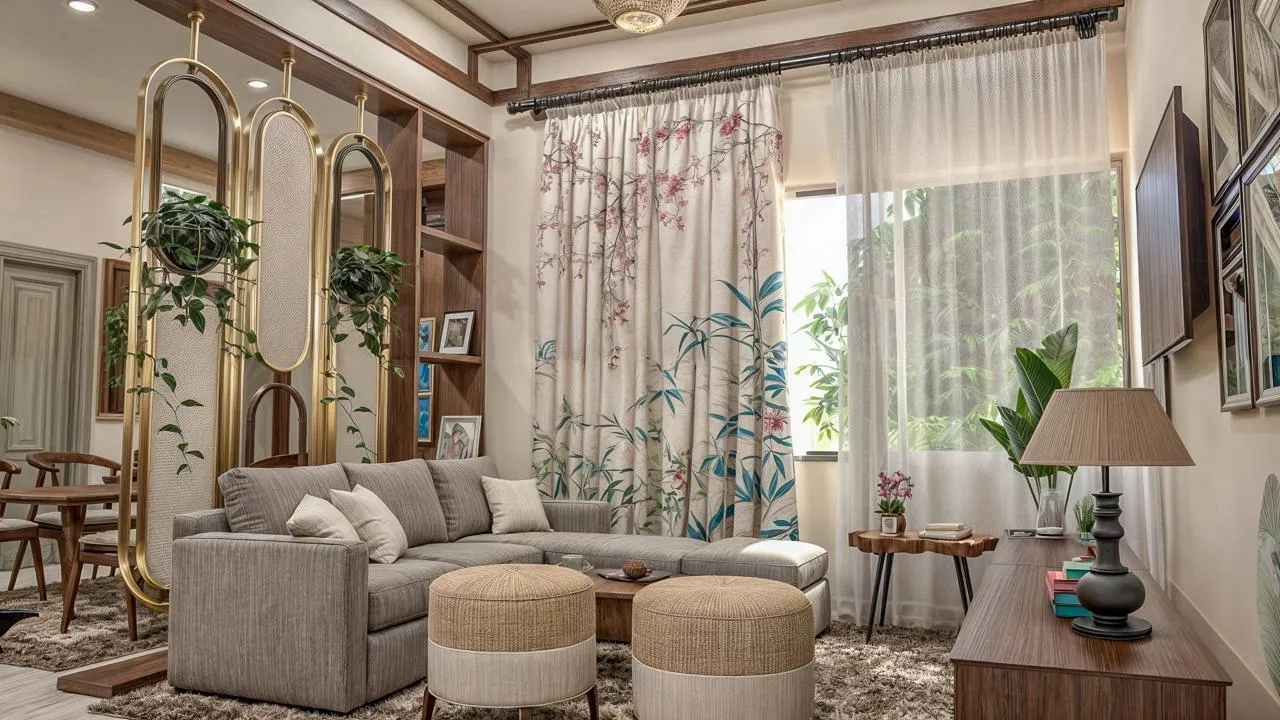
Every year from late November through February we get the same call from owners of north-facing flats across New Town and Salt Lake, usually phrased some version of "the flat feels fine most of the year but through winter it just sits dark and a bit damp no matter how much I clean it," and the honest answer is that the complaint is entirely physical rather than something they are imagining, because a north-facing aspect in Kolkata's latitude receives no direct sun at all through the low winter months, only indirect skylight, and indirect skylight in winter carries a fraction of the intensity and none of the warming effect that a south or east-facing room gets even on an overcast day. The sun's arc sits low and to the south through Kolkata's winter, so a north-facing balcony or window that would catch reasonable bounced light in the monsoon or summer months, when the sun tracks higher and further around, ends up looking directly out at shadow for most of the day between roughly mid-November and mid-February, and that drop in both light level and radiant warmth is what produces the dim, slightly chilly, faintly damp feeling residents describe, especially in flats on lower floors that are also partially shaded by the next block.
Why This Is a Winter-Specific Problem, Not a Year-Round Design Flaw
We want to be precise about this because it changes what fix actually makes sense: a north-facing flat is not badly designed, it simply behaves differently across the year in a way that most buyers do not think through at the time of purchase, since a site visit done in April or during the monsoon can look perfectly bright, and the same flat in January can feel like a different apartment entirely. The physics is that north light is famously flat and cool in colour temperature, which is why artists' studios have traditionally been built to face north for consistent, glare-free illumination, but that same consistency becomes a liability in winter when the total quantity of light drops sharply and there is no direct beam at any point in the day to lift the room's brightness or add warmth. Add Kolkata's winter humidity, which stays higher than most people expect even in the "dry" season, generally sitting in the 55 to 70% range through December and January, and a room that gets little direct sun to help evaporate residual moisture off walls and floors will read as both dim and faintly damp even without any active leak or seepage issue.
Fixing It With Reflected Light Rather Than Chasing Direct Sun
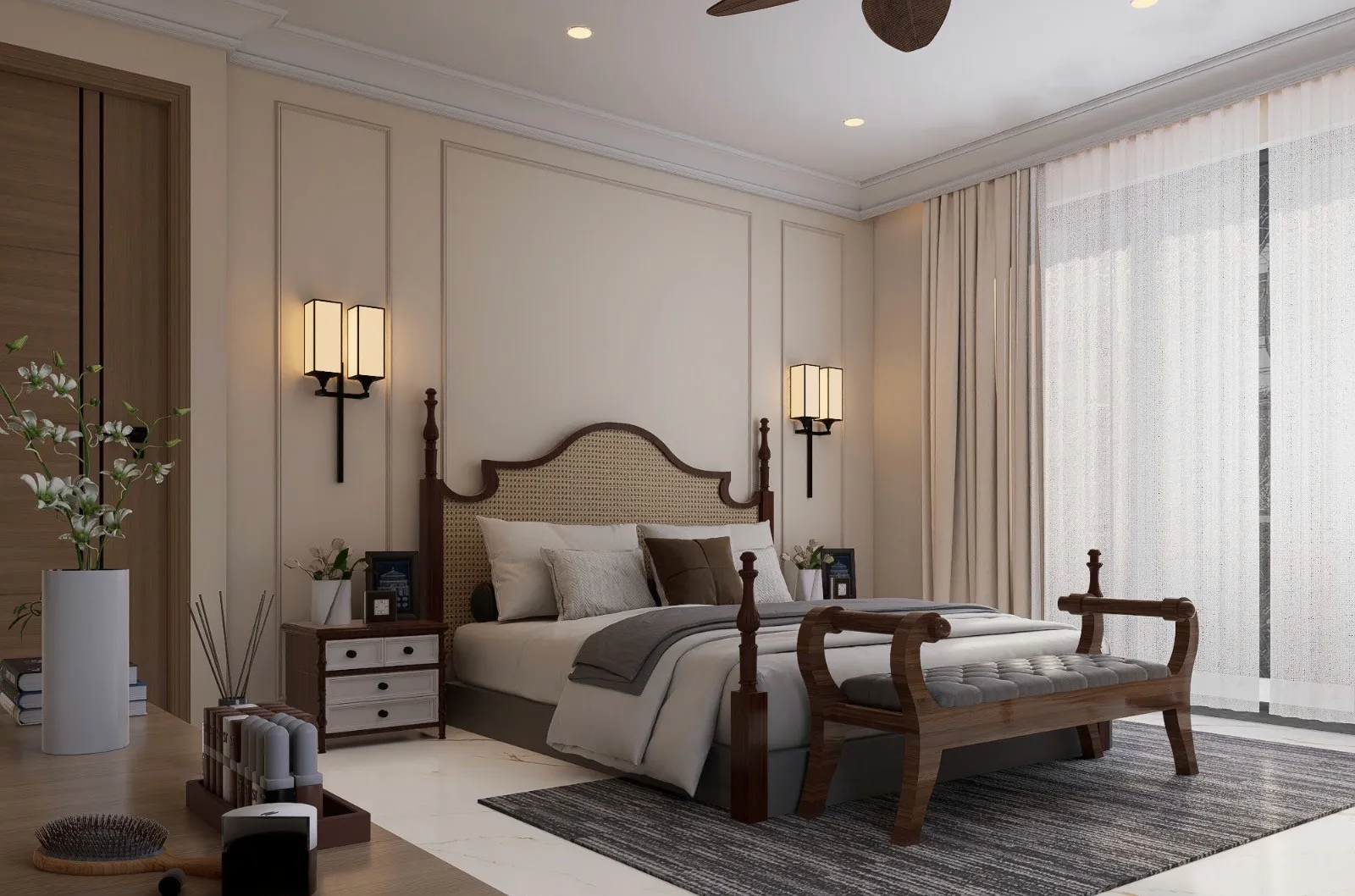
Since direct sun is simply not available on a north face through winter, the entire strategy has to shift to maximising reflected and diffused light rather than trying to manufacture something the orientation cannot give, and this is where most generic daylighting advice falls short, because it assumes at least some direct beam to work with. The single highest-impact move we make on north-facing living rooms and bedrooms is switching the wall and ceiling finish to a genuinely high-reflectance white or off-white, using a paint with a light reflectance value above roughly 80, rather than the warm ivory or beige tones many Kolkata flats default to, since those warmer tones absorb more of the already-limited light rather than bouncing it back into the room; we have measured lux readings jump by 15 to 25% in an otherwise unchanged room simply from this one repaint, using a basic lux meter held at desk height mid-afternoon in December.
Flooring choice does real work here too, and it is one of the first things we revisit on a north-facing renovation brief. A polished or semi-glossy large-format vitrified tile in a light stone or off-white shade reflects a measurable amount of ambient light back up into the room compared to a matte or heavily textured dark floor, and for flats where the floor is already laid and replacement is not on the table, even a light-coloured area rug placed to reflect rather than absorb near the main seating zone makes a visible difference on a grey December afternoon. Mirrors placed opposite or adjacent to the window, angled to catch and redistribute the low-intensity daylight deeper into the room, are a genuinely effective and inexpensive lever too, and we typically size these at 900mm to 1200mm wide positioned on the wall perpendicular to the window rather than directly opposite it, which throws light sideways into the room rather than simply reflecting it back out.
Where Artificial Light Has to Genuinely Substitute for Daylight
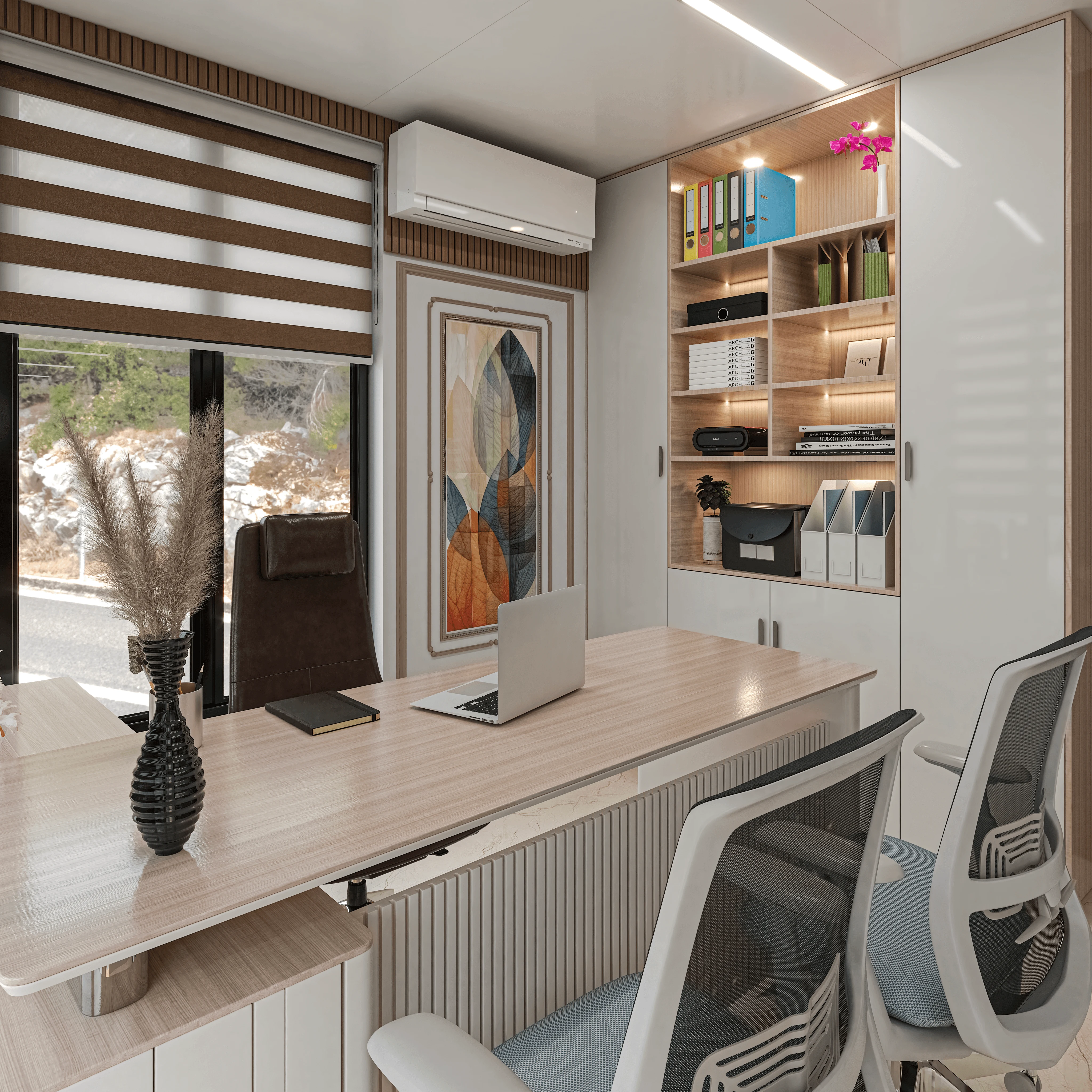
Because reflected light alone cannot fully replace the volume of a direct south or east exposure, we design the artificial lighting layer in a north-facing flat to function as a real supplement through winter afternoons rather than only kicking in after sunset, which means layering in warm-white LED cove lighting along the ceiling perimeter at around 2700 to 3000 Kelvin to counteract the coolness of the available daylight, alongside a stronger ambient layer than we would spec for a comparable south-facing room. We generally push the lux target for a north-facing living or dining zone to 250 to 300 lux at task height rather than the 150 to 200 lux that might suffice where direct sun does most of the work, and we set at least part of that lighting on a daylight-linked or simple timer circuit so it comes on automatically through the darkest winter hours rather than depending on someone remembering to switch it on at 3pm.
Managing the Damp Feeling Alongside the Dim Feeling
The two complaints, dark and damp, are related but not identical, and treating only the light problem leaves the damp feeling unresolved, so we address ventilation and material choice as a parallel track. North-facing rooms that also sit low in the building or back onto a narrow service lane between blocks get less air movement along with less light, so we prioritise cross ventilation wherever the layout allows it, even a modest transom or ventilator above the main door opposite the window, and we steer away from moisture-retentive finishes like unsealed lime plaster or matte emulsions with poor washability in these specific rooms, favouring washable, slightly sheen finishes that shed surface moisture rather than holding it. A dehumidifier sized for the room, generally a 20 to 30 litre per day unit for a typical 120 to 150 square foot bedroom, is a practical and inexpensive addition for flats where structural cross ventilation genuinely cannot be improved, and we recommend it as a standing winter fixture rather than an emergency measure only reached for once mustiness has already set in.
- Repaint north-facing walls and ceilings in a high-reflectance white rather than a warm or dark tone
- Paint window reveals the same light shade as the main wall rather than leaving them dark
- Add an angled mirror on the wall perpendicular to the main window to redirect light deeper into the room
- Layer in warm-white LED cove or ambient lighting rated for daytime use, not only evening use
- Improve cross ventilation with even a small transom or ventilator where the layout allows it
If your north-facing flat sits in one of Kolkata's older mixed-density pockets rather than a newer New Town tower, the fix often has to work within narrower lanes and closer neighbouring walls that block even more of the available skylight, a constraint we have written about separately in our piece on heritage neighbourhood design in North Kolkata. And because a dim, cool-feeling room in winter is very often paired with an uneven cooling complaint the rest of the year once the same flat opens into a larger living-dining layout, it is worth reading alongside our guide to fixing an AC that cannot cool a far corner of an open-plan Kolkata living room. Bathrooms attached to north-facing bedrooms carry their own version of this dampness issue too, and if yours is due for a renovation anyway, our comparison of cement-based waterproofing versus chemical waterproofing for a bathroom renovation is a useful next read.
Bringing a North-Facing Flat Up to Its Full Potential This Winter
A north-facing flat in Kolkata does not need to feel like a compromise for four months of the year, it needs a finishing and lighting plan built specifically around what north light actually does across the seasons rather than a generic brightening job borrowed from a south-facing brief, and that room-by-room read, checking reflectance, reveals, floor finish, and light layering together, is exactly what we walk through on every daylighting consultation we take on, often alongside a modular kitchen design refresh where the kitchen itself faces the same direction. If your flat has that familiar December dimness and you want a plan specific to your rooms rather than general advice, reach out through our contact page with a floor plan and the orientation of each room and we will map out exactly where the light and warmth are being lost.