






Fluted Panelling Became Kolkata's Go-To Accent Wall in 2023
Somewhere around the middle of 2023, we noticed a very specific pattern in the reference images clients were sending us before their first consultation, and it was not the Pinterest board of stone cladding or exposed brick that had dominated the two years before it, but photograph after photograph of vertical wood grooves running floor to ceiling behind a bed or a television console. By the third quarter of that year, fluted panelling had gone from a finish we occasionally proposed to homeowners who wanted something unusual, to the single most requested accent wall treatment across nearly every residential brief we took on in New Town, and it stayed that way through the rest of the year in a way that made it clear this was not a passing curiosity but a genuine shift in how Kolkata wanted its walls to look.
What Textured Paint Walls Were Doing Before This
To understand why fluting caught on the way it did, it helps to remember what it replaced. For a good stretch of the early 2020s, the default answer to "we want one wall in the living room to feel special" was a textured paint finish, whether that meant a stucco effect troweled on by hand, a metallic sheen rolled over a base coat, or a stone-textured paint sold under various brand names that promised the look of natural stone at a fraction of the material cost. These finishes had real advantages, they were relatively inexpensive to apply, they did not add any depth to the wall so they worked in tighter rooms, and they gave a flat surface a bit of visual interest without much lead time. But they also had a ceiling on how good they could look, because a textured paint wall reads the same in every light, it has no real shadow play, and after two or three years in Kolkata's humidity, some of the cheaper textured finishes started to show hairline cracking or a slightly chalky surface that no amount of cleaning could fully restore.
The Shift We Saw in Actual Briefs
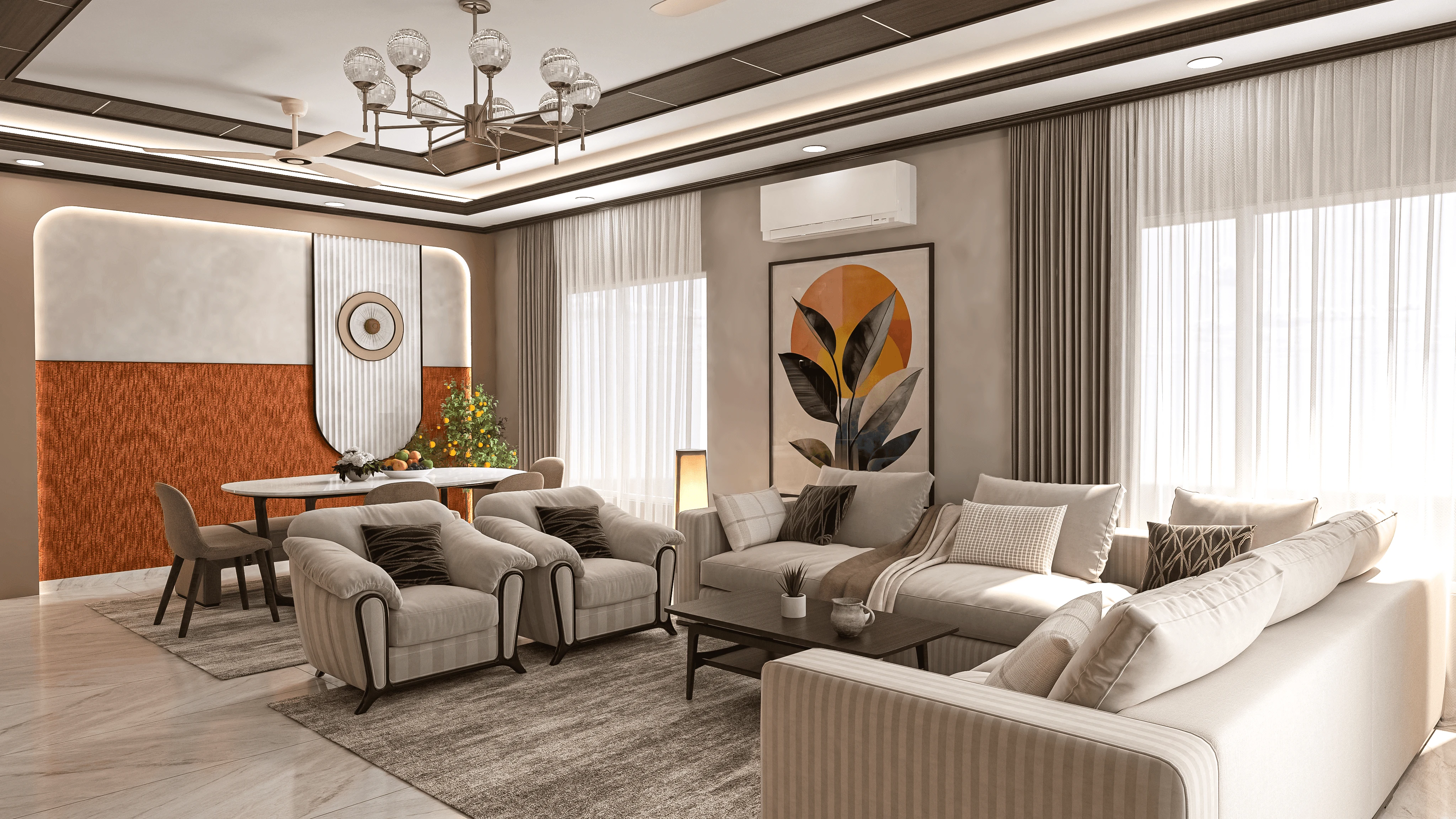
What changed in 2023 was that clients stopped asking for "something textured" and started asking for fluting by name, which told us the trend had moved past interior design circles and into general circulation, likely through Instagram reels and YouTube walkthroughs of newly built Kolkata apartments where fluted panelling was doing a lot of visual heavy lifting behind the bed headboard or the television unit. We handled a run of projects that year, largely two and three bedroom apartments in the 900 to 1,600 square foot range across New Town's Action Area developments, where the brief specifically named fluted panelling as the desired treatment for either the living room television wall or the master bedroom headboard wall, sometimes both. In a handful of larger homes, we extended the same vertical groove language into a home office nook or a foyer partition, because once a client saw how the finish photographed in one room, they generally wanted to repeat it somewhere else in the house.
Why Fluted Panelling Won on Its Own Merits
Part of the appeal is genuinely about how the material behaves rather than just how it photographs. A fluted panel, whether it is a routed groove cut directly into an MDF or plywood sheet, or a pre-manufactured PVC or WPC fluted panel that gets fixed onto a base board, creates a series of shallow vertical channels that catch ambient light and cast soft linear shadows that shift through the day, which gives a flat wall a kind of movement that flat paint simply cannot produce regardless of how skilled the painter is. In a New Town living room with a west-facing window, for instance, we watched the same fluted wall look almost monochrome and quiet at ten in the morning and then take on a warm, dramatically striped character by five in the evening as the low sun raked across the grooves. That kind of responsiveness to natural light became a genuine selling point once clients saw it in person rather than in a flat photograph.
There is also a practical durability argument that helped fluting displace textured paint specifically. A well-executed fluted panel in laminate-finished MDF or a factory-finished WPC profile resists Kolkata's humidity swings considerably better than an open-pore textured paint surface, because the panel is sealed and the joinery, when done properly with correct expansion gaps, does not trap moisture the way a porous painted texture can over a monsoon season. We priced fluted panelling for our 2023 projects in the range of roughly ₹220 to ₹380 per square foot depending on whether the client chose a laminate finish, a veneer finish, or a painted MDF groove, which sat close enough to premium textured paint pricing that the switch was rarely a budget decision, it was a preference for how the finish would look and hold up over five or six years rather than two.
Where Fluting Worked Best and Where We Talked Clients Out of It
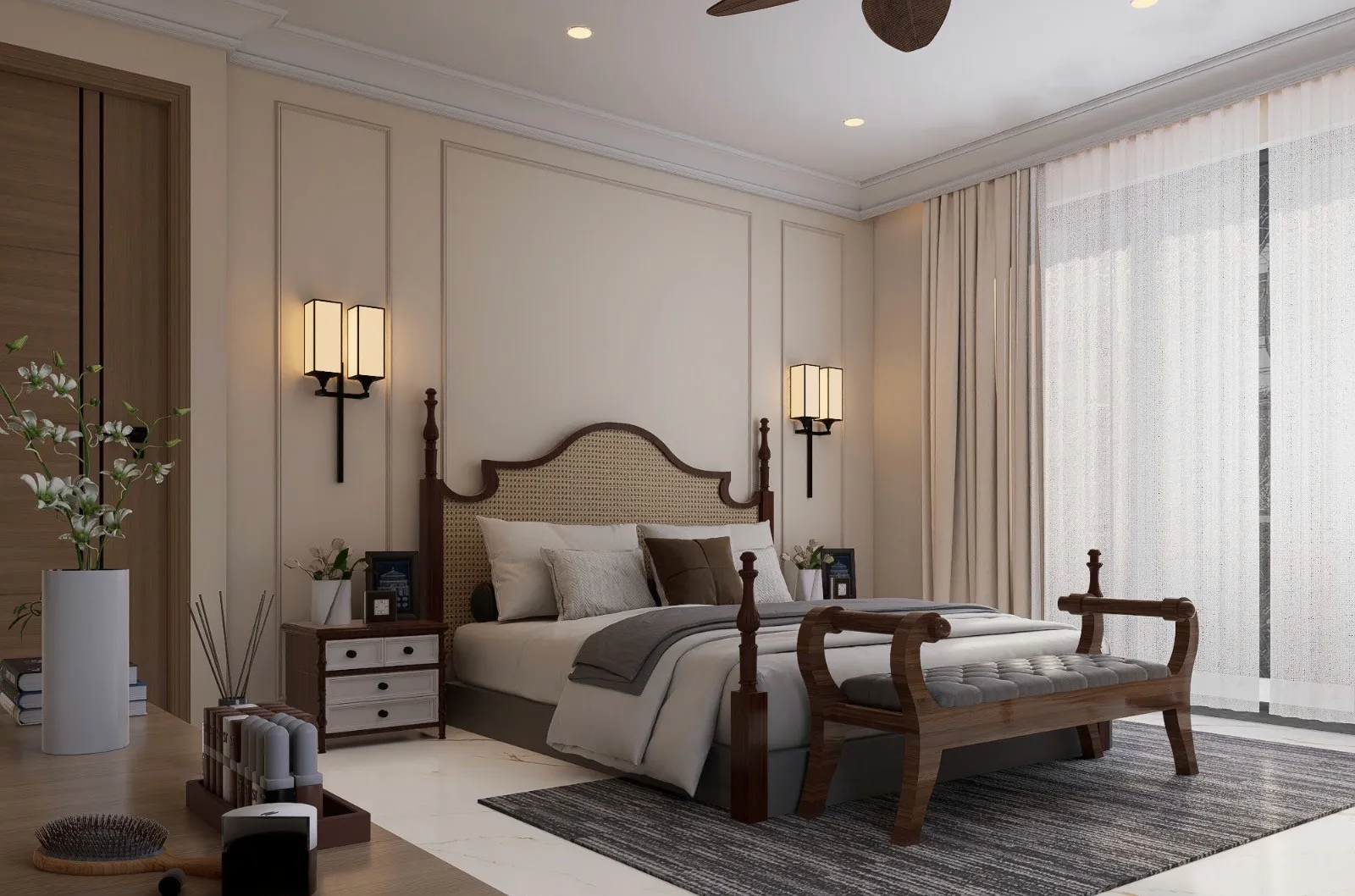
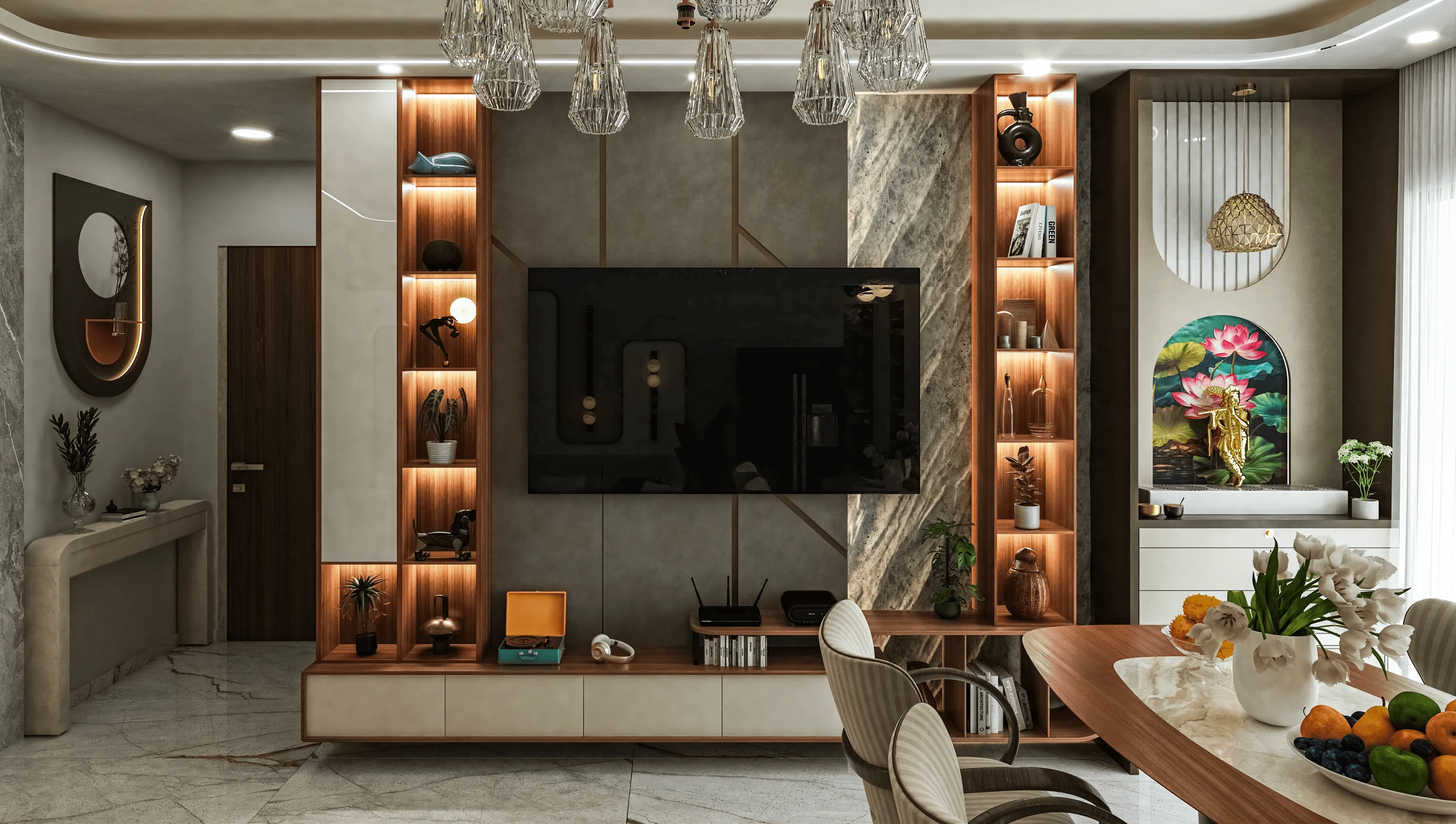
We found the treatment performed best as a genuinely accent application rather than something applied to every vertical surface in a home, and we said as much whenever a brief arrived asking for fluted panelling across an entire room. Behind a bed headboard in a 140 to 180 square foot master bedroom, a fluted wall running the width of the headboard and rising to somewhere between seven and eight feet gave the room a clear focal point without overwhelming a space that Kolkata apartments rarely have to spare. Behind a television console in a living room, the same logic applied, the panelling created a backdrop that made the screen recede visually while the grooves did the work of adding interest, and we generally recommended keeping the fluted section to the width of the console plus a reasonable margin either side rather than running it wall to wall, both for cost control and because a smaller panelled section tends to read as more deliberate.
Where we pushed back was on requests to flute an entire compact room, a habit that started appearing toward the end of 2023 as the trend accelerated, because in a bedroom under about 120 square feet, full-wall fluting on more than one wall started to feel busy rather than considered, and it also made the room noticeably harder to light evenly, since the grooves create shadow lines that compete with each other when they run on adjacent walls. We steered those clients toward a single feature wall instead, which kept the visual drama concentrated and left the rest of the room to breathe.
A Trend That Has Aged Into a Standard, Not Faded Out
Unlike some finishes that spike and then quietly disappear from briefs within a year, fluted panelling has held its place in our project conversations well past 2023, which tells us this was less a fad and more a genuine correction toward finishes that offer texture, shadow, and material warmth over the flatter treatments that came before. We still specify it regularly, though the applications have matured, clients now ask more thoughtful questions about groove depth, panel material, and how the finish will look against their existing wood tones rather than simply requesting it because they saw it somewhere. If you are curious how design language has kept moving since then, our piece on how curved furniture and arches redefined Kolkata interiors in 2024 picks up almost exactly where this trend left off, and our note on how west-facing homes can be designed well within Vastu is worth a read if you are weighing a fluted accent wall against a west window the way several of our 2023 clients were. We also wrote about the kitchen layout shift that followed a year later in our before and after look at open kitchens winning over Kolkata homes in 2024, which touches on some of the same New Town apartment stock this fluting wave first appeared in.
Thinking About a Fluted Wall for Your Own Home
If you have been circling reference images of fluted panelling for your living room or bedroom and are not sure whether it will suit your layout, your light, or your budget, that is exactly the kind of conversation we like having early, before any material gets ordered. We can walk you through groove profiles, finish options, and realistic per-square-foot costs for your specific room dimensions, and tell you honestly whether a feature wall or a fuller application makes sense for the space you have. Reach out through our contact page and we will set up a time to talk through your home.