






Which Balcony Railing Material Won't Rust Through a Kolkata Monsoon Season
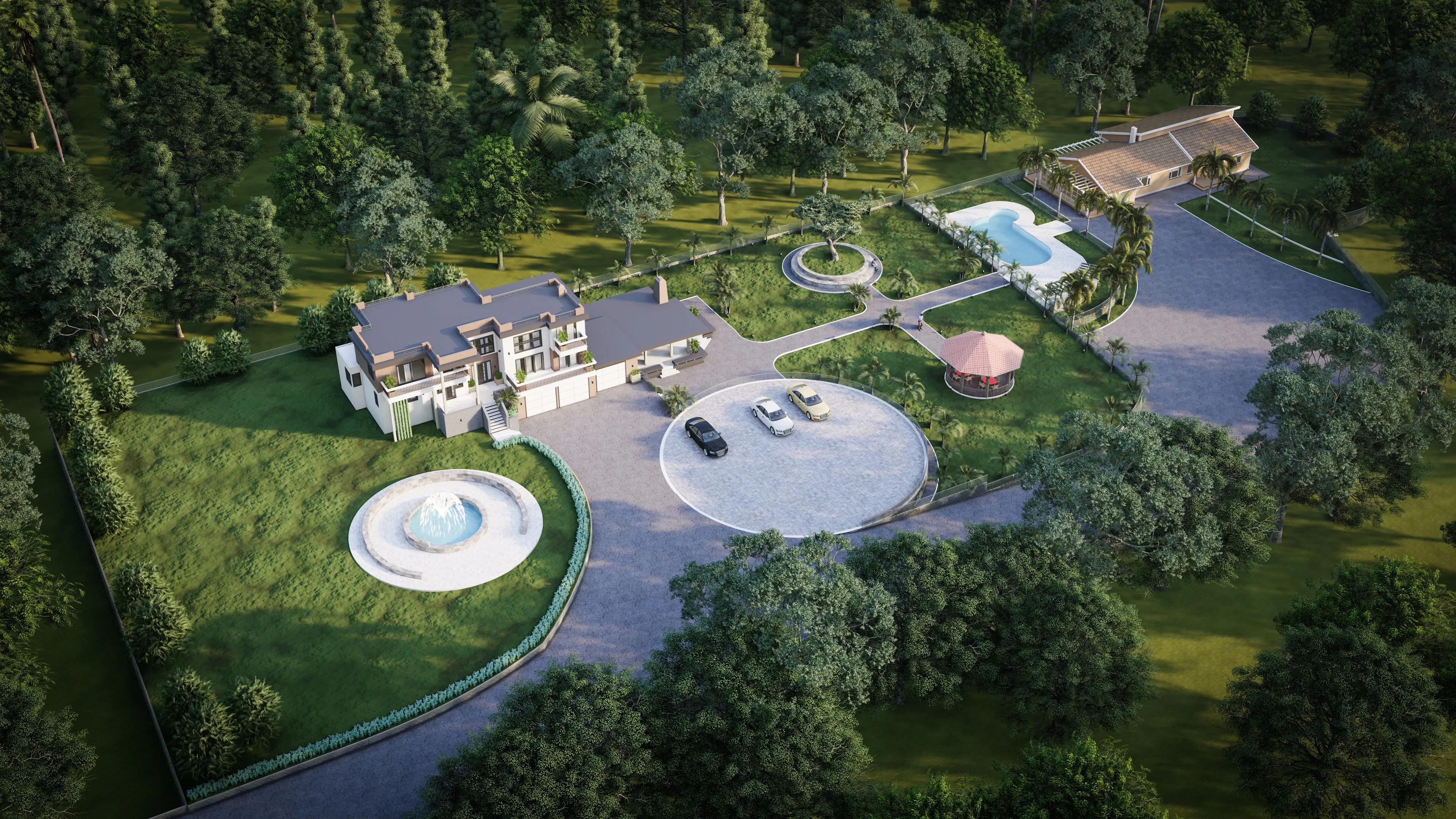
We get a version of this question every year around July and August from clients across New Town and Salt Lake, usually with a photo attached showing orange rust streaks bleeding down a white balcony wall from the base of a railing, and the frustrating part for most homeowners is that the railing was painted or powder coated when it went in, so the rust feels like it came out of nowhere, when in reality the material underneath the coating was working against the client from day one, because an open balcony facing driving monsoon rain in this city is one of the most punishing environments a metal railing can sit in, and mild steel, stainless steel, and aluminium each respond to that environment in genuinely different ways that are worth understanding before you sign off on a fabricator's quote.
Why an Open Balcony Is Worse Than a Covered One
The distinction that matters most here is not simply "Kolkata is humid," which is true of every surface in the city, but specifically whether a balcony catches driving rain directly, since New Town and Salt Lake towers regularly see monsoon rain arriving at an angle strong enough to soak an open railing repeatedly through a single afternoon, and unlike a covered veranda or an interior grill, an open balcony railing rarely gets a chance to dry out fully between downpours during the peak of the season, which runs a sustained four-month stretch from roughly June through September. That repeated wet-dry cycling, combined with the salts and pollutants present in Kolkata's urban rainwater, is what accelerates corrosion far beyond what the same metal would experience in a drier inland city, and it is also why we ask every client at the design stage whether the balcony has any roof overhang or is fully exposed, because the honest answer changes which material we recommend.
Mild Steel: Affordable, but Only With the Right Coating Discipline
Mild steel, or MS, remains the most commonly fabricated railing material in Kolkata because it is significantly cheaper than the alternatives and easy for local welders to work with using standard tools, and there is nothing inherently wrong with specifying MS for a balcony railing provided the coating process is done properly and maintained on a schedule, since raw mild steel left unprotected will start showing surface rust within weeks of monsoon exposure. The standard approach we specify is a hot-dip galvanized base coat, which bonds zinc to the steel surface and gives genuine corrosion resistance even if the outer paint layer gets scratched, followed by a primer and a weather-grade enamel or PU top coat, and done this way an MS railing can perform well for several years. The catch, and it is a real one, is that this protection is only as good as its weakest point, so a single scratch from a broom, a dropped flowerpot, or careless cleaning that exposes bare steel underneath becomes the seed point for rust that then spreads under the coating from the inside out, invisible until it bubbles the paint and breaks through, which is precisely the pattern in most of the "rusting after two monsoons" complaints we see on MS railings that were not hot-dip galvanized in the first place, only spray-painted over bare or lightly primed steel.
Stainless Steel: The Higher Upfront Cost That Removes the Problem
Stainless steel, specifically grade 304 for standard residential use, contains chromium that forms a thin, self-repairing oxide layer on the metal's surface, which is what gives stainless steel its corrosion resistance at a fundamentally different level than mild steel, since even if that layer is scratched, exposure to oxygen allows it to reform on its own rather than leaving bare metal exposed the way a scratched paint coating does on MS. For a Kolkata balcony that catches driving rain directly, grade 304 stainless steel is what we recommend whenever the client's budget allows for it, because it genuinely does not need the ongoing coating maintenance that MS requires, and a well-fabricated stainless railing with a brushed or mirror finish holds its appearance through monsoon after monsoon with nothing more than routine wiping down. The honest trade-off is cost, since stainless steel railing typically runs meaningfully higher than a galvanized and coated MS railing once you account for both material and the more specialized welding it requires, and for balconies in coastal-adjacent or heavily polluted pockets, even grade 304 can show light surface staining over many years, though this is cosmetic tea-staining rather than structural rust and does not compromise the railing itself.
| Mild Steel (Hot-Dip Galvanized) | Stainless Steel (Grade 304) |
|---|---|
| Lower material and fabrication cost | Meaningfully higher material and fabrication cost |
| Requires periodic recoating and prompt touch-up of any scratch | No recoating needed, self-repairing oxide layer |
| Rust starts at scratches or weld points if coating is skipped or damaged | Genuinely rust resistant even at exposed cut edges |
| Wide range of paint colors and design finishes available | Limited to brushed or mirror steel look unless powder coated separately |
| Common for covered balconies or budget-conscious projects | Recommended default for open, rain-exposed balconies |
Aluminium: Lightweight, But Read the Fine Print on Alloy Grade
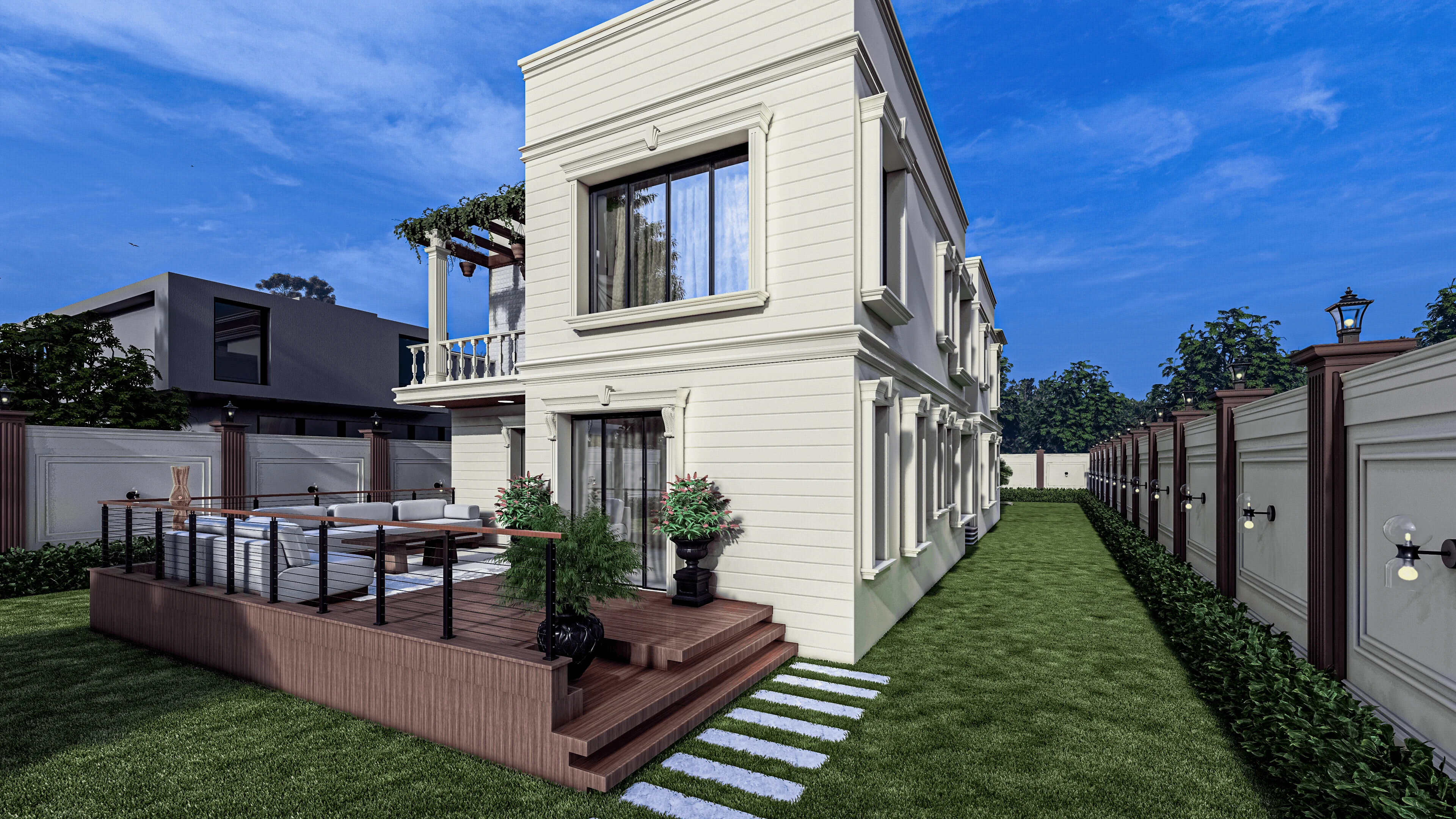
Aluminium railings, usually fabricated from extruded aluminium sections rather than welded bar stock, are naturally corrosion resistant because aluminium forms its own protective oxide layer similarly to stainless steel, and they carry the added advantage of being considerably lighter, which matters on some structural balcony designs where load on the parapet or slab edge is a genuine engineering constraint. Where we ask clients to slow down and check the specification carefully is the alloy grade and the anodizing or powder coating quality, because not all aluminium sold in the local market is created equal, and a lower-grade alloy with a thin or poorly applied anodized layer can pit and discolor faster than a properly specified grade would, particularly at cut edges and joinery points where the protective layer is thinnest. Powder coated aluminium in a good quality electrostatic finish performs very well on Kolkata balconies and gives access to a far wider palette of colors and finishes than raw stainless steel does, which is why we specify it fairly often for clients who want a specific matte black or bronze look that plain steel cannot easily achieve, but we are careful to source from fabricators who can show us the coating specification rather than taking a generic "powder coated" label at face value.
Fixing a Railing That Is Already Rusting
For clients calling us mid-monsoon with an MS railing already showing rust, the fix depends entirely on how far the corrosion has progressed, since surface rust caught early can often be mechanically removed with wire brushing down to bare metal followed by a proper zinc-rich primer and a fresh top coat, a repair that genuinely holds if done thoroughly rather than as a quick paint-over, but once rust has worked its way through a significant thickness of the bar or has compromised a weld joint structurally, patch repair is a temporary measure at best and we recommend budgeting for a full railing replacement in the right material rather than repeating the same coating cycle every one to two monsoons. We always advise clients to have a fabricator physically inspect the base plates and any weld points specifically, since these are where structural failure would actually matter for safety, not just the cosmetic rust visible on the flat bar surface.
- 01Inspect base plates and weld points for hidden rust before assuming it is only surface level
- 02Mechanically remove rust down to bare metal rather than painting directly over it
- 03Apply a zinc-rich primer suited to the substrate before any top coat
- 04Finish with a weather-grade PU or powder coat rated for exterior monsoon exposure
- 05Schedule a light inspection each pre-monsoon season going forward, especially at scratch points
Beyond the Railing: The Rest of the Balcony's Humidity Story
A railing rarely sits in isolation from the rest of the balcony's design, and if you are planning a balcony refresh alongside the railing decision, our guide to designing a balcony garden in Kolkata's climate covers the planting and drainage side of that same open-to-rain space, which often gets decided in the same conversation as the railing material itself. The same driving-rain logic that governs railing choice extends indoors too, since a kitchen backsplash just inside the balcony door faces its own combined humidity and cooking-oil challenge, which we cover in kitchen backsplash materials that handle Kolkata's humidity and cooking oil together, and a wardrobe on the wall backing onto that same exterior facade can develop swelling issues from the same ambient moisture, addressed in wardrobe interior finishes that resist swelling in Kolkata's humid months. For a bedroom on the same exterior-facing side that also happens to sit along a busy stretch like EM Bypass, sound and weather exposure tend to get solved together, a topic our piece on reducing traffic noise in an EM Bypass-facing bedroom goes into separately. For commercial spaces with exterior balconies or terraces facing the same exposure, our commercial interior design work applies the identical material logic at a different scale.
Get Your Railing Specified Right Before the Next Monsoon
If your current balcony railing is already showing the first signs of rust or you are finalizing the railing specification for a new build or renovation in New Town, Salt Lake, or anywhere across greater Kolkata, send us the balcony's orientation and how directly it catches rain through our contact page and we will tell you plainly which material and finish combination is worth the money for your specific exposure, rather than defaulting to whatever a fabricator happens to have in stock.