






Sliding Wardrobe Mechanisms Explained: Top-Hung vs Bottom-Roller
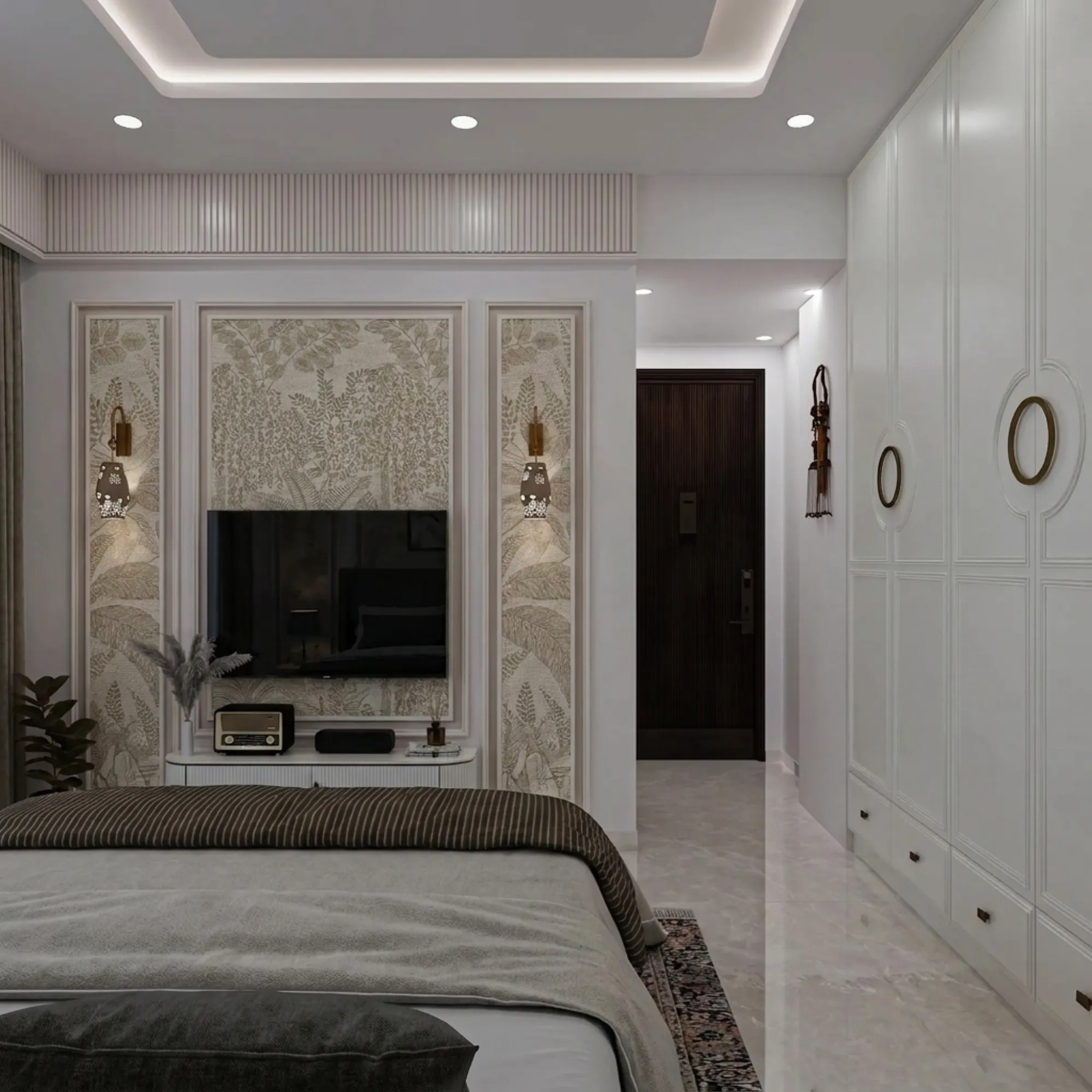
Every homeowner who has stood in a wardrobe showroom in Kolkata has heard the salesperson say some version of the same line, that sliding wardrobes save floor space and look cleaner than hinged shutters, and that part is true, but nobody explains the mechanism sitting above and below those panels that decides whether the door glides for fifteen years or starts dragging within eighteen months. We get this question on almost every residential interior design project where a wardrobe crosses six feet in width, and it usually comes down to one decision, right: top-hung or bottom-roller.
This isn't a cosmetic choice. The mechanism affects how much weight the panel can carry, how the track behaves when monsoon humidity swells the floor slightly, how much dust and grit collects in the channel over a Kolkata summer, and how the whole system sounds when your kid slams it shut at 7am before school. So this piece walks through the actual mechanics of both systems, the track materials and finishes worth paying for, how panel weight and height change your hardware choice, what soft-close actually costs versus what it's worth, and what these systems run across price bands in Kolkata and West Bengal, so that by the end you're not choosing based on a showroom demo panel that's been oiled that morning.
We've specified and installed sliding wardrobe systems across 330+ buildings since we started Studio Contour in 2014, from compact New Town flats to larger bungalow dressing rooms, and the pattern we see is that most complaints two years in trace back to the wrong mechanism being used for the wrong panel weight, not to a bad brand.
Top-hung vs bottom-roller: what's actually different
A top-hung system carries the entire weight of the door on a track fixed to the top of the wardrobe carcass or to a header rail, with rollers riding inside an overhead channel and a small guide pin or bottom track keeping the panel from swinging at the base. A bottom-roller system does the opposite, the weight sits on rollers running along a floor-level track, with the top guided loosely to keep it vertical. The difference sounds minor until you actually live with it. Top-hung doors glide with almost no resistance because gravity and the roller bearing are doing the work from above, and because there's no load-bearing track on the floor, you get a cleaner sightline at skirting level and easier mopping underneath, which matters a lot in Kolkata homes where floors get wiped daily through the monsoon. Bottom-roller systems, on the other hand, are structurally simpler and cheaper to manufacture, but the floor track collects dust, hair and grit fast, and if that track isn't cleaned every few weeks the rollers start grinding rather than gliding, which is the single most common wardrobe complaint we hear from clients who did a budget fit-out elsewhere before calling us.
| Top-Hung System | Bottom-Roller System |
|---|---|
| Weight sits on the overhead track, so no floor-level rail | Weight sits on the floor track, overhead guide is just alignment |
| Glides with less resistance, quieter over years | Can feel gritty or noisy once dust builds in the channel |
| Cleaner floor sightline, easier to mop under | Floor track is visible and needs regular cleaning |
| Higher load capacity per panel, better for tall wardrobes | Lower load ceiling, better suited to lighter panels |
| Costs more due to reinforced header and hardware | Generally the cheaper hardware option upfront |
The honest answer on which is better is that it depends on your panel weight and your carcass construction, not on which one the showroom pushes harder because it has better margins. For anything above 2.4 metres in height, or panels using thicker mirror or glass shutters, we default to top-hung almost every time because a bottom-roller carrying that load starts to sag at the track within a few years. For simpler, lighter laminate-shutter wardrobes in a compact bedroom, bottom-roller is a perfectly reasonable and more affordable choice, and there's nothing wrong with specifying it as long as the client understands the maintenance trade-off going in.
Track materials, panel weight and how many shutters
The track itself is where a lot of the real cost difference hides. Aluminium extruded tracks with a powder-coated or anodised finish are the standard for anything mid-range and above, because they resist corrosion in Kolkata's humidity far better than the mild-steel tracks that show up in cheaper systems and start rusting at the edges within two monsoons. For a wardrobe carcass, we're almost always specifying plywood over particle board for the shutter core when the client wants a heavier finish like a veneer or a lacquered panel, simply because plywood holds screws and hinges better over repeated use, and it handles humidity swings without delaminating the way cheap MDF does.
Panel count matters more than most people think going in. A two-panel sliding wardrobe up to about 8 feet wide works fine on either mechanism, but once you go to three or four panels on the same opening, which is common in larger bedrooms and dressing areas we design across Salt Lake, Rajarhat and New Town, you need a track rated for the combined weight of every panel riding on it, and you generally want top-hung with a reinforced header at that point, because the accumulated load on a floor track with four panels sliding past each other tends to wear unevenly. This is exactly the kind of decision that should get made at the custom furniture design stage, alongside internal layout, not bolted on after the carcass is already built.
- Confirm panel weight and height before choosing the mechanism
- Insist on aluminium or anodised track, not raw mild steel
- Ask whether the roller bearings are nylon or steel ball-bearing
- Check if soft-close dampers are built into the roller or sold separately
- Get the floor-track cleaning routine in writing if you go bottom-roller
- Match the shutter material (laminate, veneer, glass, mirror) to the load rating
Soft-close, damping and the hardware categories worth knowing
Soft-close hardware on a sliding wardrobe uses a small hydraulic or pneumatic damper built into the last few centimetres of roller travel, so the door decelerates and closes flush instead of slamming into the frame. On top-hung systems this damper usually sits in the overhead carriage, which keeps it away from dust and floor moisture, and that's part of why the mechanism tends to last longer on top-hung setups. On bottom-roller systems the damper sits closer to the floor track, and it's more exposed, so it's worth asking your fabricator specifically whether the damper is sealed or open, because an open damper in a ground-floor flat near a garden or balcony will pick up grit faster.
Hardware quality generally falls into three rough categories, though brand names shift often enough that we won't lean on any single one here. Entry-level nylon roller systems are the cheapest, adequate for lightweight laminate panels, and typically the first thing to fail if the wardrobe carries anything heavier than intended. Mid-range steel ball-bearing rollers with an aluminium track are what we specify on most of our residential work, because they handle daily use for a decade or more without needing replacement. Premium systems add fully concealed soft-close on every panel plus a reinforced header rail rated for glass or mirror shutters, and that's where you'd land for a larger dressing room or a wardrobe doubling as a room divider.
What these systems cost across Kolkata and West Bengal
Pricing varies with panel size, finish and whether you're doing a full wardrobe fit-out or just replacing hardware on an existing carcass, but as a rough working range across our projects, it breaks down like this.
| System | Typical Cost Band | Best Suited For | |||
|---|---|---|---|---|---|
| Bottom-roller | laminate shutters | Budget to mid-range | Compact bedrooms | rental flats | secondary rooms |
| Top-hung | laminate or veneer shutters | Mid-range | Master bedrooms | taller openings | three-panel setups |
| Top-hung | glass or mirror shutters with soft-close | Premium | Dressing rooms | feature walls | larger duplexes |
These bands hold reasonably steady whether the project is in New Town, Salt Lake or further out toward Behala and Garia, though transport and site-access costs for larger premium systems can shift slightly depending on how far the fabricator has to travel. What we tell clients early is that the mechanism itself is a small fraction of the overall wardrobe cost, the cabinetry carcass, internal organisers and shutter finish usually cost more than the track and rollers combined, so it rarely makes sense to save money on hardware and spend it on a fancier laminate.
Choosing the right mechanism for your room, your climate and who's using it
Beyond the mechanics, there are a few angles that genuinely change which system suits a room. In ground-floor units or older buildings where floor levelling isn't perfectly even, which we still see fairly often on renovation work across the city, a bottom-roller track will telegraph every dip in the floor and the door will drag on one side, so top-hung is the safer call there because it doesn't care what the floor is doing. For a household with elderly members or anyone planning ahead for aging-in-place home retrofits, bottom-roller doors sit lower and are marginally easier to grip for someone with limited reach, though a well-installed top-hung door with a lower handle rail closes the gap almost entirely. For bedrooms exposed to direct monsoon draft through a balcony door, we lean toward sealed, soft-close top-hung hardware, because the monsoon humidity here is genuinely harder on floor-level metal than most manufacturers' spec sheets, written for drier climates, account for.
Colour and finish choices interact with the mechanism too, though people rarely think about it that way. Darker laminates and lacquered finishes show dust and fingerprints on the track channel faster, which nudges us toward top-hung so the visible grime stays at eye level where it's easy to wipe rather than at floor level where it's easy to ignore. Mirror-finish panels, popular in smaller Kolkata flats because they visually double a room's depth, are heavier per square foot than laminate or veneer, so they almost always need the reinforced top-hung header regardless of budget, there's genuinely no safe way around that one.
- 01Confirm shutter material and finish with your designer
- 02Get panel weight calculated against track load rating
- 03Select top-hung or bottom-roller based on height, weight and floor condition
- 04Choose soft-close and hardware tier
- 05Fabricate, install and test under load before handover
We fold this whole decision into the same conversation we have about layout for the room generally, because a wardrobe mechanism chosen in isolation from the rest of the bedroom's interior design plan tends to fight with the wall lengths and door swing you actually have. If you're doing a full bedroom or apartment fit-out in New Town, our apartment and flat interior guide covers how wardrobe placement interacts with window light and circulation space, and for anyone weighing a complete flat renovation, our turnkey home interiors in New Town guide walks through how furniture decisions like this one fit into a broader 8-12 week project timeline.
At the end of the day, the mechanism you pick is a structural decision disguised as a finish decision, and getting it wrong doesn't show up on day one, it shows up eighteen months later when a panel starts dragging and the whole wardrobe feels cheap even if the laminate still looks fine. We've built enough of these across enough buildings in Kolkata and West Bengal, including projects like our serene master bedroom work, to know exactly which mechanism a given panel weight and room condition calls for, before the shutters are even ordered. If you're planning a bedroom fit-out, a full residential interior design project, or just want an honest read on whether your existing wardrobe hardware is worth saving, get in touch with us and we'll walk the space with you.