

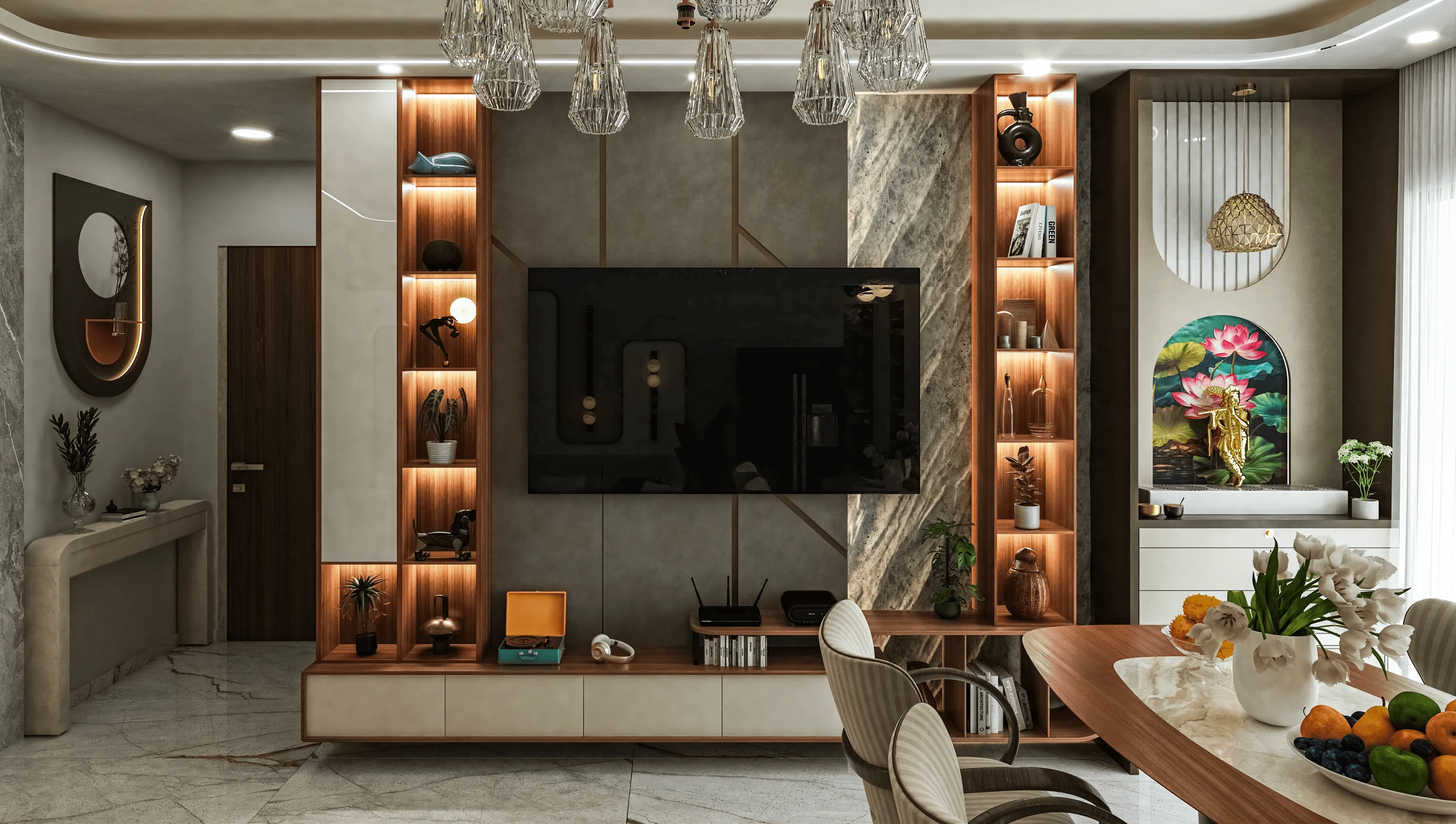






Building a Backwards Schedule From Your New Town Possession Date
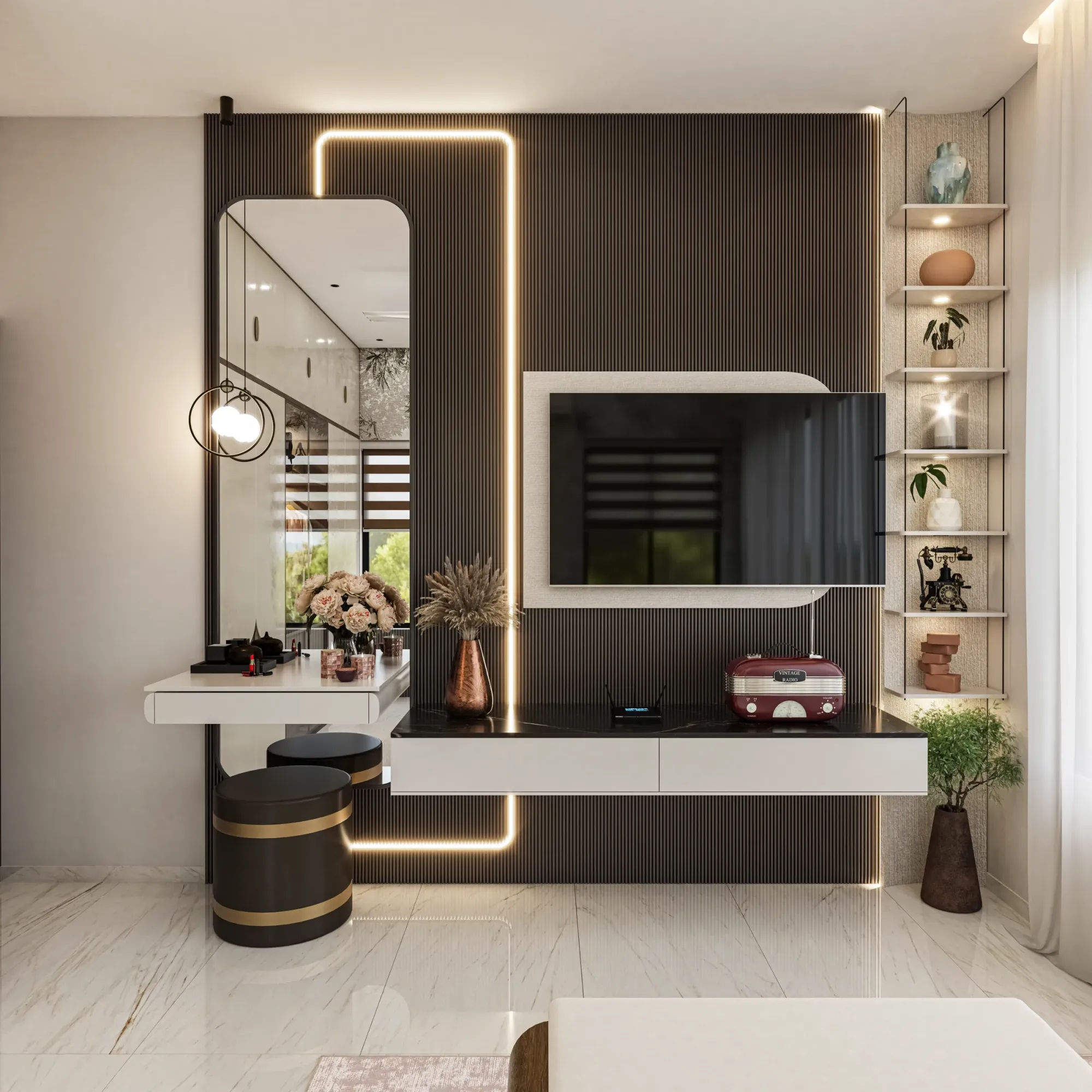
Every possession letter in New Town says the same thing between the lines: the clock has started, and it isn't waiting for you to figure out interiors. We've sat across the table with enough clients holding a fresh possession date, sometimes a plot handover from NKDA, sometimes keys to a flat in a G+4 block off Action Area I or II, and the pattern repeats itself. They plan forward from today, and forward-planning is exactly backwards. You don't ask "what can we start now," you ask "what has to be finished by move-in, and what does that force us to start today."
This matters more here than almost anywhere else in Kolkata because New Town, Kolkata runs on its own institutional clock. NKDA sanction cycles, utility connection queues, and a construction calendar that effectively pauses through peak monsoon months all stack on top of whatever your builder or contractor promises you. A possession date that looks generous in January can evaporate by August once you count backwards through festival closures, material lead times, and the fact that half your vendors disappear for two to three weeks around Durga Puja.
We've delivered 330+ buildings since 2014 working almost entirely inside this exact calendar problem, so this piece is basically the backwards-scheduling exercise we run with every New Town and Salt Lake client the moment they share a possession date, laid out so you can run a rough version yourself before you even call an architect.
Why New Town possession dates behave differently
In most Indian cities, once you have keys, you have keys, and the interior clock starts clean. In New Town, possession frequently arrives with conditions still open, an occupancy certificate pending, a boundary wall not yet finished on a self-build plot, or a shared amenity area still under the developer's punch list. If you're building from scratch on an allotted plot rather than buying a finished flat, the sequence gets longer still, because you're moving through plan sanction, foundation, structure, and finishing before interiors even enter the picture, and NKDA's process for building plan sanction has its own review cycles that don't compress just because you're in a hurry.
The other New Town-specific wrinkle is the occupancy certificate itself. Utility connections, in particular electricity load sanction and sometimes even the final water connection, are frequently tied to the OC being in hand, and we've seen interior work get held up not by design decisions but by a client waiting on paperwork that has nothing to do with tiles or paint. The catch here is that this delay is invisible until it isn't, so if your possession letter mentions a pending OC, that becomes the first line item in your backwards schedule, not an afterthought.
Working the schedule backwards, properly
Start with the date you actually want to move furniture in, not the possession date on paper, because there's almost always a gap between the two. From that move-in date, work backwards through every dependency in the order it has to happen, not the order you'd like to do it in. For a typical New Town or Salt Lake flat or independent house, interior work runs 8-12 weeks once civil handover is clean and drawings are approved, and that window itself breaks into stages that each depend on the one before finishing on time.
- 01Design brief and layout lock (week 1-2)
- 02Civil, plumbing, electrical rework (week 3-5)
- 03Modular kitchen and cabinetry fabrication (week 4-8, parallel)
- 04False ceiling, painting, flooring (week 6-10)
- 05Furnishing, styling, snag list (week 10-12)
Notice that fabrication runs parallel to on-site civil work rather than after it, and that's deliberate. A modular kitchen or custom wardrobe order placed only after the site is ready adds four to six weeks of pure waiting that a backwards schedule simply doesn't have room for. The same logic applies to custom furniture, lighting fixtures, and anything involving engineered stone countertops that need template measurements taken on-site before fabrication can even begin. If you're renovating an existing Salt Lake flat rather than fitting out a new New Town possession, the same backwards logic holds, just shift the starting conditions since you're usually working around an occupied or semi-occupied space.
The monsoon and festival calendar nobody budgets for
This is the part that catches people who've built or renovated in other cities and assume the same rules apply. Kolkata's monsoon season, roughly June through September, slows exterior work, curing times for concrete and plaster, and anything involving waterproofing that needs dry conditions to cure properly. Bathroom and balcony waterproofing in particular needs a genuine dry window before tiling goes down, and rushing this step in wet weather is one of the most common causes of leaks we get called in to fix years later.
Layer on top of that the festival calendar. Durga Puja and the surrounding weeks effectively remove two to three weeks of vendor and labour availability across the city, and if your backwards schedule doesn't account for this, you'll discover the gap only when your carpenter stops answering calls in late September. Many families also prefer to time a fresh start around an auspicious date, and if that matters to you, it's worth locking that into the plan early rather than treating it as a scheduling afterthought.
- Confirm OC and utility connection status before setting move-in date
- Mark monsoon months and festival weeks on the calendar first, then schedule around them
- Place kitchen and furniture fabrication orders 8-10 weeks before target move-in
- Book waterproofing work for a dry window, not whenever the schedule happens to land there
- Build a 2-week buffer into every stage, because one will use it
What actually eats the weeks nobody plans for
In our experience, three things blow up a backwards schedule more often than anything else. First, design decisions made too late, a client who hasn't finalised the kitchen layout by the time cabinetry needs to go into fabrication loses the parallel-track advantage entirely and pushes the whole project onto a single sequential timeline. Second, site readiness assumptions, a possession handover that looks complete on paper but still has electrical points to finish or a boundary wall pending means your interior contractor is waiting on someone else's punch list. Third, and this is New Town-specific, underestimating how much floor area ratio, setback, and height clearance questions can still surface mid-project if the original construction wasn't fully compliant, which is why getting architecture and compliance right at the plan-sanction stage saves real weeks later.
| Flat interior fit-out | Independent house build-out |
|---|---|
| Possession usually clean, OC often in hand | Possession may be conditional on pending OC or utility sanction |
| 8-12 week interior timeline typical | Several-month timeline covering structure through finishing |
| Kitchen and cabinetry can run parallel from week one | Cabinetry often waits on final wall and floor finishes |
| Monsoon mainly affects balcony and exterior work | Monsoon affects foundation, plastering, and exterior finishing directly |
This is also where cost planning and schedule planning collide, because rushing a stage to hit a date usually costs more than planning the date around the stage. If you're still working out what a realistic build actually costs in New Town before you even get to scheduling, it's worth reading through what drives cost to build a house in New Town before locking any dates at all, since budget surprises mid-project are what force schedule compressions in the first place.
The possession-day walkthrough that decides whether your schedule holds
Most of the backwards-schedule conversations we have start after the fact, meaning the client already collected keys, already signed the handover paperwork, and only then called us to ask why the timeline they had in their head isn't matching what's actually happening on site. The mistake usually traces back to the walkthrough itself, the thirty or forty minutes on possession day when you're handed a checklist by the developer or builder, asked to sign off on a set of items, and understandably in a hurry to just get the keys and move on with your life. That walkthrough is not a formality, it's the single event that determines whether your backwards schedule starts on solid ground or starts with three or four hidden dependencies you haven't accounted for yet.
Putting it together for your possession date
Once you have your actual move-in target, the exercise is genuinely mechanical: list every dependency, mark which ones can run in parallel, flag the New Town-specific risks (OC status, monsoon window, festival closures), and build buffer into each stage rather than hoping nothing slips. For interiors, false ceiling and lighting design decisions need to be locked before electrical rough-in, not after, because reworking a ceiling point after wiring is done costs both time and money you didn't plan for. If Vastu Shastra considerations matter to your family, those need to be part of the layout lock in week one or two as well, not retrofitted once cabinetry is already ordered.
We've run this exact exercise for families moving into everything from a compact Action Area flat to a full independent build, including a project like the G+4 residence we delivered in Action Area 2, where the possession-to-move-in window was tight enough that fabrication and site work had to run genuinely in parallel from day one. It's also worth reading up on general architect fees in Kolkata if you're still comparing how professional involvement changes both cost and schedule reliability, since an architect or interior designer managing the backwards schedule for you tends to catch the dependency traps before they cost you weeks.
At the end of the day, a possession date is only useful as a planning tool if you work backwards from it honestly, accounting for New Town's specific approval and utility rhythms, Kolkata's monsoon and festival calendar, and the real lead times on kitchens, cabinetry, and finishes rather than optimistic ones. We've been building and fitting out homes in New Town and Salt Lake since 2014, and if you've got a possession date and want a realistic backwards schedule built around it rather than a hopeful one, get in touch and we'll walk through it with you.