






Hiring a Designer for a Puja Season Home Refresh in New Town
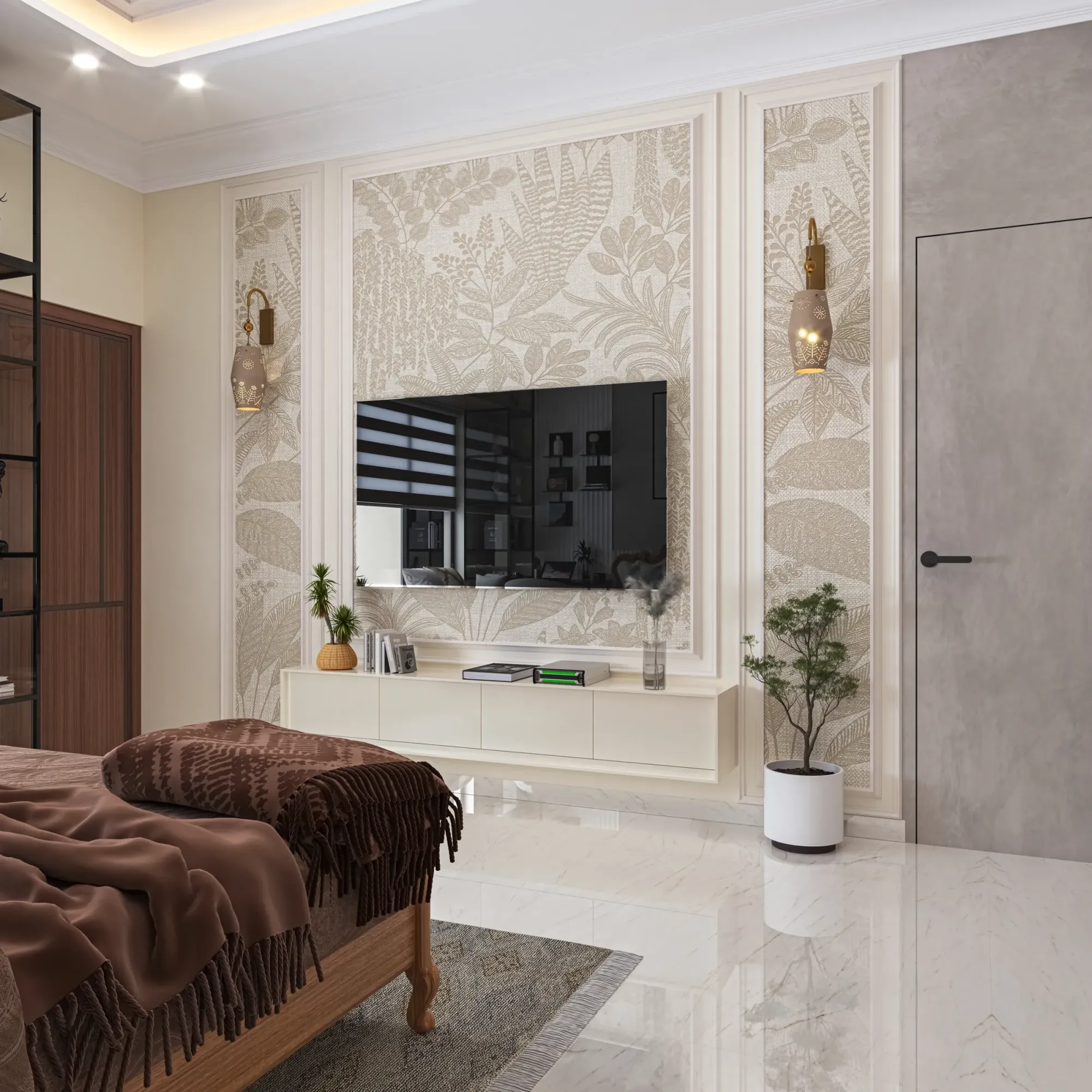
Every year around the second week of August our phone starts ringing differently, and it is almost always the same shape of call, someone in Action Area 1 or a flat off Akankha More telling us the living room has looked "tired" since Diwali and now Durga Puja is eight or nine weeks out and they want it fixed before the relatives start arriving, and what they are actually asking us, underneath the panic, is whether a puja season home refresh interior designer New Town homeowners can trust actually exists or whether they are about to hand their flat to whoever answers first on a classifieds app. That question is fair, because a refresh done in a hurry by the wrong hands looks exactly like a refresh, right up until the paint bubbles in October or the modular unit shows gaps by December, and we have been called in often enough to fix that kind of rushed work that we built our whole puja-season process around not becoming the next cautionary story a family tells their neighbours in the same block.
The Puja Rush Nobody Warns You About
The thing about a puja deadline is that it is not really a design deadline, it is a social one, because the pressure is not "does this look good" but "will this look good when my in-laws and forty guests walk through the door on Panchami," and that changes the calculus completely. A homeowner calling us in late July or early August has, realistically, somewhere between six and ten weeks before the house needs to be guest-ready, and inside that window there is festival shopping to do, work leave to plan around, and usually a family gathering or two that cannot be moved, so the actual working calendar we get is tighter than it looks on paper. We have watched families lose two of those weeks just interviewing three different vendors who each want a fresh site visit and a fresh quote, and by the time they pick one, the runway that was comfortable has become a scramble. The honest starting point of any puja season home refresh interior designer New Town families hire has to be a clear-eyed look at the calendar first, because design decisions made under a compressed timeline are where corners quietly get cut, in materials, in finishing time, or in the small snagging pass that catches a crooked switch plate before Ashtami rather than after.
What "Refresh" Should Actually Mean, And What It Shouldn't
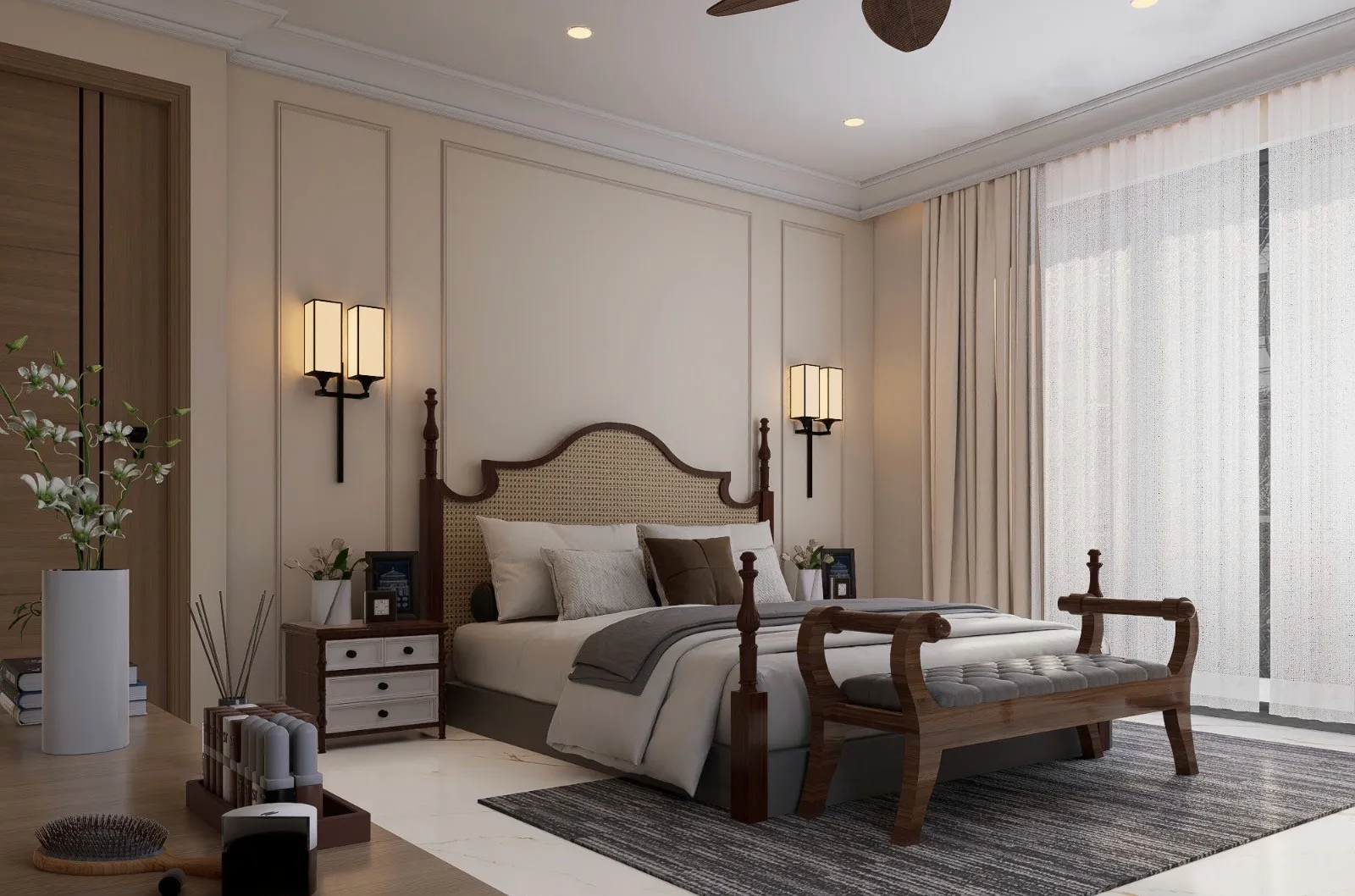
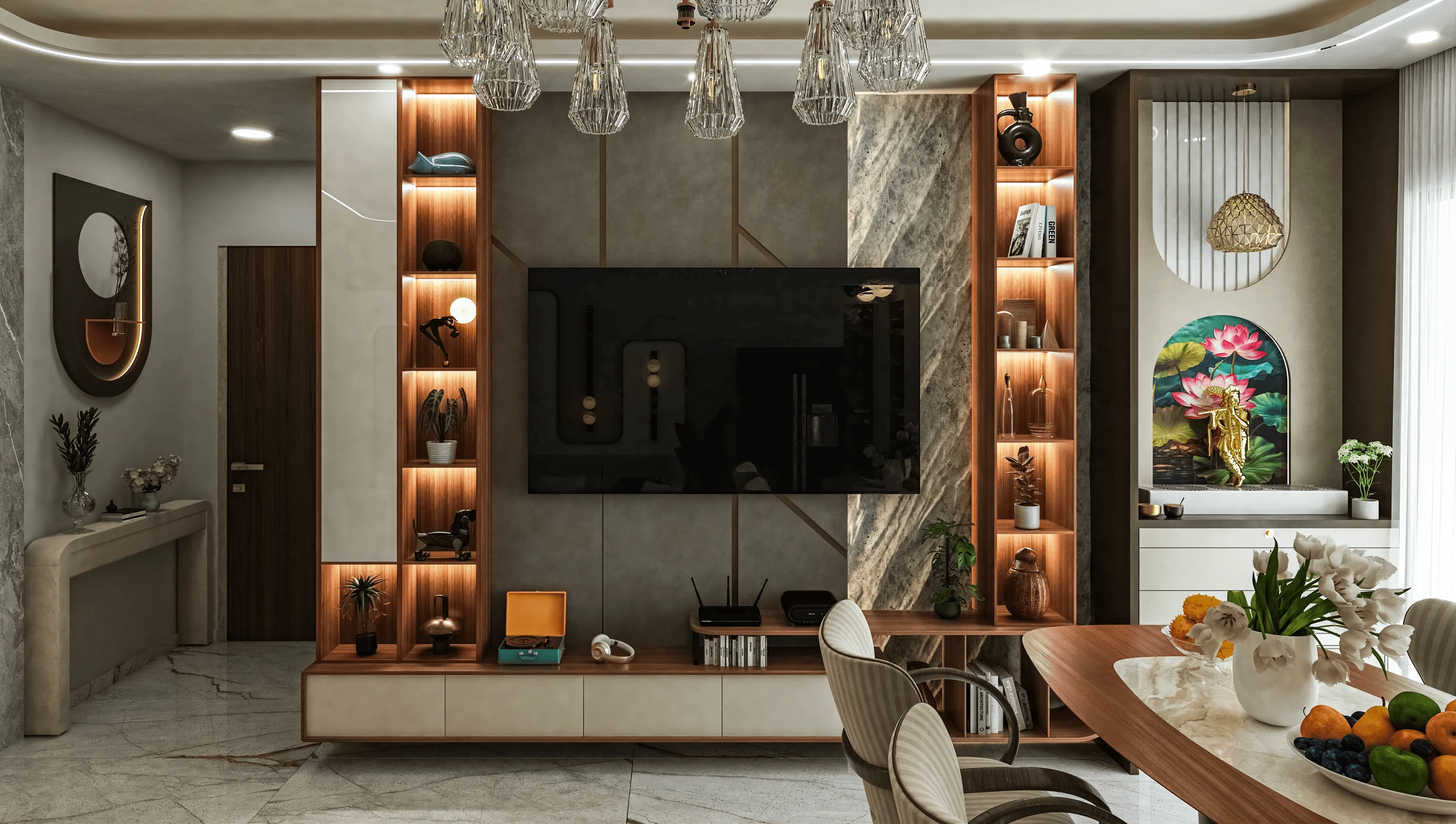
There is a version of a puja refresh that is genuinely smart, and there is a version that is just expensive theatre, and the difference matters more than most vendors are willing to admit to a client who is already stressed. A smart refresh touches what guests actually notice and what the family will keep using after Bijoya, which usually means the living and dining zone that carries the festival footfall, the false ceiling and lighting layer that changes how a space photographs and feels in the evening, the entry and puja corner itself if there is one, and any furniture that has been visibly failing for a while. The theatre version is when a vendor convinces a family to redo a bedroom nobody will see, or swap out fittings that were perfectly fine, just to hit a bigger invoice before the festival cutoff. We scope every puja refresh around the rooms and surfaces that carry weight for guests and daily life both, and that is usually a fraction of a full home, which is also why our residential interior design engagements for this season tend to run leaner and faster than a full renovation brief would. Where the refresh includes new lighting or a false ceiling redo, which is one of the highest-impact, lowest-disruption changes you can make to a living room in six weeks, we lean on our false ceiling and lighting design team specifically because that work has to be sequenced tightly against electrical and painting so it does not become the item that blows the schedule.
Our 8-12 Week Window And How We Protect It
We quote 8 to 12 weeks as our typical turnaround because that is genuinely what a competent scope of work takes from first site measurement to final handover, and a puja refresh compresses that by front-loading the decisions instead of the execution. What we actually do differently in July and August is push the design-freeze conversation to the very first meeting, because every day a client spends deliberating between two shades of a wall finish or two modular layouts after material ordering has started is a day borrowed directly from the buffer we would otherwise use for snagging and finishing touches. For a flat-sized refresh in a New Town tower we are usually looking at something close to this rhythm.
- 01Week 1: site visit, measurement, scope lock
- 02Weeks 2-3: design finalised, materials ordered
- 03Weeks 4-8: execution, civil and modular work in parallel
- 04Weeks 9-10: lighting, furnishing, snagging before guests arrive
The catch here is that most of the delay risk in a compressed timeline is not our own workmanship, it is procurement, because modular kitchen shutters, custom furniture pieces, or a specific fabric can have a four to six week lead time on their own, so we build sourcing decisions into week one rather than week five. This is also where a firm with an established vendor relationship has a real, practical edge over someone starting cold, because we are not discovering our supply chain during your festival deadline, we are just running it again.
Why Local Knowledge In New Town Actually Matters Here
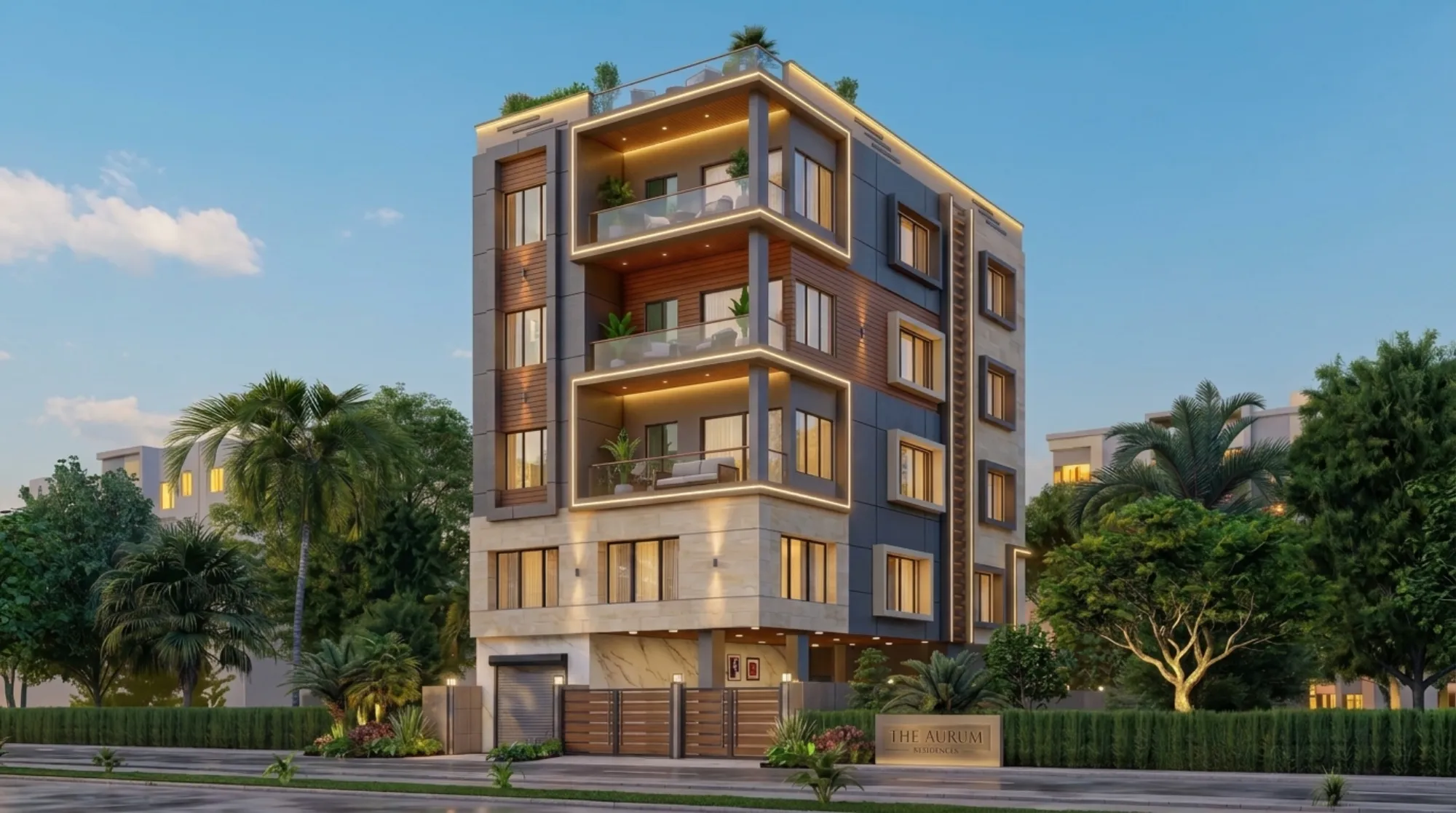
A lot of what makes a puja refresh go smoothly has nothing to do with taste and everything to do with knowing the building you are working in before you walk in with a measuring tape. New Town societies, whether in Action Area 1, 2 or 3, tend to have their own house rules on work timings, material lift access, and how much notice the facilities office wants before a vendor's team can start civil work in a flat, and a designer who has delivered inside a dozen towers in the neighbourhood already knows which societies want a written NOC before drilling starts and which will hold up a delivery truck at the gate if the paperwork is not sorted the day before. We have built 330-plus buildings across Kolkata, New Town and Salt Lake since we opened in 2014, and a meaningful share of that work sits inside New Town itself, in towers along Action Area 1 and 2 where we know the floor plans, the standard ceiling heights, and the electrical layouts that most builders used, which shaves real days off a compressed schedule because we are not discovering the building's quirks for the first time on your clock. Our G4 apartment building work in Action Area 2 is a fair example of the kind of local familiarity we mean, the kind that comes from having stood in a dozen flats on the same floor plate rather than reading about the area online.
Freelancer, Contractor, Or Firm: An Honest Breakdown
We would be lying if we said there was only one right way to get a puja refresh done, because plenty of families have had perfectly good outcomes hiring a freelance designer or going straight to a contractor, and the honest answer is that which route works depends on how much of the coordination you are willing to carry yourself. A freelancer is usually cheaper on paper and can be genuinely talented, but they are typically one person juggling your job alongside two or three others, and when a puja deadline gets tight, a solo operator does not have a second team to throw at the problem, they just work later hours or slip the date. A contractor who skips the design layer altogether can move fast on execution but tends to default to whatever finishes are quickest to source, so you save time and lose the design intent that is the whole point of a "refresh" rather than a repaint. A studio, at its best, sits in between, carrying both the architect-trained design judgment and a standing execution team that does not evaporate the moment a deadline gets stressful.
| Freelancer | Studio Contour Approach |
|---|---|
| Lower base cost, but one person's bandwidth caps how fast delays get absorbed | Design + execution team, so a material delay on one item does not stall the whole job |
| Design taste varies job to job with no institutional track record | 330+ delivered buildings since 2014 as a verifiable, repeatable process |
| Scheduling flexes around one person's other clients | Dedicated puja-season slots planned from July so your timeline does not compete with five other jobs |
| Vendor relationships are personal and may lapse | Standing supplier relationships built over a decade, useful when lead times get tight |
That said, we are not going to pretend a firm is automatically the right call for every job, if the ask is genuinely small, say repainting one room and swapping a light fixture, a good local contractor might be all you need and paying for a full design engagement would be overkill. Where a firm earns its fee is when the refresh touches multiple rooms, involves custom furniture pieces, or needs the kind of sequencing across trades that falls apart without one team owning the whole calendar, which is most of what a real puja refresh actually is once you scope it honestly. Our guide on hiring an interior designer in New Town walks through this decision in more depth if you want the fuller version, and our piece on how to hire an interior designer in New Town Kolkata covers the specific questions worth asking before you sign with anyone, us included, while our rundown of red flags when hiring an interior designer in New Town is worth a read before any deadline pressure talks you into skipping it.
What 330+ Buildings Since 2014 Actually Buys You
The number matters less as a marketing line and more as evidence of a specific kind of pattern recognition that only comes from repetition, because after delivering that many residential projects across Kolkata, New Town and Salt Lake, we have a fairly precise sense of what goes wrong in a compressed timeline and where. We know which modular kitchen vendors hold their quoted lead times and which quietly slip by two weeks in festival season when demand spikes citywide, and if a puja refresh includes a kitchen touch-up our team orders from the ones with the track record, not the ones with the lowest quote. We know that a lot of New Town flats were handed over with a builder-grade false ceiling that was never meant to be final, and that redoing it properly, with the right cove detailing and a lighting plan that actually flatters the room in the evening when guests are over, is often the single highest-impact change inside a modest budget. And having worked under NKDA jurisdiction rules for over a decade, we also know when a refresh is edging toward something that technically needs a fresh look at the building's sanctioned plan, which matters more than people expect if the refresh involves anything structural like moving a wall or altering a balcony enclosure, a distinction our guide to NKDA building rules in New Town covers if that question comes up for your flat. Most puja refreshes never touch that territory, but knowing the line is part of what a decade in one neighbourhood actually buys a client, versus a vendor who has never had to ask the question.
- Confirm your society's NOC and work-timing rules before booking any vendor
- Lock the design and material list in week one, not week three
- Prioritise the rooms guests will actually see and use
- Ask any vendor for their standing supplier list, not just a quote
- Build in a two-week buffer before Panchami for snagging and touch-ups
None of this is about avoiding honest limits either, a genuinely last-minute call four weeks out from the festival is going to get a smaller, tighter scope from us than one that comes in during July, and we would rather tell a client that upfront than promise a full room redo we cannot actually deliver clean. If timelines are truly tight, we would rather do a smaller, sharper refresh done right than a large scope rushed into something that needs fixing again by Diwali, and that kind of restraint is honestly a bigger part of what 330-plus buildings has taught us than any single design trick.
We have a handful of puja-season slots left this year, and the honest math is that the earlier you lock a scope with us, the more of that 8 to 12 week window is actually available to protect quality rather than just chase a date. If a puja season home refresh interior designer New Town families can rely on is what you are looking for, look at our past work across the neighbourhood and then get in touch so we can walk your flat, confirm what fits inside your timeline honestly, and start the design-freeze conversation before the calendar makes that decision for you.