








How to Get HIDCO Permission for Transfer, Mortgage or Sale in New Town
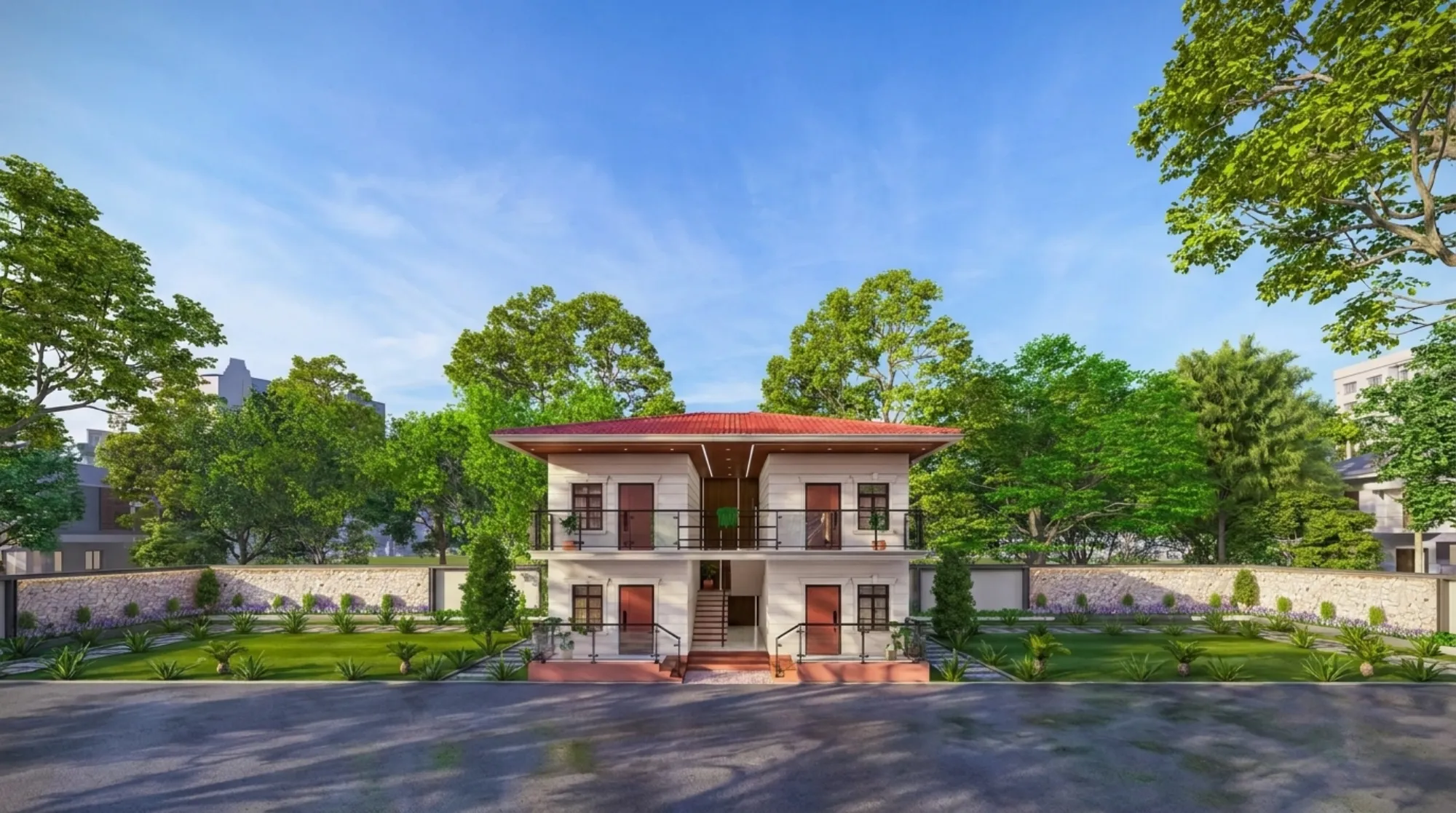
If you own a plot or a built house in New Town and you're trying to sell it, mortgage it against a bank loan, or transfer it to a family member, you've probably already discovered that this isn't a straightforward registration-office job the way it might be in an older part of the city. New Town was planned and allotted by HIDCO, the New Town Kolkata Development Authority, and a large share of the land here was originally leased or allotted rather than sold outright freehold, which means the authority retains a say in what happens to that land afterward, right down to who it passes to and under what conditions.
We've been designing and building in New Town since 2014, and in that time we've sat across the table with more homeowners than we can count who assumed the sale or mortgage would move at the same pace as their loan approval or their buyer's patience, and then got stalled for weeks because nobody had started the HIDCO paperwork early enough. So this piece is basically a field guide: what HIDCO permission actually is, when you need it, what the process tends to look like, and where owners most commonly lose time. We're an architecture and interior design studio first, not a legal firm, so treat this as a practical map rather than a substitute for your lawyer or HIDCO's own current circulars, since fees, formats, and timelines do get revised and you should always confirm the latest figures directly with the authority before you act on them.
Why HIDCO Has a Say in Your Property Transaction at All
The core issue is how land in New Town was originally handed out. Much of it came to owners through lease-cum-sale agreements or allotment letters from HIDCO rather than a plain freehold conveyance, and the terms of that original allotment typically carry conditions on transfer, sale, sub-division, mortgage, and even the use of the plot. Until the lease converts fully into freehold and the conveyance deed is registered in the owner's name, HIDCO effectively remains a party of interest in what happens to that land, which is why banks won't process a mortgage and a buyer's lawyer won't clear a sale without a no-objection or permission from HIDCO sitting in the file. This is a direct extension of the same zoning and land-use control that shaped New Town's building code from the outset, and it's worth reading alongside our guide on NKDA mutation and property assessment in New Town if mutation hasn't happened yet on your plot, because a transfer NOC and a mutation update are often needed in the same window.
When You Actually Need HIDCO Permission
The honest answer is more often than owners expect, and the specific trigger depends on what you're doing with the property. A straight sale of a leasehold plot or house almost always needs HIDCO clearance before the sale deed can be registered, since the sub-registrar's office will typically ask for it as part of the document set. A mortgage works the same way from the bank's side, because no lender wants to hold security over a property where the underlying land rights aren't fully clear, so they'll ask for HIDCO's no-objection before disbursing. A transfer within the family, say from a parent to a child or between siblings after an inheritance, still usually needs the authority's acknowledgment even though no money changes hands, because the allotment record has to be updated to reflect who actually holds the property now. The one thing that tends to catch people off guard is that even a change as simple as adding a co-owner to the title can trigger the same review.
- Confirm whether your plot is leasehold or already converted to freehold
- Pull your original HIDCO allotment letter and any prior NOC correspondence
- Check that property tax and mutation records match the current owner's name
- Get an updated encumbrance certificate before applying
- Line up your bank's mortgage documentation if the transaction involves a loan
- Budget real weeks, not days, for the approval to clear
The Documents and the Process, Roughly
Every transaction is a little different, but the shape of the process tends to be consistent. You start with an application to HIDCO stating the nature of the transaction, whether it's sale, mortgage, gift, or inheritance transfer, along with the original allotment or lease documents, the latest property tax receipts, an encumbrance certificate, identity and address proof for both parties where relevant, and any completion or occupancy documentation for the structure on the plot. HIDCO's internal process then verifies that there are no outstanding dues on the land, no unresolved building violations, and no competing claims on file, before issuing the permission or NOC letter that then goes into the registration or mortgage paperwork. This is also usually the point where any gaps in your original documents required for NKDA building sanction surface, because if the sanctioned plan, the completion certificate, or the as-built structure don't line up cleanly, that mismatch tends to slow the transfer review down rather than the sale itself.
- 01Gather allotment, tax, and encumbrance documents
- 02Submit transfer/mortgage application to HIDCO
- 03Authority verifies dues, violations, and title
- 04NOC or permission letter issued
- 05Proceed to registration or bank disbursal
This is exactly where hiring the right people upfront pays for itself. We've had clients come to us after a bank flagged an unauthorized extension or an unsanctioned mezzanine that was never regularized, and by then the sale is already delayed and the buyer is getting nervous. If your house has additions, alterations, or a completed floor that was never formally closed out with the authority, it's worth getting that regularized before you list the property or apply for the mortgage, not after. Our residential architecture and renovation and remodeling teams handle exactly this kind of after-the-fact documentation work in New Town regularly, pulling the as-built drawings together and coordinating with the empanelled engineer or architect of record so the paperwork actually matches the house.
Where Transfers Commonly Get Stuck
A few patterns come up again and again in our conversations with owners. The first is a mismatch between the mutation record and the current occupant, often because a previous transfer within the family was never formally updated at HIDCO even though everyone locally treats the new owner as the owner. The second is unregularized construction, which we mentioned above, where an extra room, a covered balcony, or a rooftop structure was built without an amendment to the sanctioned plan, and now shows up as a discrepancy the moment someone actually measures the built structure against the file copy. The third, and this one surprises people the most, is outstanding dues on the land itself, sometimes a small unpaid development charge from years back that nobody remembered, sitting quietly on the file until a transfer application forces it into the open.
| Common Snag | What It Usually Means | What Helps |
|---|---|---|
| Mutation mismatch | Ownership records at HIDCO lag behind actual family transfers | File a mutation update alongside the transfer application |
| Unregularized construction | Built area exceeds or differs from the sanctioned plan | Regularize with as-built drawings before applying |
| Pending dues | Old development or maintenance charges left unpaid | Request a dues statement early and clear it upfront |
| Missing completion certificate | Structure was occupied without formal closure | Apply for completion/occupancy documentation first |
Our guide on why building plans get rejected under NKDA covers a lot of the same root causes from the sanction side, and it's genuinely useful reading even if you're not building anything new right now, because the reasons plans get rejected at the front end are usually the same reasons transfers get stuck at the back end. It's also worth reading our piece on action area I versus II versus III building rules if you're not fully sure which zone your plot sits in, since the rules and the relevant HIDCO desk can differ slightly by action area, and knowing which one you're in saves a wasted trip.
What This Means for Timelines and Planning Ahead
At the end of the day, the honest advice is to start the HIDCO piece early and treat it as a parallel track to whatever else is happening, whether that's a buyer's due diligence, a bank's loan processing, or a family settlement. Owners who wait until the buyer's lawyer asks for the NOC almost always end up apologizing for a delay that was entirely avoidable. If you're planning to sell a house that hasn't been touched in a decade, it's also worth thinking about what condition it's actually in, since a tired kitchen or a water-stained bathroom can cost you more in negotiated price than a modest refresh would have cost to fix, and our residential interior design team has walked several New Town owners through exactly that calculation before a sale closes. For a sense of the kind of work we mean, our Plot 214 residence project in New Town shows what a full architectural and interior overhaul looks like end to end, from sanctioned plan through to a livable, sellable home.
There's also a quieter argument for getting your original architect or empanelled engineer's records in order well before you need to sell or mortgage anything. Our difference between hiring an architect and an empanelled engineer for NKDA work explains how the two roles interact on a sanction file, and if your original submission was handled loosely, a HIDCO transfer application is often the moment that loose paperwork finally becomes a problem worth solving properly rather than patching.
We've built our reputation in New Town, Kolkata over more than a decade of exactly this kind of work, the unglamorous but essential coordination between design, documentation, and the authority that governs the plot, which is really what keeps a project or a transaction moving instead of stuck. If you're staring down a sale, a mortgage application, or a transfer and you're not sure whether your house's paperwork will hold up to HIDCO's scrutiny, or if the property itself needs work before it goes to market, it's worth a conversation before you're under deadline pressure from a buyer or a bank. Get in touch with us and we'll walk through your specific plot, allotment status, and structure, and tell you plainly what needs fixing and what doesn't, the same way we've done for owners across New Town and Salt Lake since 2014.