








Signing a Commercial Lease in Salt Lake Sector V: The Fit-Out Clauses to Negotiate First
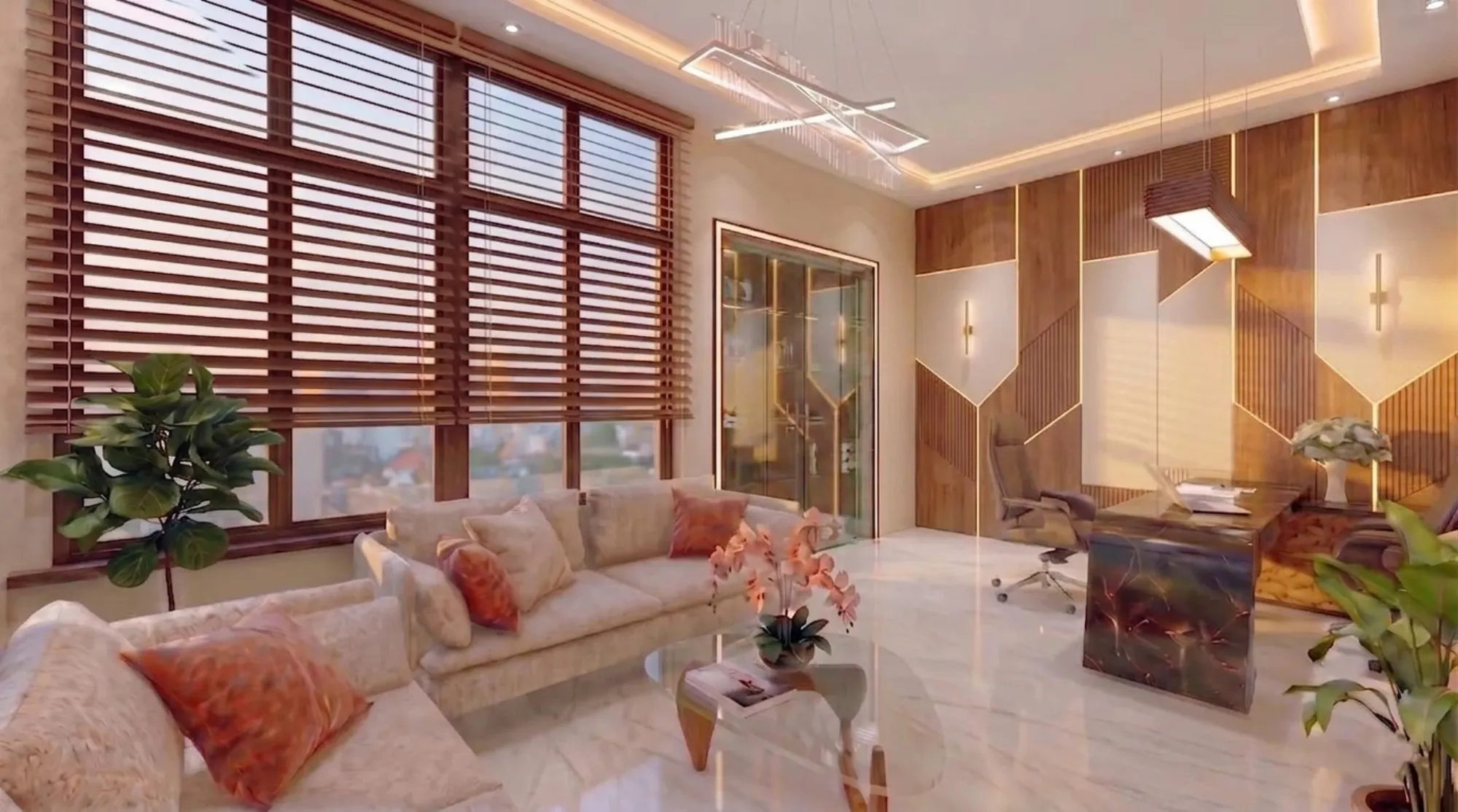
If you have ever walked into a Sector V office space with the landlord's broker standing behind you, pointing at bare shell walls and a slab ceiling and saying "you can do whatever you want here," you already know the trap. What he means is you can do whatever you want at your own cost, on your own timeline, and mostly you will find out what you cannot do only after you have signed and your fit-out contractor is three weeks into demolition. We have sat across the table from enough Salt Lake and New Town commercial tenants, at various stages of regret, to know that the lease itself decides how much your interior fit-out is going to cost, how long it takes, and whether you get any of it back when the lease ends.
This piece is written for the founder, HR head, or admin manager who is about to sign a commercial lease in Sector V, Salt Lake, or the surrounding IT and business districts, and who is treating the fit-out as a step-two problem to be handled after the paperwork is done. It is not. The fit-out clauses are paperwork, and negotiating them first, before the lease is finalized, is the difference between a smooth 8-12 week interior build and a six-month fight with your landlord's facility manager over who pays for what. We have delivered 330+ buildings since 2014, a good number of them commercial interiors in and around Salt Lake and New Town, and the pattern is consistent: the tenants who involved a designer or architect before signing the lease got better terms, and the ones who signed first and called us after almost always paid more for the same result.
Why the fit-out clause matters more than the headline rent
Everyone negotiates the rent per square foot, the lock-in period, and the escalation clause hard, because those numbers are easy to compare across properties. Fit-out terms get glossed over because they read like boilerplate, and the broker will tell you it is "standard across Sector V," which is true only in the sense that most landlords use similar templates, not that the terms are fixed. At the end of the day a commercial lease in a Sector V IT park or a Salt Lake block building is really two contracts stitched together, one for the space and one for what you are allowed to do to the space, and the second one is where the real cost sits. A rent-free fit-out period that is too short forces you to rush a build that should take eight to twelve weeks into five, which means night shifts, higher labour rates, and a contractor cutting corners on things like waterproofing and electrical routing that nobody notices until the first monsoon.
The clauses to actually negotiate before you sign
We tell every commercial client the same thing before we start a commercial interior design engagement in Sector V: come to us with the draft lease before you sign it, not after, because there are five or six clauses that are genuinely negotiable and almost nobody asks for them because the standard draft looks final. The landlord's side expects pushback on rent and lock-in, and is usually far more willing to move on fit-out terms than tenants assume, simply because it costs the landlord nothing to extend a fit-out period or clarify a service load allowance in writing.
- Rent-free fit-out period length, and whether it starts from possession or design sign-off
- Permitted structural changes, especially cutting or coring the slab for services
- Electrical load allocation per square foot, in writing, not verbally promised
- Ceiling void height and what services (sprinklers, ducting, cabling) already occupy it
- HVAC tonnage available to your floor plate and who controls the chiller schedule
- Signage rights on the building facade and lobby directory
- Reinstatement obligations at lease end, and whether landlord fixtures can be retained
- Sub-metering for power, so your fit-out's higher AC and server loads don't get averaged into common costs
The reinstatement clause deserves particular attention because it is the one tenants forget entirely until the lease is ending. Most Sector V leases require you to hand back the space in original condition, which sounds fair until you realise "original condition" includes ripping out the false ceiling, the partitions, the flooring you paid for, and the cabling infrastructure, none of which the landlord wants back and none of which you can resell. Negotiating a clause that lets the landlord elect to retain fixed improvements, or that caps your reinstatement liability to structural changes only, can save a genuinely large number on the way out, and it costs you nothing to ask for it on the way in.
| Standard lease clause | Negotiated clause |
|---|---|
| Rent-free fit-out: 30 days from possession | Rent-free fit-out: 45-60 days, clock starts from design approval |
| Reinstatement: full strip-out to bare shell | Reinstatement: landlord's option to retain fixed improvements |
| Electrical load: "as per building standard" | Electrical load: specific kW per sq ft, in writing |
| Structural changes: not permitted | Structural changes: pre-approved list for MEP routing only |
Ceiling void, services, and where Bidhannagar norms still apply inside a leased shell
Sector V buildings vary a lot in how much usable ceiling void they give you, and this is a technical detail most tenants never think to ask about until the fit-out designer measures the site and finds sixteen inches of clearance already crowded with sprinkler mains, fire alarm conduit, and the previous tenant's abandoned cable trays. A false ceiling needs enough void to route your own lighting, HVAC ducting, and data cabling without conflicting with what is already there, and if the building's core services eat most of that void, you are negotiating for a lower finished ceiling height than you expected, which changes everything from lighting layout to how the space feels once it is occupied. Get the actual void dimension and existing service drawings from the landlord before finalizing your false ceiling and lighting design, not after.
Even though you are fitting out a leased shell rather than constructing a building, some rules under Bidhannagar's jurisdiction still reach into what you can do inside, particularly around fire exits, occupancy load, and any change that affects the building's structural or life-safety systems. We'd point commercial tenants to our broader guide on Bidhannagar building rules for Salt Lake if you want the fuller picture, and to confirm current specifics directly with the authority since fire and occupancy norms do get revised. If your fit-out plan involves any change to partition walls near a fire escape route, or an increase in occupant density from what the building was originally certified for, that approval sits with the landlord and sometimes with Bidhannagar directly, and it is far easier to fold into the lease negotiation than to discover it mid-build.
Acoustics, branding, and the parts of the fit-out that actually affect how the business runs day to day
A lot of Sector V leasing decisions get made purely on rent and location, and the fit-out gets treated as a cosmetic afterthought, which is a mistake for any business running an open floor plan with client-facing zones, because architectural acoustics in an open plan office is one of the most common regrets we hear about after the fact, when the client realises every call in the open seating area is audible three rows over. If your Sector V lease includes shared HVAC or a fixed ceiling void, work out acoustic treatment as part of the fit-out plan before construction starts, not as a retrofit afterward when it costs twice as much to open the ceiling back up. We've written more specifically about this in our piece on acoustic design for open-plan offices in Kolkata, and it applies just as much to a Sector V tech floor as it does to a client-facing office elsewhere in the city.
If your business has a walk-in or client-facing component, whether that's a branch office, a demo floor, or a reception area meant to build trust with visitors on day one, the same principle we cover in designing for trust in a bank branch interior applies broadly, the finishing and layout decisions in the first ten feet of your space do more work than most people budget for. And whatever the layout ends up being, walking a landlord or your own leadership team through a 3D visualization before construction starts avoids the expensive surprise of a finished space that doesn't match what anyone pictured.
- 01Lease draft reviewed with designer before signing
- 02Fit-out clauses negotiated and locked in writing
- 03Design and drawings finalized before possession
- 04Fit-out construction, typically 8-12 weeks
- 05Handover and, eventually, reinstatement planning for lease end
Getting the timeline and the money to actually line up
The single biggest cause of Sector V fit-out cost overruns we see is sequencing, specifically a tenant who signs the lease, takes possession, and only then starts the design process, which means the rent-free fit-out period is ticking away while drawings are still being finalized. The fix is straightforward and it is the whole point of this article, get your interior designer or architect involved while the lease is still a draft, so the fit-out clauses get negotiated with actual construction knowledge behind them rather than a broker's boilerplate assurance. We've also written a general breakdown of architect fees in Salt Lake if budgeting for that upfront involvement is the thing holding you back, and the short version is that the fee is small relative to what a badly negotiated fit-out clause costs you later.
| Party | |||
|---|---|---|---|
| What they should review before signing | |||
| You (tenant) | Fit-out period length and start trigger; reinstatement terms | ||
| Landlord | Building service capacity vs your load requirements | ||
| Designer/architect | Ceiling void | structural constraints | MEP routing feasibility |
| Broker | Market comparables | but rarely the technical fit-out detail |
We have worked on commercial interiors across Salt Lake, New Town, and the Sector V and Salt Lake corridor since 2014, and one of our own commercial fit-outs is documented in our commercial building project portfolio piece if you want to see how a shell-and-core lease space actually turns into a working office. If you are still at the draft-lease stage on a Sector V commercial space, get in touch with us before you sign, we can walk your lease document alongside you, flag the clauses worth pushing back on, and start the design conversation early enough that your rent-free fit-out period actually gets used for building instead of catching up. Reach out through our contact page and we'll set up a time to look at where you are in the process.