






Furnished vs Unfurnished Rentals in New Town: Which Earns More Per Year?
If you own a flat or an independent floor in New Town and you're weighing whether to rent it out furnished or bare, you've probably already heard two contradictory pieces of advice from two different brokers. One tells you furnished units in Action Area I and II pull 20-30% more rent and never sit vacant. The other tells you furniture depreciates, tenants damage it, and you're better off handing over bare walls and letting the renter deal with their own sofa. Both are right, sometimes, and the honest answer depends on which pocket of New Town you're in, who your likely tenant is, and whether you're optimizing for yearly rent or five-year return.
We get asked this constantly, because a good chunk of our residential work in New Town and Salt Lake starts with an owner who built or renovated a flat, lived in it for a while, and is now weighing a rental strategy before they let it sit empty or hand it to a broker with no real plan. This piece is the version of that conversation we'd have with you over a site visit, with actual numbers, actual trade-offs, and no vague talk about "ROI" without showing the math.
We'll walk through what furnished actually costs to set up properly, what unfurnished saves you on and where it loses you money, who's actually renting in New Town right now and what they want, and how the decision changes depending on whether your unit sits in Action Area I, II, or III, near Eco Park, or closer to Sector V for the Salt Lake crowd. By the end you should be able to run your own numbers rather than trust whatever a broker tells you to make a faster deal.
Who is actually renting in New Town, and why it matters more than the furniture question
New Town's rental demand splits into two very different tenant pools, and the split matters more than most owners realize before they commit to a furnishing strategy. The first is corporate and IT-adjacent tenants working near Action Area II and the Sector V corridor, often on relocation packages or short postings of six to eighteen months, who want to move in with a suitcase and start working the next morning. The second is longer-settled families, often buying time before their own flat is ready or relocating from south Kolkata for schools near Action Area I, who are furnishing their own life anyway and would rather bring their own beds, wardrobes, and kitchen setup.
The first group pays a real premium for furnished, because their alternative is a serviced apartment at nearly double the monthly cost, and a well-fitted 2BHK with a functional kitchen work triangle, decent lighting, and a washing machine already installed saves them weeks of running around Sector V furniture markets. The second group actively prefers unfurnished, because they don't want to pay a premium for furniture they'll never use and then negotiate its removal six months in. Get this segmentation wrong and you'll furnish a unit for a tenant profile that never shows up in your building.
The real cost of furnishing right, not furnishing cheap
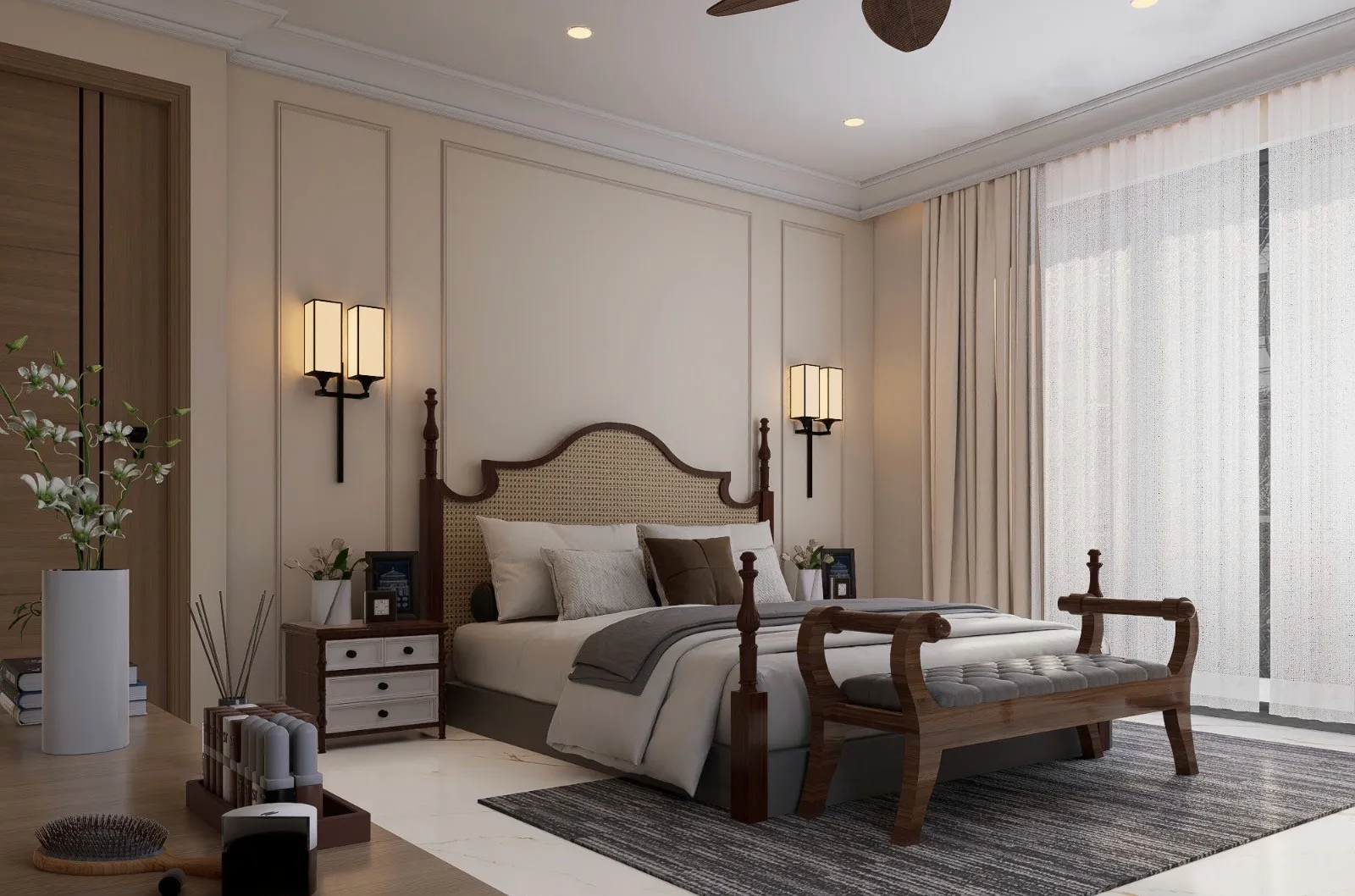
This is where most owners underestimate the number, because they price a Sector V or Rajarhat furniture-mart bedroom set at face value and forget everything around it. A furnished unit that actually commands premium rent needs decent cabinetry in the kitchen and wardrobes, not knock-down units that swell and warp in a single Kolkata monsoon, sound plywood carcasses rather than particleboard, a proper wardrobe and bed set per bedroom, basic appliances, and lighting that doesn't look like an afterthought. Do it cheap and you'll be replacing swollen shutters and rusted hardware within eighteen months, which eats the entire rent premium you were chasing.
Our own experience across 330+ buildings delivered since 2014, a good number of them in New Town and Salt Lake, tells us the break-even math almost always comes down to occupancy consistency rather than the headline rent number. A furnished unit renting at a 25% premium but sitting vacant for two extra months a year because your tenant pool is thin will underperform a plainer unfurnished unit that turns over instantly because half of New Town's rental demand wants to bring their own things. The furniture spend only pays for itself if you've actually confirmed who's renting in your specific pocket first.
| Furnished | Unfurnished |
|---|---|
| Higher monthly rent, 20-30% premium in corporate zones | Lower monthly rent, but wider tenant pool |
| Attracts short-stay corporate and relocation tenants | Attracts families and long-term settlers |
| Furniture depreciation and repair cost sits with owner | No furniture capex, tenant handles their own setup |
| Faster turnover risk if corporate demand dips | Slower to let but tenant tends to stay longer |
| Needs periodic refresh every 3-4 years to stay competitive | Needs almost no ongoing owner intervention |
The other cost people forget is waterproofing and moisture management around anything wooden, because New Town's humidity and monsoon runoff will find every gap in a poorly sealed wardrobe base or kitchen unit within two years. If you're furnishing for rental income, it's worth getting the renovation and remodeling work done properly the first time rather than patching a half-furnished flat every rental cycle, because the ongoing repair calls from tenants cost you more in goodwill and vacancy than the upfront spend would have.
The maintenance math that decides which strategy actually wins per year
Here's the calculation owners skip, and it's the one that actually determines your annual return rather than your monthly rent. Take your furnished premium, subtract annual furniture depreciation (typically 10-15% of furnishing cost per year on decent engineered stone counters and solid wood pieces, faster on cheap laminate), subtract expected repair and replacement calls, and subtract any vacancy gap between tenants since furnished units in a thin corporate market can sit empty longer between postings ending and new ones starting. What's left is your real furnished-versus-unfurnished delta, and for a lot of New Town units it's thinner than the headline rent numbers suggest.
Unfurnished units have almost no ongoing capex beyond structural renovation every several years, so the math there is simpler, right, you're comparing a lower but steadier rent against a higher but noisier one. For owners who want a hands-off asset and don't want tenant calls about a broken washing machine at 11pm, unfurnished in a family-heavy pocket like parts of Action Area I often nets out better per year even at a lower headline rent, purely because there's nothing to depreciate, repair, or argue about at move-out.
What actually decides the answer for your specific flat
The honest answer is that neither option wins universally, it depends on three things: your building's actual tenant pull, whether you can maintain a furnished unit without it becoming a second job, and your holding horizon. If you're near Eco Park, Kolkata or in the newer Action Area II sectors where corporate short-lets dominate, furnished usually wins on paper and in practice. If you're in a more settled family pocket closer to Action Area I or in a condominium-style cooperative building in Salt Lake where tenants tend to stay two-plus years, unfurnished with a solid modular kitchen and good storage often outperforms because you skip the depreciation entirely while still commanding a fair rent for a well-finished space.
- Confirm your building's actual tenant profile before furnishing
- Price furniture in solid materials, not knock-down cheap sets
- Budget a refresh cycle into your rent math, not just the upfront spend
- Get moisture and waterproofing right around wooden units before monsoon
- Compare five-year numbers, not just this year's rent
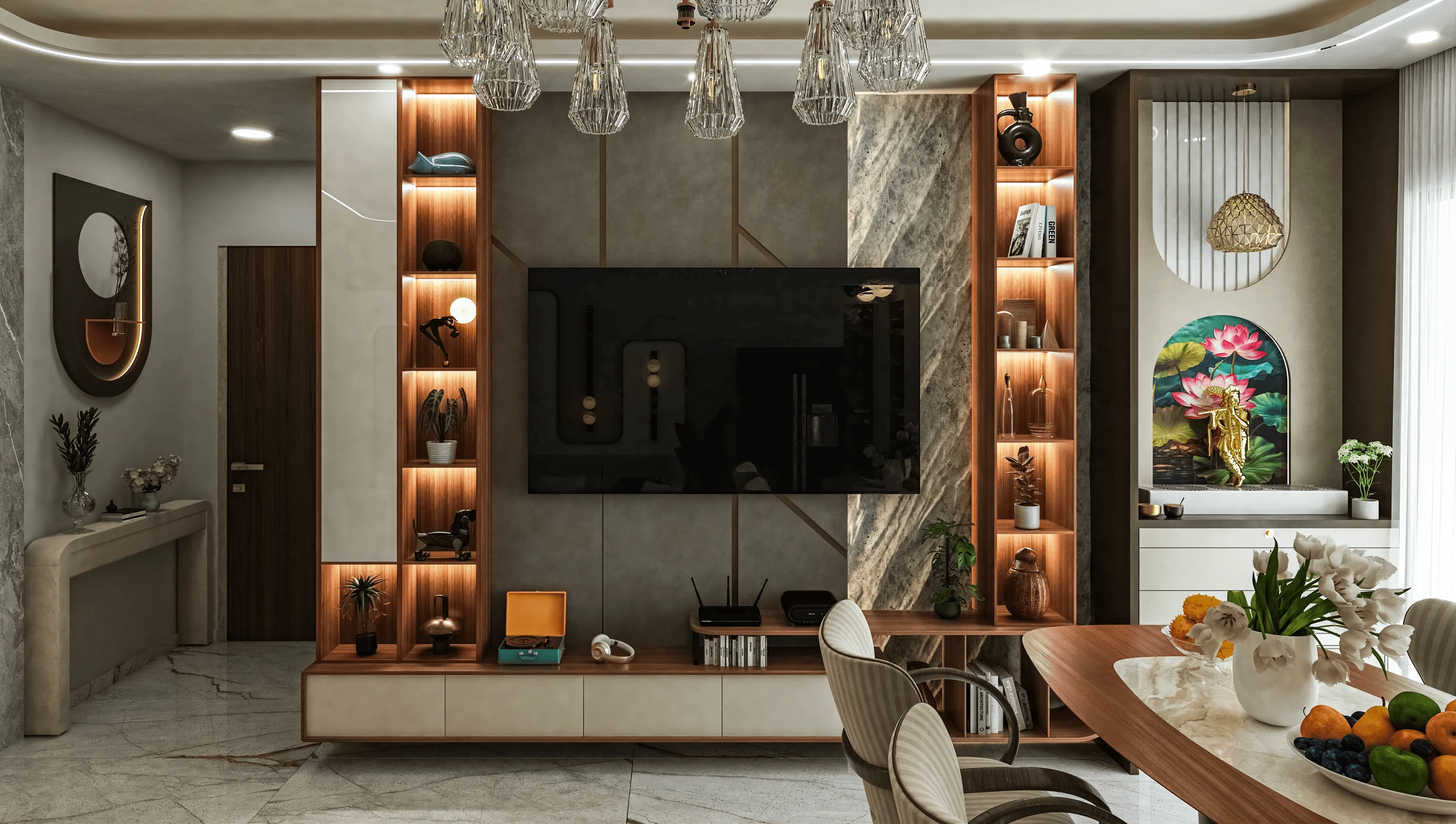
There's a middle path a lot of New Town owners miss too, which is furnishing selectively rather than fully. A well-designed kitchen with proper custom furniture storage and a functional wardrobe setup, without going all-in on sofas, dining sets, and appliances that depreciate fastest, often captures most of the furnished premium while keeping your capex and maintenance load close to unfurnished levels. It's a smaller bet, and for owners who aren't sure which tenant pool they'll land, it's usually the sensible one, since a good 3D visualization walkthrough before you commit will tell you exactly how the space reads to a prospective tenant before a single rupee goes into furniture.
- 01Confirm tenant demand in your pocket
- 02Decide full, partial, or no furnishing
- 03Spec materials for humidity and durability
- 04Fit out with proper waterproofing and storage
- 05Re-evaluate at year 3-4 refresh point
For anyone building or renovating specifically for rental income rather than personal use, it's worth reading through our guide on turnkey home interiors in New Town and our breakdown of what it actually costs to build in New Town before you finalize a furnishing budget, because the two numbers need to be planned together rather than bolted on after the fact. We've also written more specifically on who to hire first, an architect or an interior designer, for a New Town project, which is a question that comes up a lot from owners planning a rental-ready flat from scratch, and on what a bathroom renovation actually costs to break down, since bathrooms are the single most expensive furnish-or-not decision inside any rental unit.
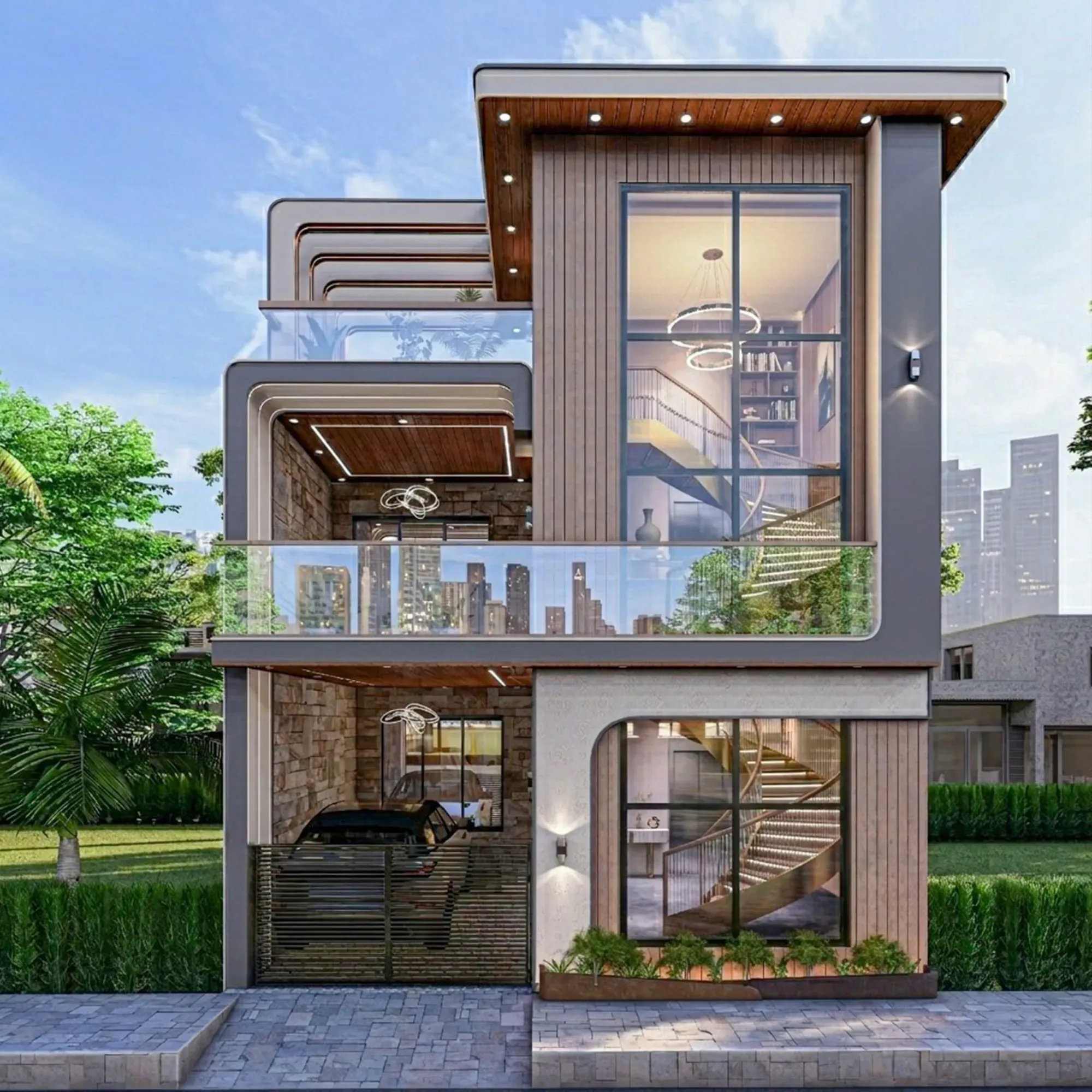
One project of ours that's worth a look if you're weighing this exact decision is our apartment building work in Action Area II, New Town, where the brief was explicitly built around units that needed to read well to renters without over-furnishing every corner, a similar constraint to what most owners in New Town are actually working with.
At the end of the day, this isn't a decision you should make off a broker's gut feel or a neighbor's anecdote about their cousin's flat renting fast. It's a design and materials decision as much as a financial one, because the wrong cabinetry choice or a missed waterproofing detail can quietly erase a year's worth of furnished premium in repair calls. We've been doing this work in New Town and Salt Lake since 2014, across 330-plus buildings, and we're happy to walk your specific unit, look at what's actually renting around your building, and tell you straight whether furnished, unfurnished, or something in between is the better bet for your numbers. If you want that conversation, get in touch with us and we'll take it from there.