






Studio Contour vs an Interior Decorator Without an Architecture Background
If you are furnishing a New Town flat or finishing a Rajarhat duplex, the choice in front of you is usually framed as a budget question, decorator or architect, and that framing hides the thing that actually decides your outcome. A decorator is engaged to make rooms look and feel right, and many of them are genuinely good at it, they know fabric, they know finishes, they know which colour holds up under Kolkata light and which one goes muddy by March. An architect is trained and licensed around a different set of problems, load paths, drainage, ventilation, fire access, and what a sanctioning authority will accept on paper, so the two roles overlap in the middle and separate sharply at the edges.
We are Studio Contour, working out of New Town since 2014, with 330+ buildings delivered across New Town, Salt Lake, Rajarhat and greater Kolkata, and we get called in at both ends of this decision, sometimes at the start and sometimes after decorative work has run into something structural. So this is not a page arguing that decorators are bad at their jobs, because that would be dishonest and you would smell it. It is a page about where the boundary of a decorator-only engagement sits, what happens to your project when the work crosses that boundary, and how to tell in advance which side of the line your own brief falls on.
What a decorator without an architecture background genuinely does well
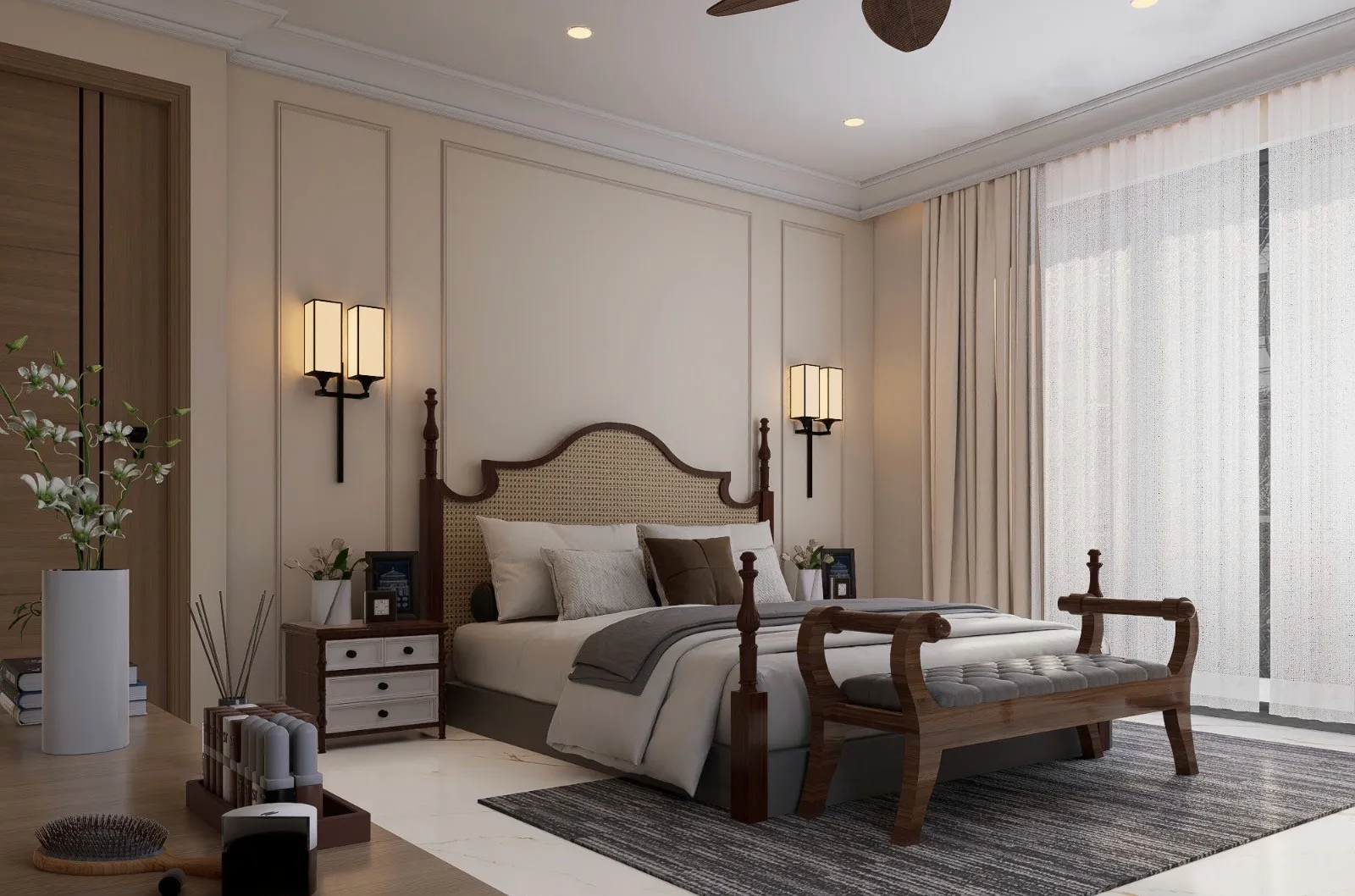
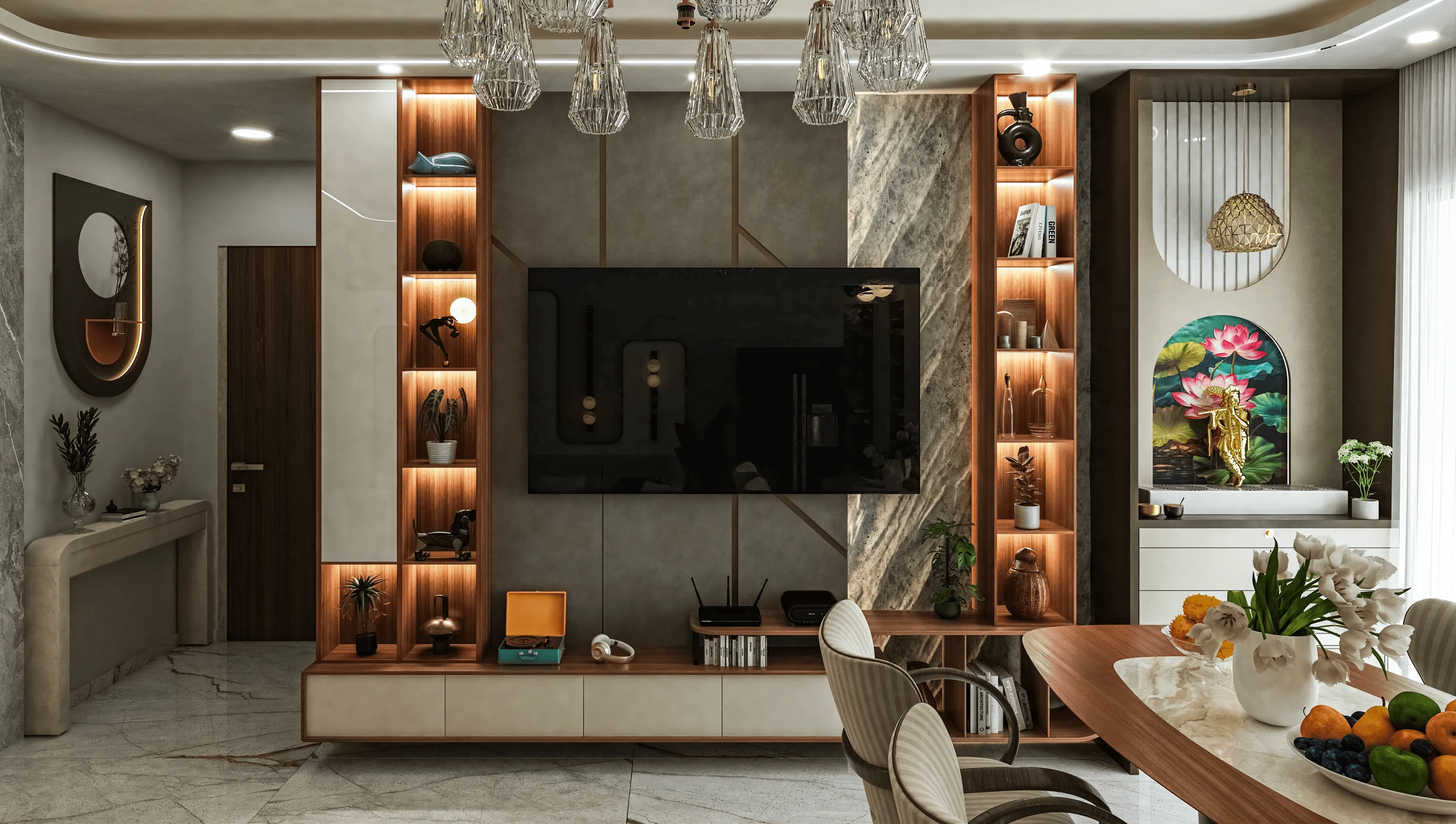
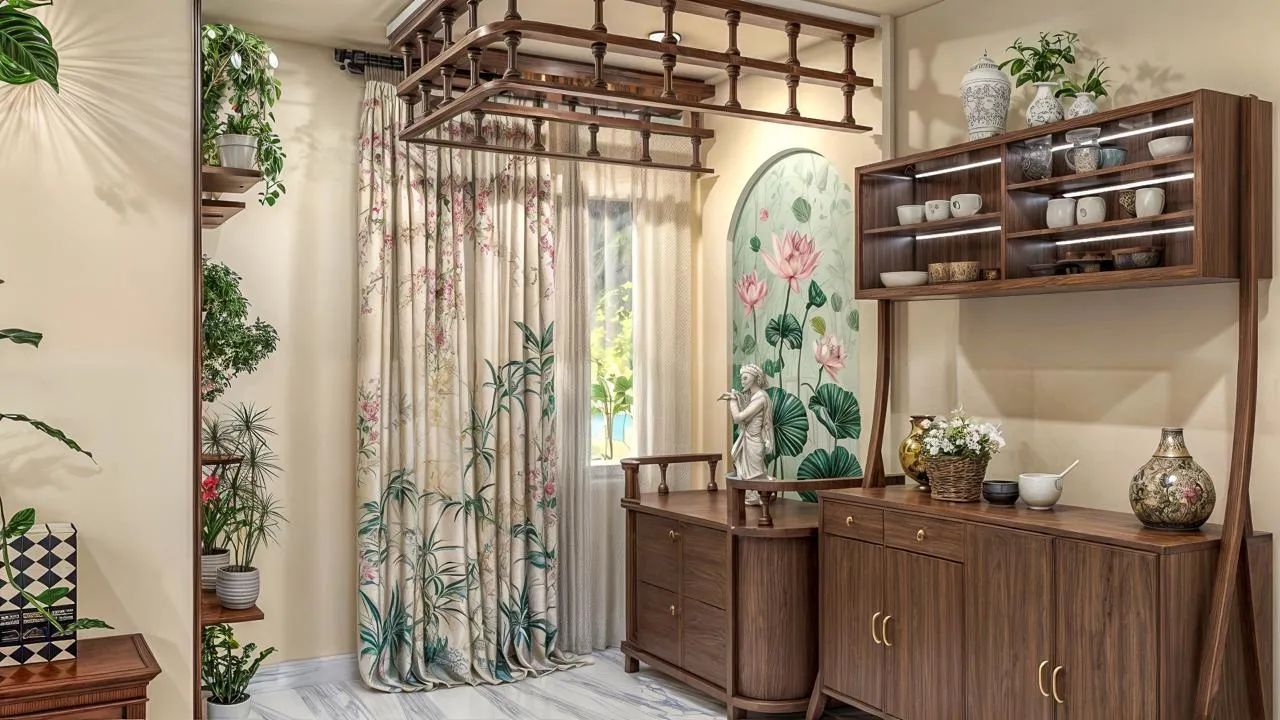
Pure interior design and decoration is a real discipline with real skill in it, and the part a good decorator owns completely is everything that sits on top of a finished shell. Furniture selection and proportion, upholstery, curtains and blinds, rugs, art placement, wall treatments, paint schemes, loose lighting, accessories, styling a room so it photographs well and, more importantly, so it feels calm to sit in at nine in the evening. If your flat is handed over, the walls are where you want them, the plumbing points are where you want them, the electrical layout works, and what you actually need is for the place to stop looking like a builder handover, then a decorator is scoped exactly right for that, and bringing in a full architecture studio would be paying for capability you will not use.
The catch here is that very few Kolkata briefs stay that clean. Once you say the words "can we open this up", or "the kitchen should be on the other side", or "we want a toilet added in the guest room", you have left decoration and entered building work, and the questions change from what does it look like to what is holding this up and whose approval does this need.
Where the boundary actually falls in practice
The line is not aesthetic, it is technical and legal. Anything that touches a structural member, moves a wet area, changes the building envelope, alters the facade, adds covered area, or affects light and ventilation to a habitable room is architecture work, and in New Town, Salt Lake and the KMC wards it is usually also paperwork work. Concepts like floor area ratio govern how much you are permitted to build on your plot, and the permissible figure depends on your plot size, road width, zone and the rules in force on the day, so nobody should be quoting you a multiplier from memory, including us, and you should confirm the applicable number with the relevant authority before you plan around it. Same story with setbacks, fees and timelines, they move.
What we see going wrong is rarely dramatic, it is procedural. A beam gets boxed in instead of being designed around, a wall that was doing work gets thinned, a stack gets shifted without a fall being worked out, or, most commonly, decorative work proceeds on a flat where the underlying change needed sanction, and the problem surfaces much later at completion or resale. None of that means the decorator was careless, it means the scope they were hired for did not include the check that would have caught it, and that is a structural gap in the engagement, not a failure of taste.
| Decorator-only engagement | Studio Contour |
|---|---|
| Scope covers finishes, furniture and styling on an existing shell | Scope covers layout, structure, services, interiors and the sanction route together |
| Structural change usually routed to an outside consultant you appoint | Structural and layout decisions taken in-house before the interior is drawn |
| Sanction drawings typically outside scope | Drawings prepared and taken through the applicable NKDA, KMC or Bidhannagar process |
| Best value when the shell is already right | Best value when the shell itself needs to change |
Curated to your plot and family, not picked off a package list
The part people underrate is that a layout is a response to a specific plot, not a style choice. Which way your longest wall faces, where the neighbouring building casts shade by two in the afternoon, whether your road side is the noisy side, how many people are actually in the house on a Sunday, whether a parent will need a ground floor bedroom in eight years, all of that changes the plan before anyone talks about finishes. So we do not run pre-priced tiers, because a tier is a way of selling the same plan twice, and we scope layout, materials, elevation and budget per project instead. Our residential architecture work starts from the plot and the brief, and the residential interior design is drawn afterwards against a shell we already understand, which is the whole point of keeping them together.
Vastu is a good test of this, actually. Plenty of families in New Town want a Vastu Shastra aligned plan, and treating that as a decorating overlay does not work, because entrance orientation, kitchen position and the master bedroom corner are layout decisions that also have to survive setback and coverage rules on a real plot. Our Vastu-compliant design approach resolves the two at the drawing stage rather than discovering the conflict after the slab is cast, and you can see how that plays out on built work like the Luxe Marble and Gold Drawing Room project in Kolkata.
Who is actually on your project, and for how long
The second difference is continuity, and it is a business-model thing rather than a virtue thing. When design, structure, sanction and execution are held by three or four separate parties, somebody has to coordinate them, and by default that somebody is you, which means you are the one chasing why the false ceiling level fights the beam soffit. Under one roof, that coordination is internal and it happens before it reaches you. Principal architect Sumana Kumar stays attached from the first sketch through sanction and site, so the person who made the original judgement call on your layout is the person answering the site query about it three months later, rather than a context transfer to someone new.
- 01Brief and site study
- 02Layout options against plot constraints
- 03Sanction drawings and submission
- 04Interiors drawn on the approved shell
- 05Site support through execution
- Confirm who signs your structural drawings
- Confirm whether sanction is in scope or your problem
- Confirm who you speak to in month five, not month one
- Confirm the fee proposal itemises drawings, approvals and site visits
- Confirm permissible FAR and setbacks with the authority for your plot
When the decorator is the better call, plainly
If you have a ready flat, no walls are moving, no wet areas are shifting, no facade change is planned, and your budget is better spent on furniture and finishes than on drawings, then hire the decorator, and hire a good one. Rented homes are another clear case, since you want reversible work and no statutory footprint. Single-room refreshes, a child's room, a study, a living room restyle, sit comfortably there too. And if you simply do not need approvals, paying an architecture studio to not use its sanction capability is a poor allocation of your money, and we will tell you that on a call rather than talk you into a bigger scope.
Where it flips is the moment layout, structure or paperwork enters, and if you are unsure which you are dealing with, our guide on the NKDA building plan sanction process in New Town shows what the approval route involves, while architect or interior designer, who to hire first works through the sequencing question directly. For budgeting, architect fees in Kolkata sets out what is normally itemised, and treat any number you read anywhere, including ours, as indicative until it is written against your actual plot and scope.
At the end of the day the honest version is this, decorators and architects are not competing for the same job, they are scoped for different jobs that happen to share a room. Tell us what you are trying to do in plain words, and we will say whether your brief needs us or needs a decorator, and if it is the latter we will say so. If you want that read on your own plot or flat, get in touch with the studio and we will go through it with you before anything is committed.