

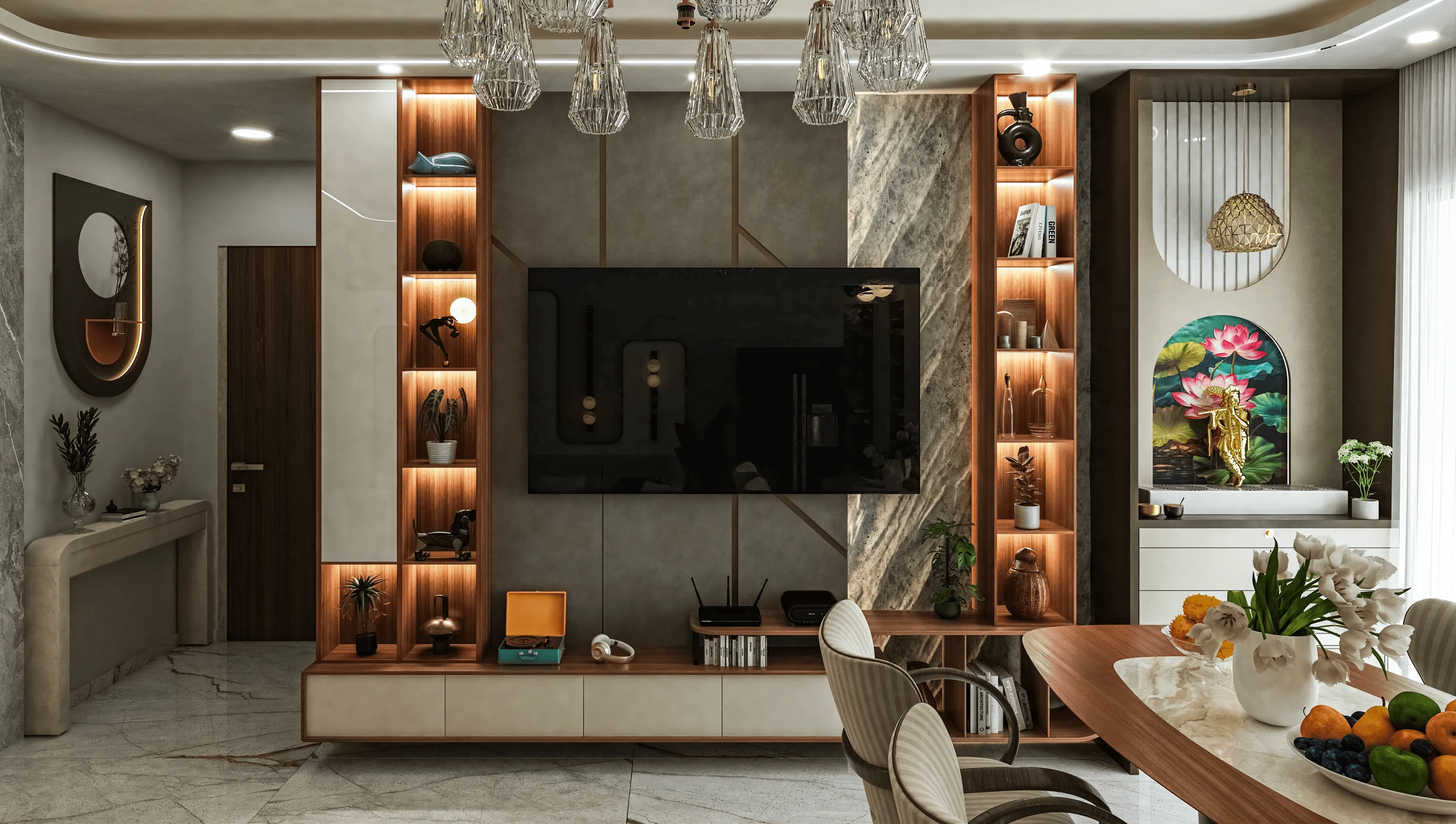






Inside Studio Contour's 330+ Building Portfolio Across New Town and Salt Lake
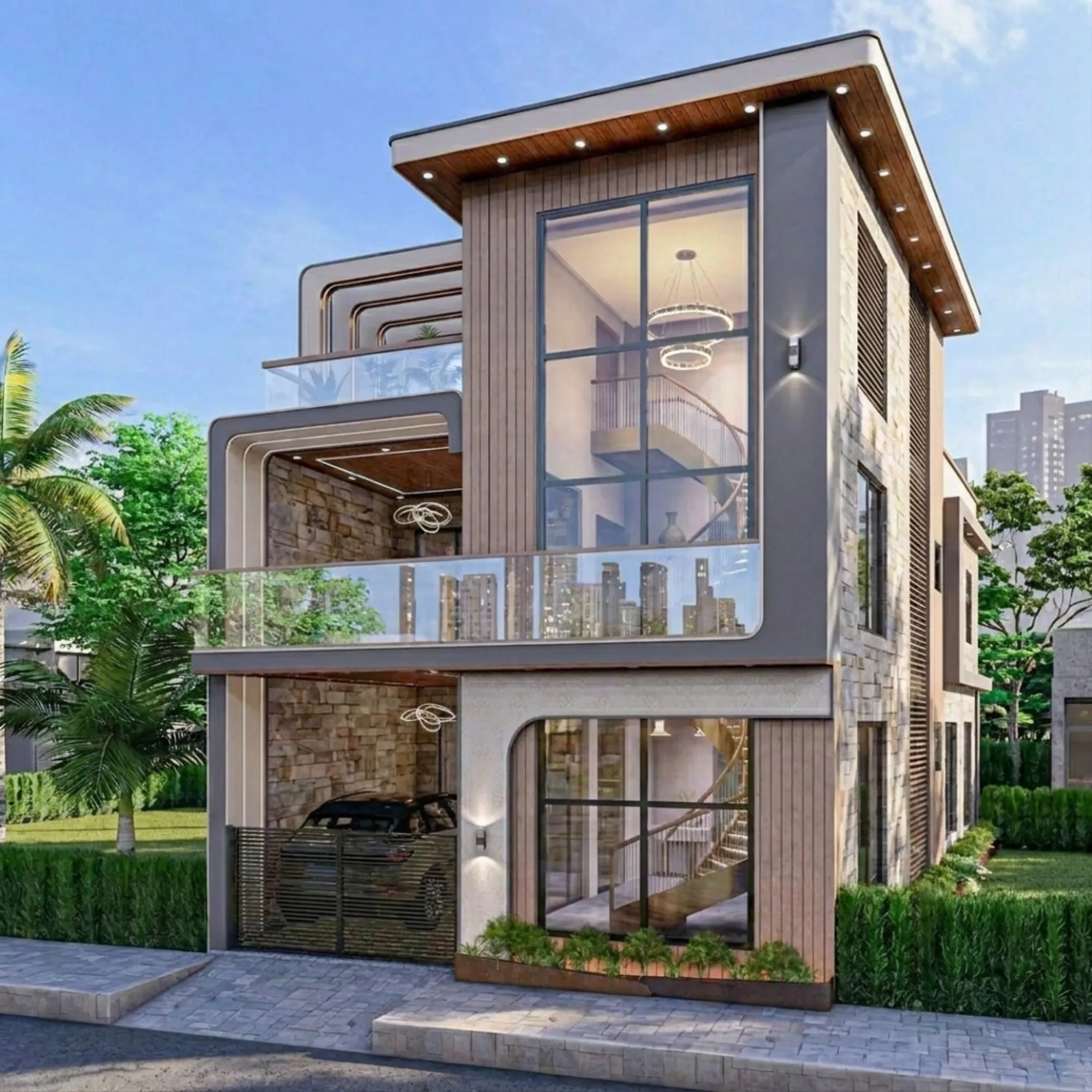
Walk down AC Block in Salt Lake or through Action Area II in New Town on any given week and there's a decent chance the building you're looking at is one of ours, because at this point we've designed and delivered more than 330 of them across these two neighborhoods since 2014, and that number changes what a conversation with us actually looks like compared to a conversation with a studio that has done twelve homes and is hoping this next one goes smoothly. This isn't a portfolio we built by taking one project every few years and calling it a career, it's a working record of houses, duplexes, apartment interiors, and commercial fitouts that we've walked through sanction, construction, and handover, block by block and sector by sector, in two markets that don't actually behave the same way even though they sit fifteen minutes apart on a map.
Why 330+ Buildings Across Two Very Different Markets Actually Matters
New Town and Salt Lake look similar from a distance, both planned, both in the Bidhannagar-NKDA orbit, both popular with the same buyer profile, and that's exactly where a lot of studios get lazy and treat them as interchangeable. They aren't. New Town, Kolkata is a newer township with wide sector roads, plotted Action Area development, and a sanctioning authority in NKDA that has its own quirks around floor area ratio and setbacks depending on which Action Area and plot category you're in. Salt Lake, under Bidhannagar municipal jurisdiction, is an older, denser, more established grid with cooperative housing blocks, narrower plots in places like AC Block and CJ Block, and a different set of renovation and sanction conventions that come from decades of built fabric rather than a masterplan drawn twenty years ago. A studio that only knows one of these markets is guessing in the other, and a lot of the delays we get called in to fix started with exactly that gap.
Our founding year matters here too, because 2014 to 2026 is long enough to have gone through multiple revisions of NKDA building rules, watched Action Area I plots get denser, and seen Salt Lake's older housing stock move from routine repairs into full-scale renovation as buildings cross the thirty and forty year mark. We've read the guide for architects working in New Town and the guide for architects working in Salt Lake not as reference material but as things we could have written ourselves, because we've lived every rule change in real sanction files with real drawing numbers attached.
What Nine Years in New Town and Salt Lake Taught Us About Sanction Rules
Here's the part that actually costs clients money when it goes wrong: sanction. A design that looks great on paper and gets rejected at NKDA or Bidhannagar because of a setback miscalculation or a ground coverage error isn't just a delay, it's weeks of resubmission and, depending on the season, a real dent in the construction timeline. Over 330 buildings, we've built a working memory of what gets rejected and why, and it's rarely the dramatic stuff, it's usually a parking calculation that's off, a floor area ratio pushed a shade too far, or documentation that's incomplete for the plot category. We've written up the full NKDA building plan sanction process because clients ask about it constantly, and we've separately catalogued the most common building violations we see rejected in New Town, and both of those come directly out of files we've personally carried through the process, not secondhand research.
The catch here is that sanction knowledge doesn't transfer cleanly between the two markets, so a firm that's fluent in NKDA rules can still stumble on a Bidhannagar cooperative renovation where the constraints are about existing structure and society bylaws rather than a fresh plot. We keep both playbooks active at the same time because our project load has always run through both markets simultaneously, which is a fairly rare thing for a Kolkata studio our size to say honestly.
Freelancer, Small Studio, or Us: What the Trade-offs Actually Look Like
We think it's worth being straight about this instead of pretending every option other than us is bad, because it isn't that simple. A freelancer architect can be genuinely cheaper for a small, well-defined job, and if you already know exactly what you want and just need drawings, that route can work fine. A small two or three person studio can give you a lot of personal attention and might be hungrier to get your specific project right. What you give up, in both cases, is depth of pattern recognition, meaning the freelancer or small studio simply hasn't seen the failure modes of NKDA sanction on a Category III plot or a Bidhannagar cooperative renovation forty times over, they've maybe seen it two or three times, and that gap shows up as slower resubmissions, underestimated timelines, and design decisions that look fine until the site engineer flags them.
| Feature | Freelancer / Small Studio | Studio Contour |
|---|---|---|
| Portfolio depth in New Town + Salt Lake specifically | Usually thin, often just one market | 330+ buildings across both markets since 2014 |
| Sanction pattern recognition | Learned project by project, on your dime | Nine years of NKDA and Bidhannagar cases already behind us |
| Team continuity if someone leaves mid-project | High risk, single point of failure | Studio structure, not a solo dependency |
| Post-handover support capacity | Limited bandwidth once they move to the next client | Established process for defect and finishing follow-up |
At the end of the day, the honest case for hiring us isn't that everyone else is incompetent, it's that a track record this size across these two specific neighborhoods is genuinely hard to accumulate, and once you have it, the number of surprises on your project drops noticeably.
Inside the Portfolio: The Range of Work Across Both Markets
The 330-plus figure isn't padded with one repeated template stamped across different plots, it covers independent bungalows in Action Area I, mid-rise apartment buildings in Action Area II, duplex homes in New Town's newer sectors, cooperative flat renovations across Salt Lake's older blocks, and commercial interiors in Sector 5 office spaces. We've handled full architecture from plot to handover, and separately we take on interior-only briefs where the shell already exists and the client wants us to rebuild the inside, which is a common request from Salt Lake's older cooperative stock in particular.
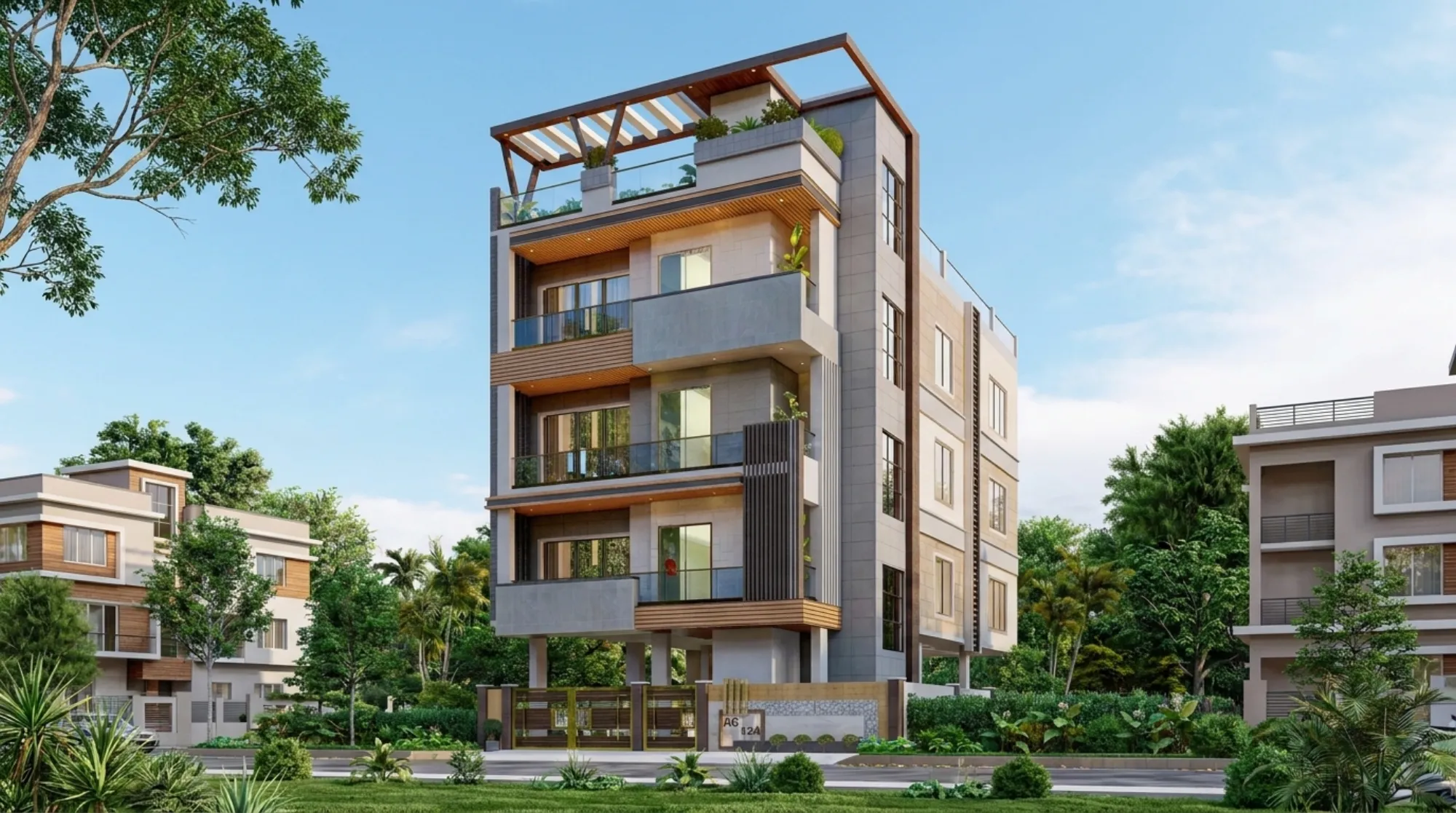
One project worth pointing to directly is the AC Block residence in Salt Lake, which is a good example of the kind of dense-plot, established-neighborhood work that makes up a large share of our Salt Lake portfolio, and if you want to see the fuller range, our complete projects archive has the New Town side of the ledger too, including work in the New Town locality itself across multiple Action Areas. On the architecture side we handle everything from concept through residential architecture delivery, and on the interiors side our residential interior design work covers everything from full apartment fit-outs to individual room renovations, so the client relationship doesn't have to break into two separate vendor conversations, which is a real practical advantage when you're trying to keep one timeline and one point of accountability.
How We Actually Run a Project From Brief to Handover
None of the portfolio size matters if the process behind it is chaotic, so here's roughly how a project actually moves through our studio, because we'd rather show the mechanics than just claim we're organized.
- 01Site visit, brief, and budget conversation
- 02Concept design and NKDA or Bidhannagar sanction check
- 03Detailed drawings, structural coordination, and submission
- 04Construction oversight and finishing, typically 8 to 12 weeks for interiors
That 8 to 12 week figure is specifically for interior and finishing-stage work once drawings are locked, full ground-up construction obviously runs longer depending on plot size and structure, and we tell clients that difference upfront rather than quoting one number that only applies to part of the job. We also handle 3D visualization work as a standard part of the concept stage, mainly because a floor plan on paper hides problems that a walkthrough render exposes immediately, and catching a layout issue before construction starts is a lot cheaper than catching it after.
What Three Hundred Thirty Buildings Tell You About Risk
The honest reason a track record like ours reduces risk is boring but true, it just means we've already made the small mistakes on someone else's project years ago and adjusted the process, so you're not the one paying for us to learn how NKDA treats a Category II plot or how a Bidhannagar cooperative society handles renovation approvals. If you're evaluating any architecture or interiors partner in this market, right, here's roughly what we'd tell a friend to check before signing anything.
- Ask how many completed projects specifically in New Town or Salt Lake, not just "Kolkata" broadly
- Ask to see at least one project that went through NKDA or Bidhannagar sanction from that studio directly
- Ask what happens if the drawings get rejected on first submission
- Ask who handles the project if your main point of contact is unavailable
- Ask what post-handover support looks like once the final bill is paid
We also get asked constantly about cost, and our breakdown of architect fees in Kolkata walks through how that typically works across a project's lifecycle, and separately our roundup of some of the best apartment developments in New Town is useful context if you're still deciding where to build in the first place rather than what to build.
The Actual Case for Hiring Us
None of this means every project we've done went perfectly on the first drawing, that's not realistic for anyone doing real construction work in a regulated market, but it does mean that when something needs fixing, whether that's a sanction resubmission, a vastu-compliant layout adjustment, or a mid-construction change, we've already built the internal process for handling it because we've handled it before, 330-plus times, in exactly these two neighborhoods. A studio that's newer to this market is running that same learning curve on your project right now, in real time, with your timeline and your budget absorbing the cost of the lessons. We'd rather you didn't have to be that project.
If you're planning to build or renovate in New Town or Salt Lake, get in touch with us and we'll walk through your plot, your budget, and your timeline honestly, including telling you if something you're planning is going to run into a sanction issue before you've spent money finding that out the hard way.